Everyone everywhere in America this fall is seeing health care premiums and medical costs increase.
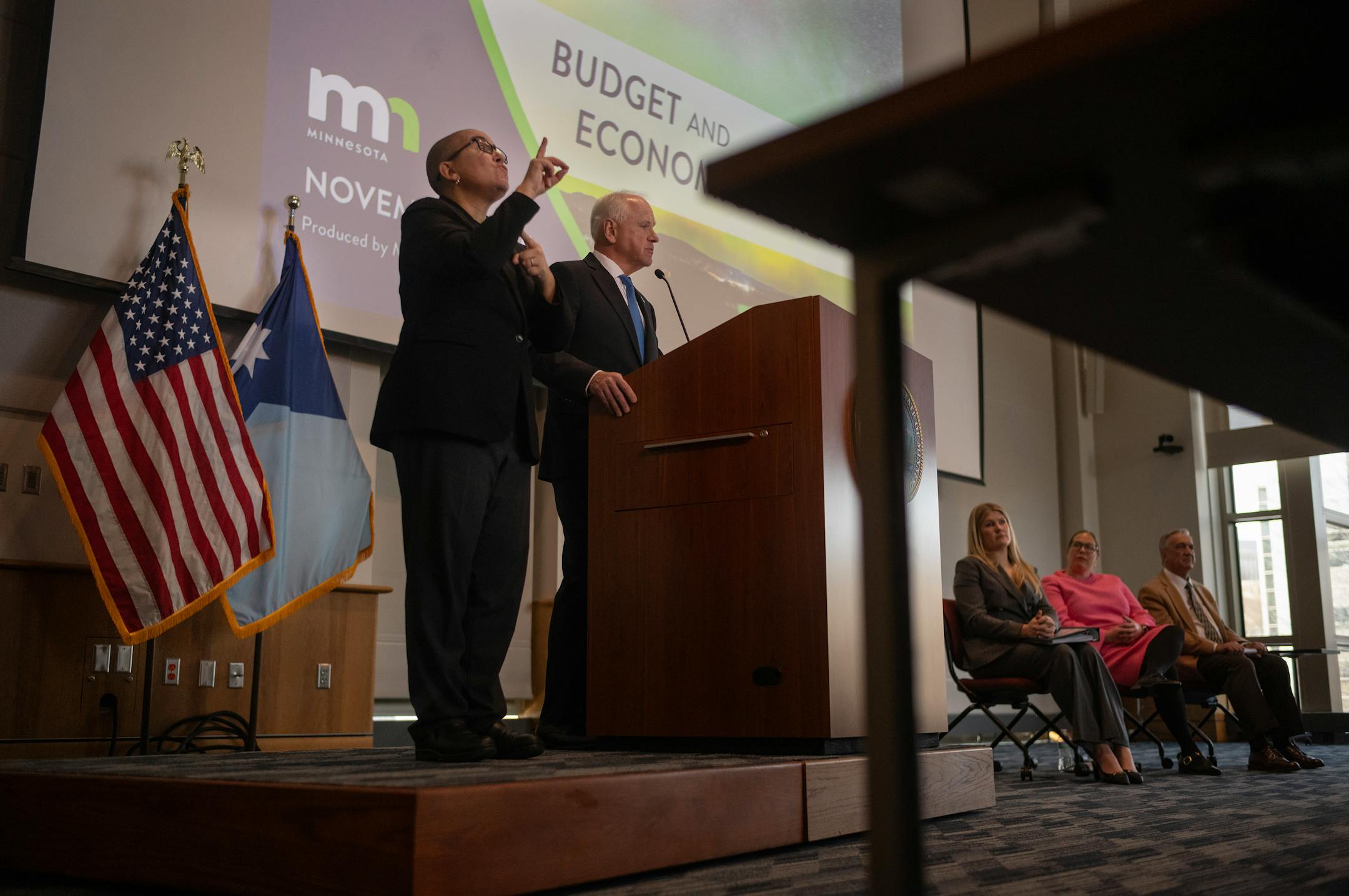
On Thursday, the state government’s budget forecasters said the cost of providing health care and human services to elderly, disabled and other Minnesotans in need is the reason for a shocking 5% jump in expected spending during the two-year budget period that just began in July.
Trouble is, continued revelations of fraud schemes and alleged scams in state-run human services programs are creating room for confusion and doubt about precisely why government spending is rising.
The headline out of the budget announcement was the state can afford the increase in spending; there’s a $2.5 billion surplus for the current 2026-27 biennium. That’s because revenue has also risen faster than expected and some funds carried over from the last budget period.
Down the road, projected spending increases outpace projected revenue gains and carryover funds. Forecasters think there will be a $3 billion deficit for legislators to fix when they write the 2028-29 budget in 2027.
For years, government leaders have been saying health and human services spending would push aside education as the biggest item in Minnesota’s general budget. Thursday’s outlook revealed that day is nearly at hand.
Spending in the 2026-27 period on health and human services is now forecast to be 7.5% more than anticipated when lawmakers finished the budget in June. Education costs are up about 1% since then.
The room for confusion comes from the fact that the jump in health and human services spending since July amounts to $1.8 billion — and some estimates of fraud perpetrated against state human services programs reach as high as $1 billion going back to 2020.