
Minnesota survey shows post-pandemic gains in student mental health

The 2025 statewide survey was first to ask in detail about social media usage, and many students think they have a problem with it.

The Minnesota Star Tribune
December 10, 2025 at 12:00PM
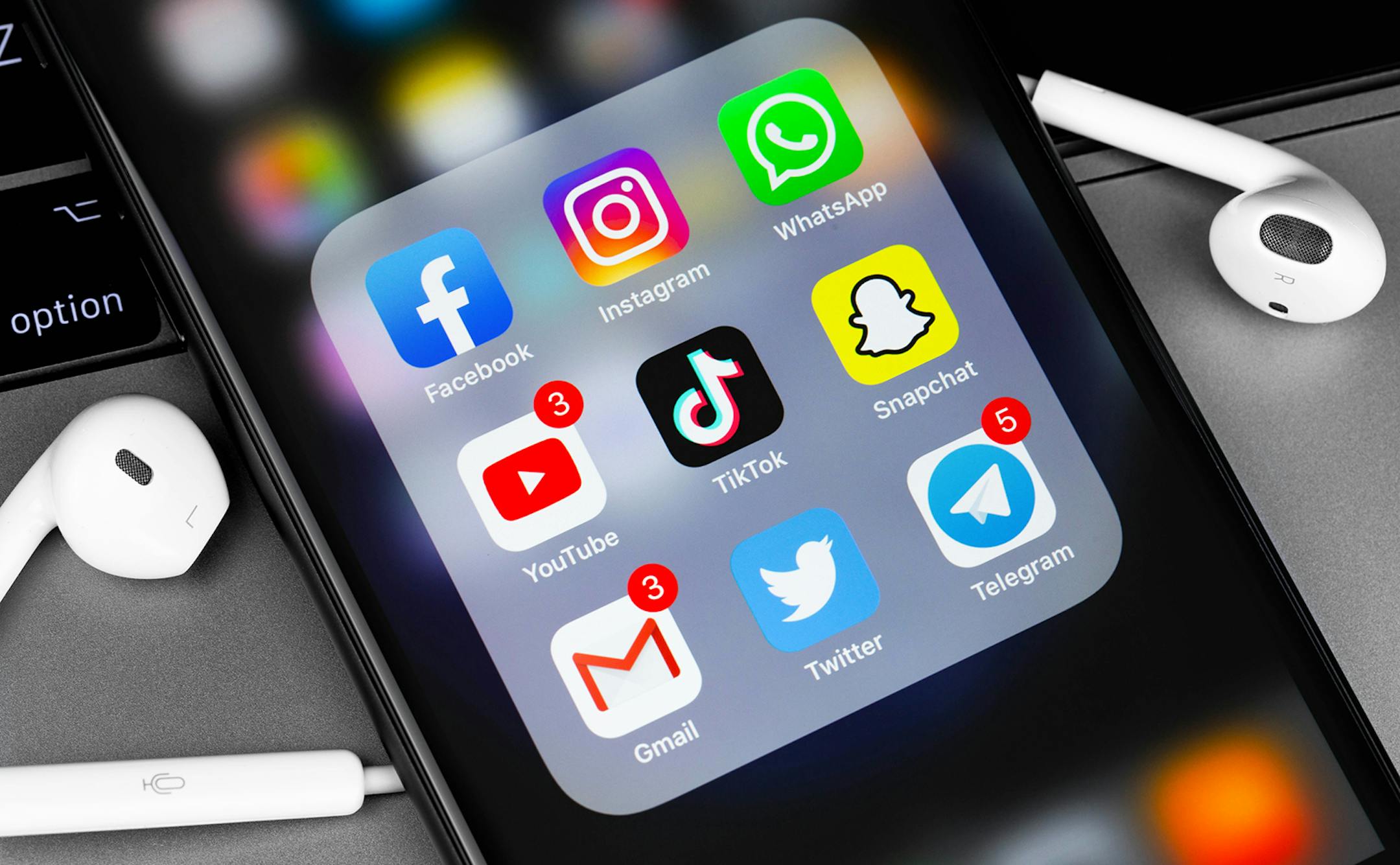
Anxiety among Minnesota teens has declined since the end of the pandemic, even though some teens still report consuming more social media than they think they should, according to the results of the latest survey of more than 100,000 teens in the state. (Dreamstime)

Anxiety has declined since the pandemic among Minnesota teens, who are still using social media even if they think they shouldn’t and consuming more energy drinks to keep up with homework and activities, according to an influential statewide survey.

Public health leaders expressed relief over the results of the 2025 Minnesota Student Survey, after seeing so many trends worsen during the last survey amid the COVID-19 pandemic in 2022.

While 60% of high school juniors reported that they had felt “nervous, anxious or on edge” at least once in the past two weeks, that was an improvement from 70% in 2022 and even from 62% in 2019, according to the survey results. The rate of 11th graders considering suicide was at its lowest in a decade.

“We can build on this momentum,” said Dr. Brooke Cunningham, state health commissioner.

The proportion of high school juniors who drank alcohol within 30 days declined from 23% in 2019 to 10% in 2025, while those who ever had sex declined from 34% to 26% in the same timeframe. Among sexually active juniors, 71% said they discussed pregnancy prevention with every partner.

Drinking and sexual activity have been declining for two decades among students who are busy with work and sports and feeling pressure earlier in their lives to get into good colleges and careers. Even among fifth graders in the survey, 72% reported that they often “think about what I want to do in my life when I grow up.”

The school closures and disruptions during the pandemic were isolating, leaving students to deal with problems on their own, said Ruggi Filice, a sophomore at St. Paul Central High School. He wasn’t surprised that anxiety levels declined, though he said it still can be a challenge when squeezing in homework, friends, social media and after-school sports such as alpine skiing.

“When I’m feeling anxious, I’m feeling like I don’t really know what to do. I have a lot of stuff going on, and I feel just underwater, sort of trapped,” he said. “I try to just do things step by step and sort of make a plan.”

The survey featured responses from 119,689 public school students who were in fifth, eighth, ninth and 11th grades last spring. State Education Commissioner Willie Jett called it a “vital” resource, noting that the 2022 results guided legislative spending in 2023 in ways that are paying off today.

A flurry of public health campaigns to address an increase in vaping seemed to hit home. Monthly usage among juniors declined from 26% in 2019 to 8% this year.

Movies and TV shows about high schools play up peer pressure, but Central senior Penelope Figueroa-Ray said she doesn’t see a lot of that in reality when it comes to drugs or drinking.

“I haven’t heard anyone ever say, ‘If you don’t do that ... you’re so lame,’ ” she said.

Marijuana usage declined in 2025 among Minnesota students, according to the survey, but Central Principal Cherise Ayers said she is concerned about the impact of new options.

“I worry about things like gummies,” she said. “They’re making drugs in a way now that you can do them without much fanfare. You don’t have to smell like drugs to be high.”

Only 61% of Minnesota’s school districts participated in the survey, compared with 92% two decades ago, partly because public health has become a divisive political topic.

Just as communities had partisan divides during the pandemic over mask-wearing to prevent infections, school districts are arguing over the public health merits of asking students, even confidentially, about gender, substance use and sex. (Fifth and eighth graders only answer a subset of questions, excluding age-sensitive topics.)

The state’s largest district, Anoka-Hennepin, opted out. However, the survey for the first time in a decade included both the Minneapolis and St. Paul public school districts, which have high rates of student diversity, as well as poverty.

Some county-level results might be statistically weaker, but the survey still represents Minnesota as a whole, and its results reflect the diversity of its student body, said Mark Lee, a survey director with the Minnesota Department of Health. “I can’t think of any other statewide survey anywhere that has a sample size this large.”

About 80% of 11th graders reported checking social media several times per day or hourly, according to the 2025 results. In that age group, 38% of male students and 50% of female students felt they might be checking social media too much.

St. Paul Central senior Naomi Carter gets so engrossed in Instagram that she has to set time limits to stop scrolling. Then she sets the phone away from her to focus on homework.

“Putting it down is the hard part,” said Carter, who nonetheless has a packed schedule that includes theater, choir and coaching gymnastics after an injury forced her to stop competing.

Figueroa-Ray admitted that social media had her, too, “checked out” of life during her junior year. By fortunate accident, her phone broke and left her with only a clunky iPad, so she stopped scrolling as much.

Social media can be healthy, but it can also be problematic when students are using it as a source of comparison or to see if they are being excluded from groups or activities, said Sarah Jerstad, medical director for outpatient mental health services at Children’s Minnesota. Schools are helping by setting limits, but she said it’s encouraging that so many students in the survey were self-aware enough to recognize overuse.

One positive she has seen from all the social connectivity of today’s teens: They are much more comfortable talking openly about depression and anxiety and about seeking help.

“Kids kind of talk about, ‘Oh, my friend’s therapist,’ and those sorts of things” in everyday chatter, she said. “So it’s kind of normalized.”

Another normal part of modern teenage life: caffeinated energy drinks. Weekly usage among juniors jumped from 21% in 2019 to 44%.

When informed of those results, close friends Carter and Figueroa-Ray responded with the exuberance of two teens who had just finished a 12-ounce triple berry Bubbl’r. Neither said they would be surprised if energy drinks were responsible for the decline in smoking. Students drink them even when they don’t need energy boosts, they agreed.

“Now they sell them at school,” Carter said.

“The line is so huge,” Figueroa-Ray said. “It’ll be to the end of the freaking cafeteria.”

about the writer

about the writer

Jeremy Olson

Reporter

Jeremy Olson is a Pulitzer Prize-winning reporter covering health care for the Star Tribune. Trained in investigative and computer-assisted reporting, Olson has covered politics, social services, and family issues.

See Moreicon

More from Business

See More
card image
Dreamstime

The 2025 statewide survey was first to ask in detail about social media usage, and many students think they have a problem with it.

card image
card image