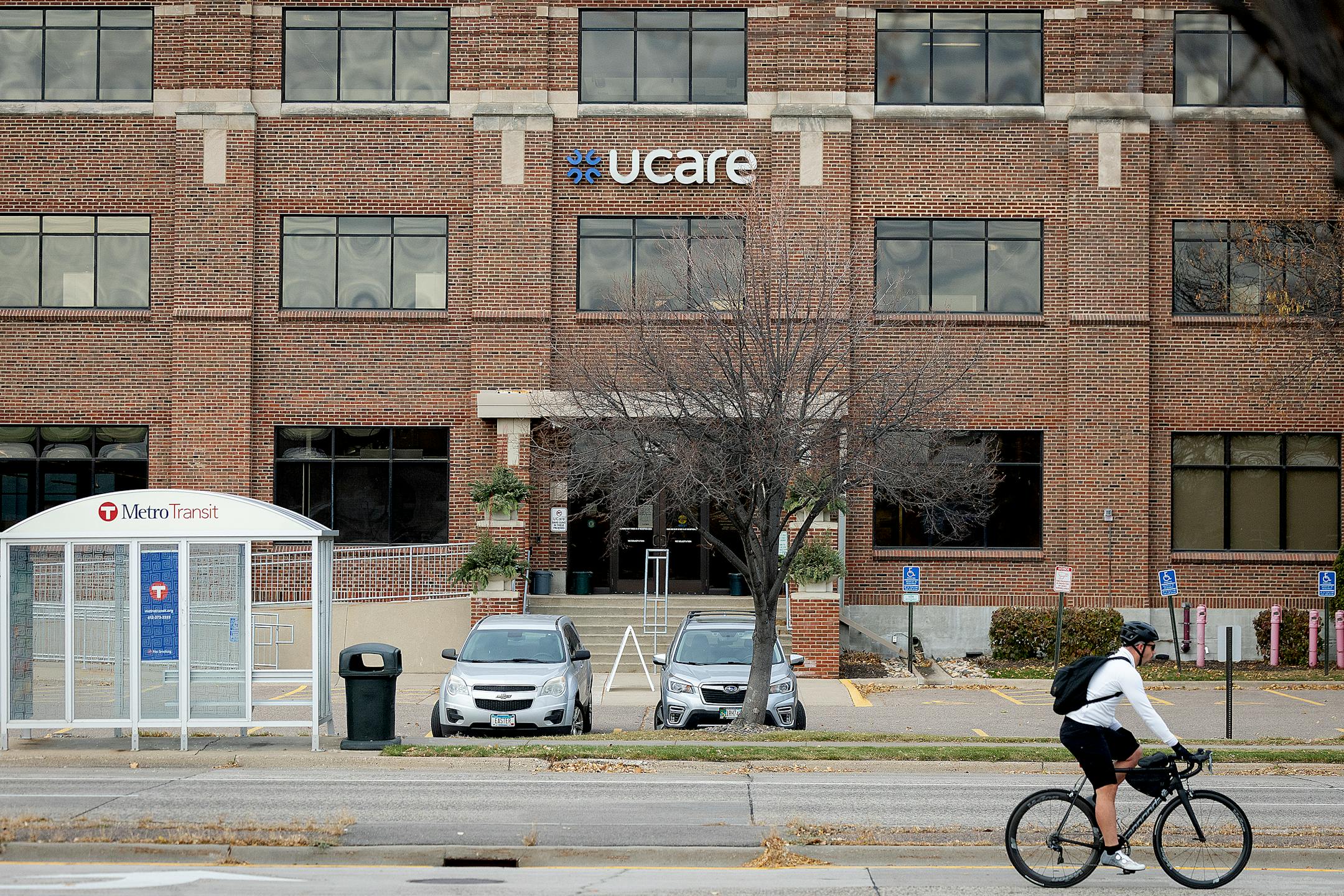
When UCare shuts down, there might be $84M left

The state’s rehabilitation plan suggests UCare has enough assets to pay off the roughly $900 million it owes to health care providers and have a small surplus left over.

The Minnesota Star Tribune
February 10, 2026 at 1:56PM
The final tally won’t be known until 2028, when UCare expects to receive its final payments from the federal government. (Elizabeth Flores/The Minnesota Star Tribune)

A new state estimate suggests health insurer UCare should have enough money to cover its roughly $900 million in debt to hospitals, and might have a little left over once accounts are settled at the failed health insurer.

The final tally won’t be known until 2028, when the insurer expects to receive its final payments from the federal government.

The prospect of having as much as $84 million in leftover money at UCare speaks to the huge dollars the nonprofit controlled when it was providing coverage to more than half a million Minnesotans.

And the chance of a small surplus adds another wrinkle to UCare’s unlikely shutdown story, which already was surprising given the company’s large size after decades of success in the markets for providing government-funded Medicare Advantage and Medicaid coverage — a business that generated record profits for UCare as recently as 2022.

The new financial projections, filed this month in Ramsey County District Court, follow motions by some of Minnesota’s largest health systems to intervene in the court-ordered rehabilitation and make sure they get paid for care provided to UCare members.

The Minnesota Department of Health took over UCare’s operations in December after the health insurer lost more than $500 million in 2024 and amassed further losses last year that created a financial hazard.

Health systems including Allina, Hennepin Healthcare and Mayo Clinic have argued they need a more prominent role in the Health Department’s rehabilitation process for UCare, since they are owed large sums where full payment from UCare will be significantly delayed. Before the state’s latest filing, Minneapolis-based Fairview had argued UCare might never be able to catch up on its obligations.

The rehabilitation plan proposed this month, however, estimates UCare had $1.165 billion in assets and $1.081 billion in liabilities, leaving a positive balance of about $84 million as of the end of December.

“It’s important to note that those dollar amounts in the rehab plan are estimates at this time, so the final amounts could change as the process continues,” the Health Department said in a statement.

If there are any excess or unclaimed funds once all UCare accounts are settled, state law and the court would dictate where the nonprofit organization’s money goes, depending on “the specific facts and circumstances that exist at the time,” the Health Department said.

That tens of millions of dollars could be left over at shutdown illustrates a core challenge in the health insurance business. Not only must insurers have enough money to cover claims at any point in time, they also need large financial reserves to insure against future health care costs.

But the new estimate doesn’t change the terminal diagnosis for the company.

“This rehabilitation proceeding is an interim step to the ultimate liquidation of UCare,” says the plan, which a consultant to the state Health Department filed in Ramsey County District Court on Feb. 3.

UCare was once one of Minnesota’s largest health insurers. It was relatively unusual for specializing in health plans that provide government-funded benefits, while not competing in the market for health plans sponsored by employers.

The nonprofit company last year was providing coverage to about 150,000 people enrolled in Medicare Advantage plans, which are a privatized version of the federal government’s massive health insurance program for seniors. As of February 2025, about 400,000 people in the state-federal Medicaid program for low-income residents received their benefits via UCare.

Normally, enrollment gains mean more business and profit for insurers. But insurers say recent payment rates from government programs have lagged behind the cost of health care. That’s why the enrollment growth at UCare in 2024 and 2025 was a liability — selling more insurance meant greater losses. Other insurers avoided that dynamic by trimming benefits and exiting markets.

While UCare’s debts still are being tallied, the plan submitted to the court last week estimates the health insurer owes about $900 million to health care providers who delivered services to UCare enrollees through the end of last year.

About $200 million in claims would be paid within 30 days.

The rehabilitation plan says revenue owed to the health insurer by state and federal government programs won’t be fully paid until 2028.

State officials “will review the ability of UCare to make further distributions to [health care providers] at least monthly and shall be authorized to make additional distributions after reserving sufficient funds,” the plan says.

In a December court filing, Fairview Health Services said it’s owed more than $100 million by UCare, while Allina Health said last month its unpaid bills exceeded $70 million. Mayo Clinic and the parent company of HCMC in Minneapolis have told the court they’re owed $180 million and $97 million, respectively.

The rehabilitation plan and state officials note several uncertainties with estimating exactly how much money UCare might expect to collect. The insurer, for example, owns an office building located at 600 Stinson Blvd. in Minneapolis that must be appraised and sold.

The plan says UCare has a pending offer to acquire a “privately placed preferred stock investment,” which a source close to the company says is a reference to the insurer’s ownership interest in a St. Louis Park-based senior care company called LifeSpark.

As UCare’s red ink mounted last year, the company announced it would shut down its Medicare Advantage plans, which roiled the market across Minnesota. Tens of thousands of seniors had to find new coverage and rival health insurers worried about the potential hit from an influx of patients with expensive medical conditions.

Eagan-based Blue Cross and Blue Shield of Minnesota, for example, said the UCare shutdown was one reason it opted to narrow the fitness network this year in its popular SilverSneakers program for seniors.

In November, UCare announced it would sell its remaining business in Medicaid, as well as health plans sold on the state’s MNsure exchange, to Minnetonka-based Medica, which is a rival nonprofit health insurer. UCare eliminated about 250 jobs in January and retained another 450 workers to help wind-down its operations.

Medica, which said it would hire about 650 former UCare workers, has not disclosed what it paid for the business. The transaction was limited to UCare’s membership and contracts in 2026, which was appraised by an independent third party at “a negative value,” Medica says.

In a statement, Medica said it did not assume any of UCare’s historical liabilities as part of the deal, nor did it receive any of the financial reserves at UCare.

Instead, it bought an inactive UCare subsidiary and paid a “nominal amount” for the subsidiary’s HMO license, the insurer said in a statement.

about the writer

about the writer

Christopher Snowbeck

Reporter

Christopher Snowbeck covers health insurers, including Minnetonka-based UnitedHealth Group, and the business of running hospitals and clinics.

See Moreicon

More from Health Care

See More
card image
Elizabeth Flores/The Minnesota Star Tribune

The state’s rehabilitation plan suggests UCare has enough assets to pay off the roughly $900 million it owes to health care providers and have a small surplus left over.

card image
card image