M Health Fairview brand ending by next year with newly approved agreement

The U and Fairview say patients will continue to have access to the same doctors as the deal changes health system branding.

The Minnesota Star Tribune
January 30, 2026 at 8:20PM
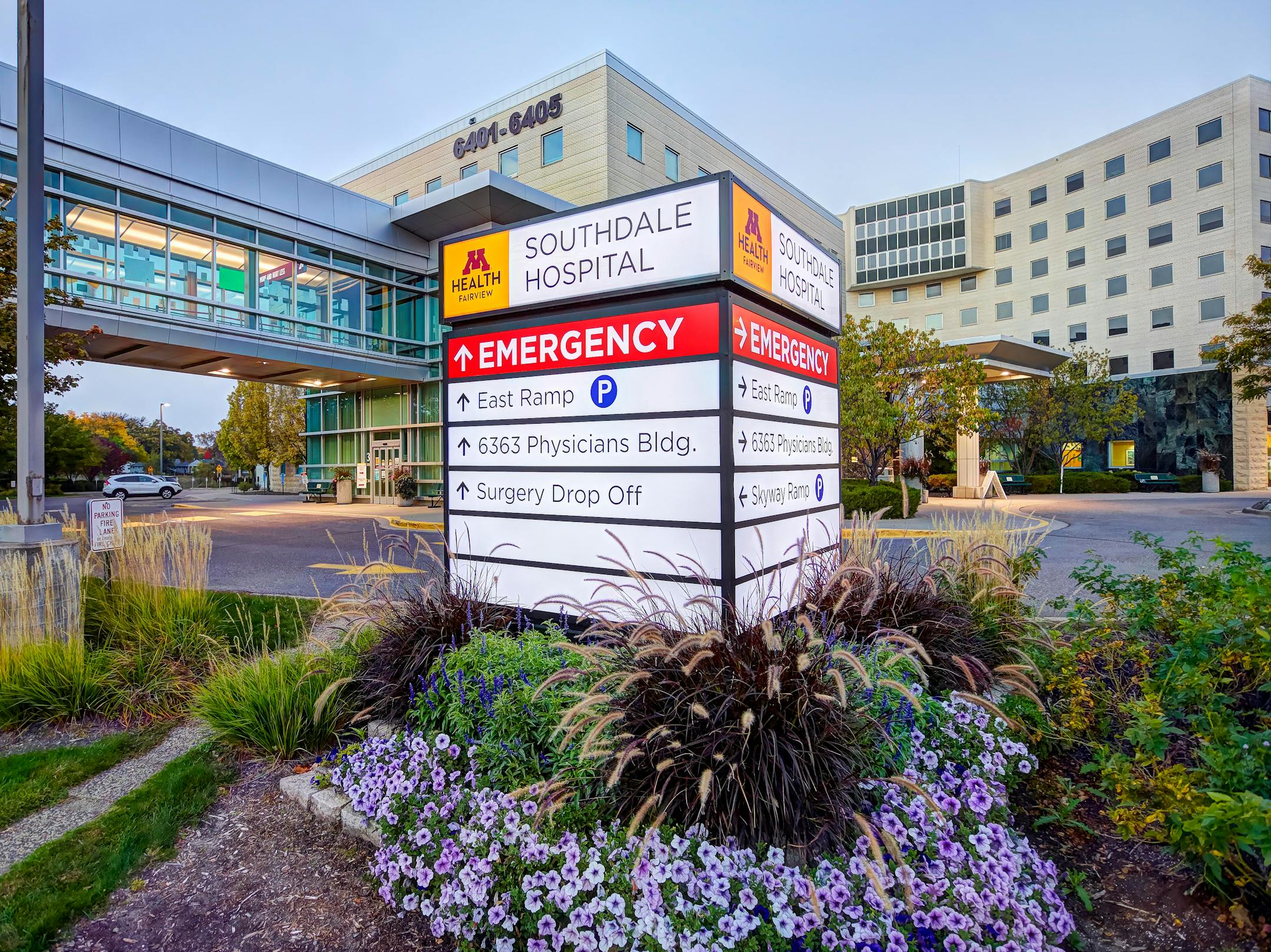
The M Health Fairview logo, shown here on a sign outside Fairview Southdale Hospital in Edina, will disappear next year from hospitals and clinics operated by the health system that are not located on the University of Minnesota campus.

The interdependent relationship between the University of Minnesota and Fairview Health Services will be diminished under a new partnership deal unanimously approved by the U’s Board of Regents on Friday, Jan. 30.

The long-negotiated renewal of the agreement, first announced Monday, means the end of the M Health Fairview brand, which currently marks dozens of hospitals and clinics. It also will weaken joint decision-making between the U’s administration and Fairview’s leadership — an alliance that’s been fraught for years — and lessens their financial relationship.

The U and Fairview still will collaborate, particularly on operation of Fairview’s massive University of Minnesota Medical Center in Minneapolis, the premier facility for the university’s health care services, research and training. But greater separation is a key theme in the new agreement, illustrated by a shift in how they will market their services beginning next year.

“The M Health Fairview brand will sunset,” U President Rebecca Cunningham said during the meeting Friday.

Other details of the deal have not yet been finalized and key points have not been made public, since they’re part of a separate, still-undisclosed agreement announced in November between Minneapolis-based Fairview and University of Minnesota Physicians. UMP is the group medical practice for doctors who treat patients at the university, conduct research and teach at the U Medical School.

Fairview and UMP are private nonprofits.

Aside from branding, patients shouldn’t notice any changes with their access to doctors at the U as a consequence of the new agreement. Behind the scenes, the university will lose its three seats on the Fairview board of directors and Fairview, beginning in 2027, will provide less guaranteed financial support directly to the state’s largest medical school.

“This agreement is a strategic pivot,” Cunningham said. “Instead of a joint venture like the current model, Fairview will be responsible for the management of hospital operations, and the university will be responsible for our academic and research missions.”

A weaker partnership is not surprising given significant public discord between the U and Fairview, particularly during the past four years.

Volatility included the U’s public opposition to a 2022 plan by Fairview to merge with South Dakota-based Sanford Health. Fairview, in turn, opposed the U’s push in 2025 for the health system to merge its assets with a new nonprofit run by Duluth-based Essentia Health.

Last spring, Minnesota Attorney General Keith Ellison started brokering a deal before the current Fairview-U affiliation expires at the end of 2026. Ellison appointed a strategic facilitator and later a team of mediators to come up with the agreement that was announced this week.

In November, the attorney general backed an agreement between Fairview and UMP that the university blasted as a “hostile takeover” of the U’s Medical School.

The deal approved Friday was largely built on that November agreement, which established “the framework for this, it sounds like, even better agreement that’s here now,” said Dr. Andrew Olson, a UMP physician and director of hospital medicine at the U.

“It gives stability for all of our missions to go from what feels a little bit like treading water, to building something even better in the future,” Olson said after Friday’s meeting.

The deal reaffirms UMP’s status as the official doctors organization for the clinical faculty of the U’s Medical School. The university’s board of regents threatened to revoke this status in protest of the deal struck in November.

Currently, Fairview is providing about $100 million per year in support for teaching, research and health care programs at the U. The new agreement provides $50 million in guaranteed annual support, plus the opportunity for additional “variable” funding based on Fairview’s financial performance.

The particulars on how much variable funding might be available, what would trigger those payments and whether the total would equal existing payment levels is not detailed in the agreement approved Friday by the U’s regents.

While the new deal creates greater distance between Fairview and the U’s administrative leadership, U doctors will be even closer to decision making within the health system, according to Fairview.

Cunningham said the agreement establishes a “pluralistic future” for the U by clarifying the university has a “non-exclusive relationship with Fairview.”

“This provides us with a clear opportunity to creatively and collaboratively explore multiple paths to address urgent health and health care needs, including forging additional and expanded partnerships to advance high quality care across Minnesota,” she said.

The 10-year deal starts in January 2027. The previous 30-year deal expires at the end of this year. That agreement was reached in 1997 when Fairview acquired the U’s Medical Center.

Fairview still owns the hospital and agrees to invest $1 billion in capital improvements, which could include a new tower on the U campus.

The M Health Fairview brand was launched in 2019 amid fanfare and optimism by the U, UMP and Fairview over a new chapter in their often-difficult relationship. Fairview had agreed to provide more financial support to the U, which would bolster the reach and reputation of the U’s Medical School and cutting-edge medical services provided by university doctors.

Dr. Jakub Tolar, dean of the U’s Medical School, cited research at the time showing that a rural cancer patient with less access to specialized medical care had a much worse chance at recovery than an identical metro patient.

“That’s unacceptable,” Tolar told the Star Tribune in 2019. “That’s unbelievably wrong. That’s social-justice wrong.”

The new agreement provides less guaranteed funding. Tolar announced this month that he’s leaving the U for a job in Texas, a move that has prominent university donors worried that a pattern of departures by highly respected physician leaders will accelerate.

Tolar will be replaced on an interim basis by Dr. Carol Bradford, whom Cunningham named Friday as the interim medical school dean and executive vice president of health affairs. Bradford will make an annual salary of $1.2 million, deferred compensation, and is eligible for a bonus based on performance up to $420,000.

For the past five years, she served as dean of the Ohio State University College of Medicine and vice president for health sciences at the school’s Wexner Medical Center.

“I understand that there’s work to do to rebuild trust, and I’m committed to doing that work and moving by action,” Cunningham said.

“This agreement is a milestone, and now we have clarity and stability. And with clarity and stability, we can build better — we can focus on healing the divides across the medical school and physician group."

about the writer

about the writer

Christopher Snowbeck

Reporter

Christopher Snowbeck covers health insurers, including Minnetonka-based UnitedHealth Group, and the business of running hospitals and clinics.

See Moreicon

More from Health Care

See More
card image
Anthony Soufflé/The Minnesota Star Tribune

HCMC says it will slim down to 390 staffed beds by limiting patient transfers from hospitals outside Hennepin County.

card image
Hennepin Healthcare Clinic and Specialty Center,l 8th Street between Park Av and Chicago Av.