Ramstad: The response to fraud in Minnesota is now overkill

Minnesotans are being terrorized by ICE. As funding delays ruin caregiving businesses and charities, those who depend on human services worry about losing them.

Columnist Icon
The Minnesota Star Tribune
January 14, 2026 at 12:00PM
An Immigration and Customs Enforcement agent interacts with a protestor in Minneapolis on Jan. 13. (Elizabeth Flores/The Minnesota Star Tribune)

The backlash to fraud in human services in Minnesota is now officially and literally overkill.

One Minnesota woman has been shot to death by federal agents. Hundreds more Minnesotans have been detained while going about their days, and then released because they did nothing wrong. And the state’s most successful pursuer of fraud, First Assistant U.S. Attorney Joe Thompson, and several colleagues have left the job.

Meanwhile, the small businesses and charities that provide human services in Minnesota are in crisis.

That started in late October with the 90-day suspension of state payments to providers of 14 Medicaid services considered to be at high risk for fraud. The state promised to resume payments after Optum’s government services unit finished a review of data that might identify potential fraudsters.

Then a right-wing YouTuber pranced through Somali-run day care centers, declaring they must be frauds, and the Trump administration pounced.

Trump cut federal funds to Minnesota childcare providers and school lunch programs. He halted grants for small businesses and rural development. He demanded recertification of food stamp recipients.

And his administration launched what it calls the largest immigration enforcement operation ever: More than 2,000 Immigration and Customs Enforcement agents in face-obscuring masks and banana-republic camo arresting people off the streets — and shooting one who President Donald Trump later said was “very, very disrespectful to law enforcement.”

While terrorizing ICE agents dominate the news, hundreds of providers of human services in the state are worried about their cash flow and ability to stay open. And thousands of Minnesotans who rely on those services are worried about losing them.

“When I was mayor I always said, ‘It’s not the fall that kills you, it’s the stop,’” Brad Wiersum, who just finished two terms as mayor of Minnetonka, told me. “Sudden change is never good. It just disrupts everything.”

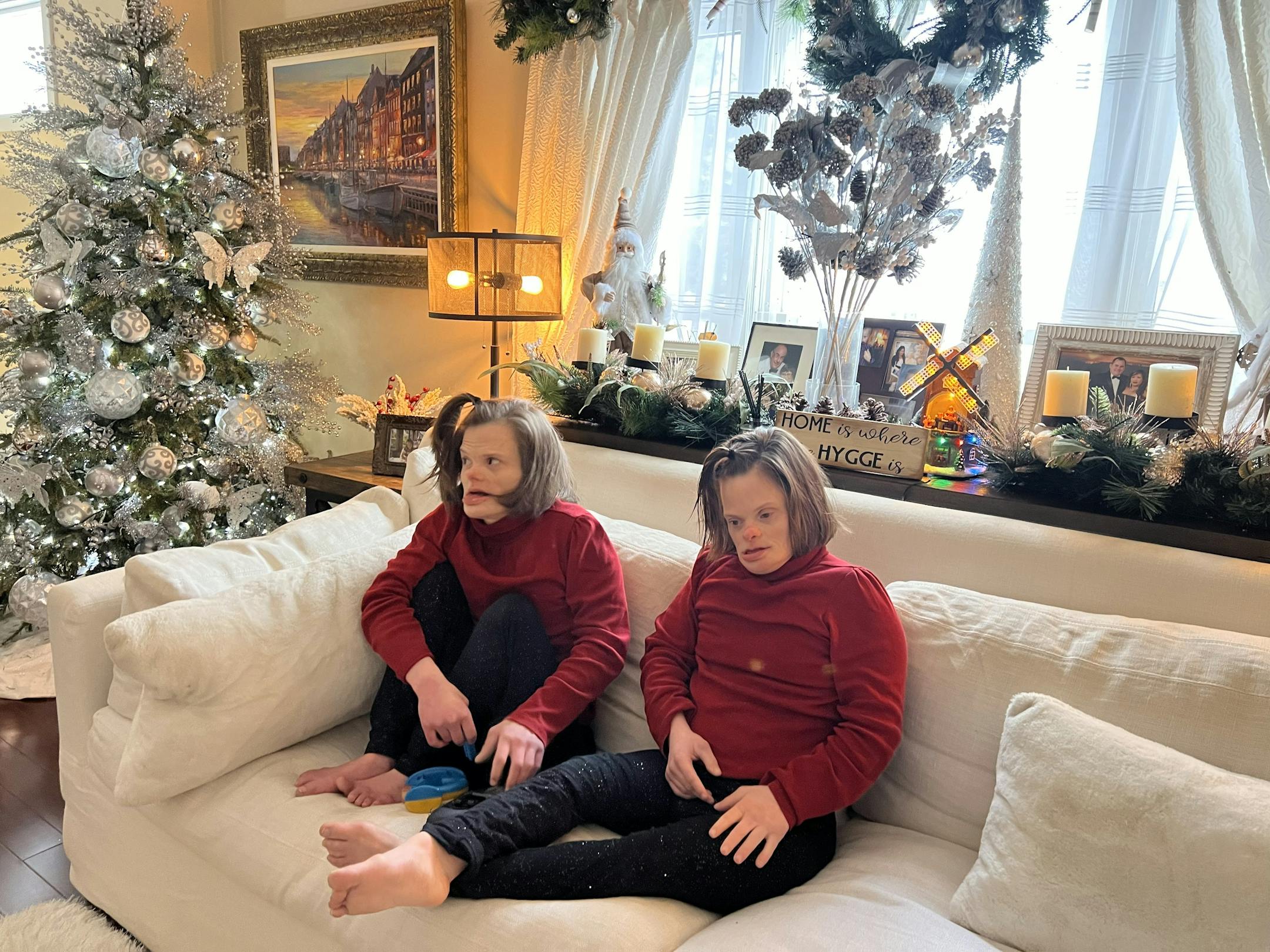
Wiersum for decades has watched the ebb and flow of public attitudes on human services not just with the keen eye of a policymaker, but with the heart of a father. He and his wife Karen are the parents of twin daughters who were born with Down syndrome and need help eating, moving and living. They have counted on taxpayer-funded programs their entire lives.

Ask anyone who relies on government assistance, Wiersum pointed out, and they’ll tell you what’s happening in Minnesota now is the latest chapter in an ongoing story of relentless scrutiny — always having to justify their need and never being certain that the help they get today will be there tomorrow.

Brad and Karen Wiersum of Minnetonka are parents of four children, including twin daughters with Down syndrome who require around-the-clock care.

In the 1960s and 1970s, reformers began pushing states to “deinstitutionalize” the care and assistance of people with mental and physical differences or disabilities. Getting people out of state-run facilities and into settings that are more humane, and human, has been arduous and expensive.

Health and human services over the last 50 years overtook education as the most expensive thing the state of Minnesota does. And it’s the same in many other states.

As these costs grew, legislators and regulators would take notice and seek ways to trim programs. In the early 2010s, for instance, Minnesotans had a multi-year, roiling debate about the safety and efficiency of group homes for people with disabilities. Moratoriums on new group homes have emerged and fallen away in Minnesota communities going back to the early 1990s.

The Wiersums’ daughters, Jennifer and Amy, entered adulthood during one of the lengthier moratoriums on group homes, one that began in 2009. That led Brad and Karen to keep them at home until about a decade ago, when they were in their late 20s.

The option that made the most sense for them was for Brad and Karen to buy a second home for their daughters and hire a company to provide around-the-clock care.

“Social Security disability covers their living costs and Medicaid provides the care,” Wiersum said. “They have no self-help skills. It’s a full-time situation, but we made the transition.”

While own-home care was increasingly popular at the time, he said the family learned “execution is always harder than the concept.”

The couple started with one company that, after a few years, decided to only operate group homes. The Wiersums then hired a second company, a relationship that lasted for several years. This time, the family decided to move on because of a personnel conflict. Last fall, they signed on with Learnability, a small firm that provides own-home services to a roster of clients with high levels of need like Jennifer and Amy.

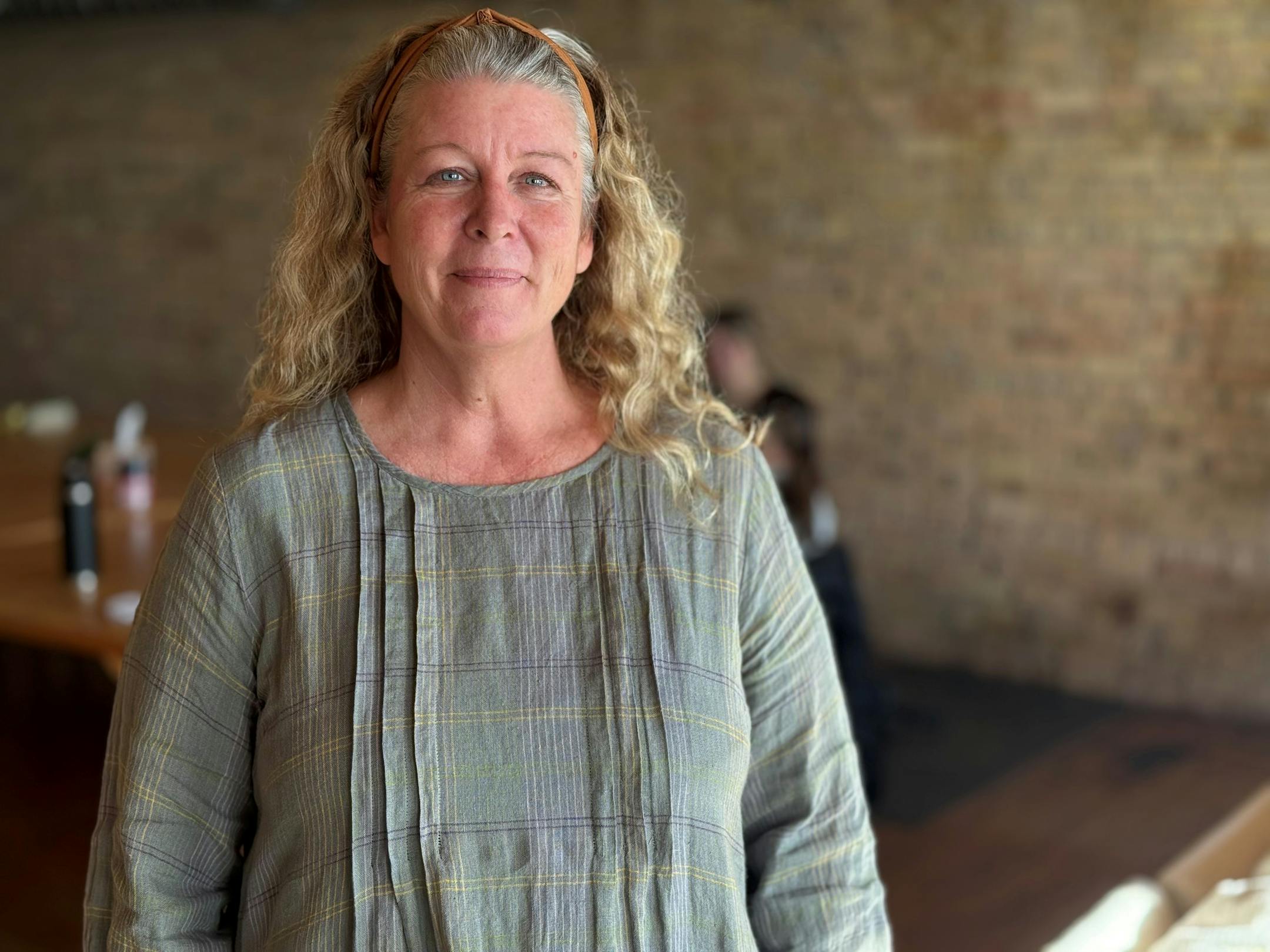
“Their survival depends on others,” said Calli Brown, owner of Learnability. “The other group of people we care for have some pretty heavy physical aggressions and behavioral issues. We provide care 24 hours a day and our clients cannot be alone ever.”

Calli Brown, owner of Learnability, a provider of care services to people with physical and mental challenges and disabilities, at her office in Minneapolis. (Evan Ramstad)

Just as the Wiersums made the change to Learnability, the torrent of accusations of fraud started in Minnesota’s human services system. Typically, care providers have months to adapt to a new state or federal regulation. No one saw the cutoff of state and federal payments coming.

And while Minnesota didn’t instantly halt those payments, Brown has been working through reduced cash flow and estimates she might be able to pay her 70 employees for about two months if there is a full cutoff.

“I have reserves for about 45 days,” Brown told me. “90 days, I can’t.”

Elected leaders with their eyes on the November election and journalists and social media influencers seeking clicks have pursued examples of fraud with a zealotry that has left them blind to the potential of hurting people like Jennifer and Amy Wiersum.

Jennifer Wiersum, left, and her sister Amy, daughters of Brad and Karen Wiersum of Minnetonka, at home over the holidays.

But maybe we’re turning a corner. Gov. Tim Walz last week gave up his re-election campaign, opening the door for a broader discussion about Minnesota’s problems. Thompson and his colleagues demonstrated their integrity by resigning after their pursuit of fraud became subverted by Trump’s anti-immigrant agenda.

Now Minnesota’s most needy citizens need speedy assurance that caregivers like Brown can continue to do their honorable, difficult work.

about the writer

about the writer

Evan Ramstad

Columnist

Evan Ramstad is a Star Tribune business columnist.

See Moreicon

More from Business

See More
card image
Carlos Gonzalez/The Minnesota Star Tribune

From Target to General Mills and Caribou Coffee, Minnesota’s largest employers are feeling pressure amid a surge of immigration officers in the state following the killing of Renee Good.

card image