


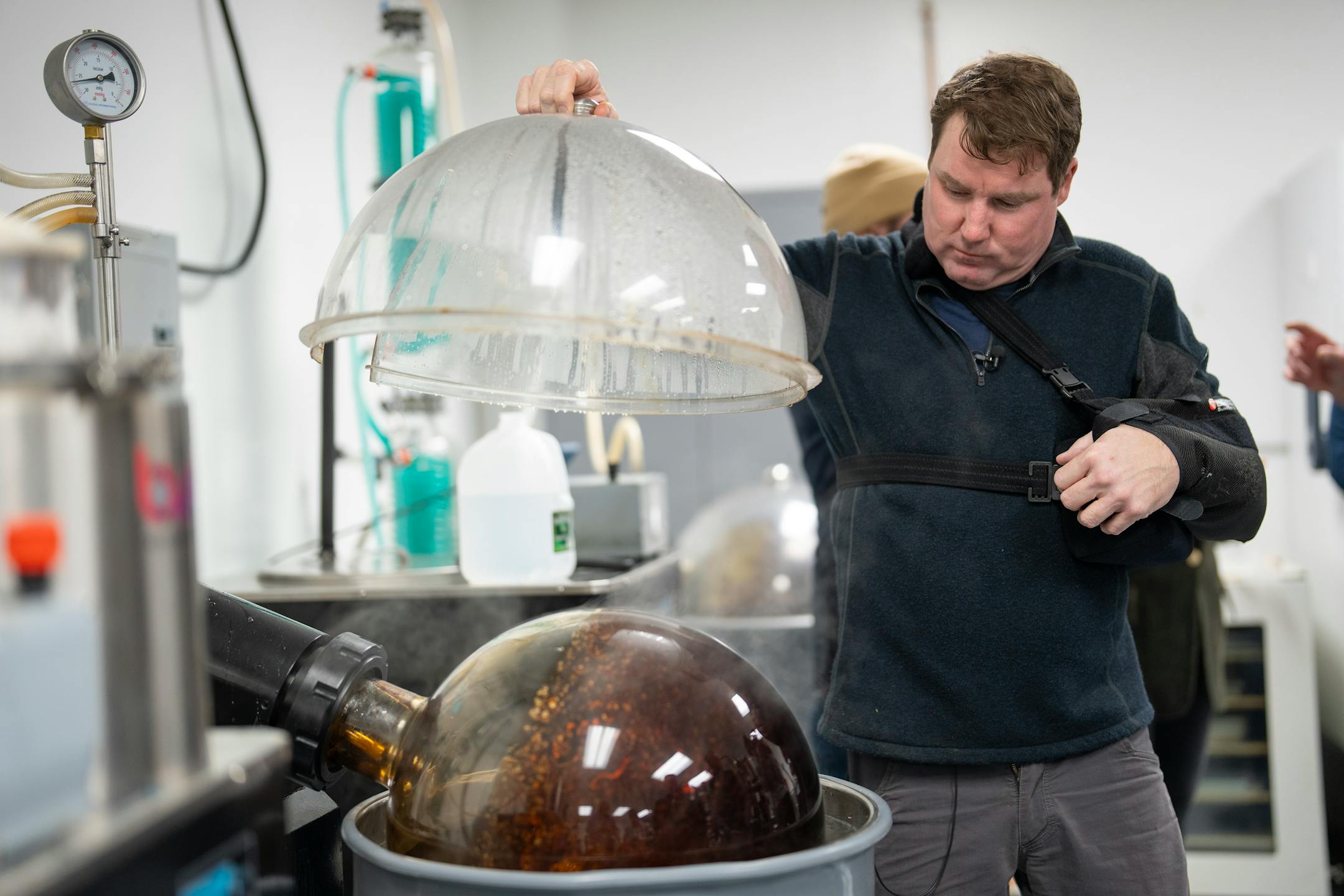
As Minnesota prepares to tighten its rules on hemp-derived THC next month, the state’s already well-regarded hemp framework is drawing renewed national attention — even as a looming federal ban puts it at risk.
A surprise move in Washington earlier this month will effectively reclassify intoxicating hemp products as illegal in one year, threatening to upend a national market that has grown to nearly $30 billion since the 2018 farm bill quietly opened the door. The provision, which was part of the bill to end the shutdown, bans hemp products containing more than 0.4 milligrams of THC per container, far below Minnesota’s 5-milligram cap for edibles and 10-milligram cap for beverages.
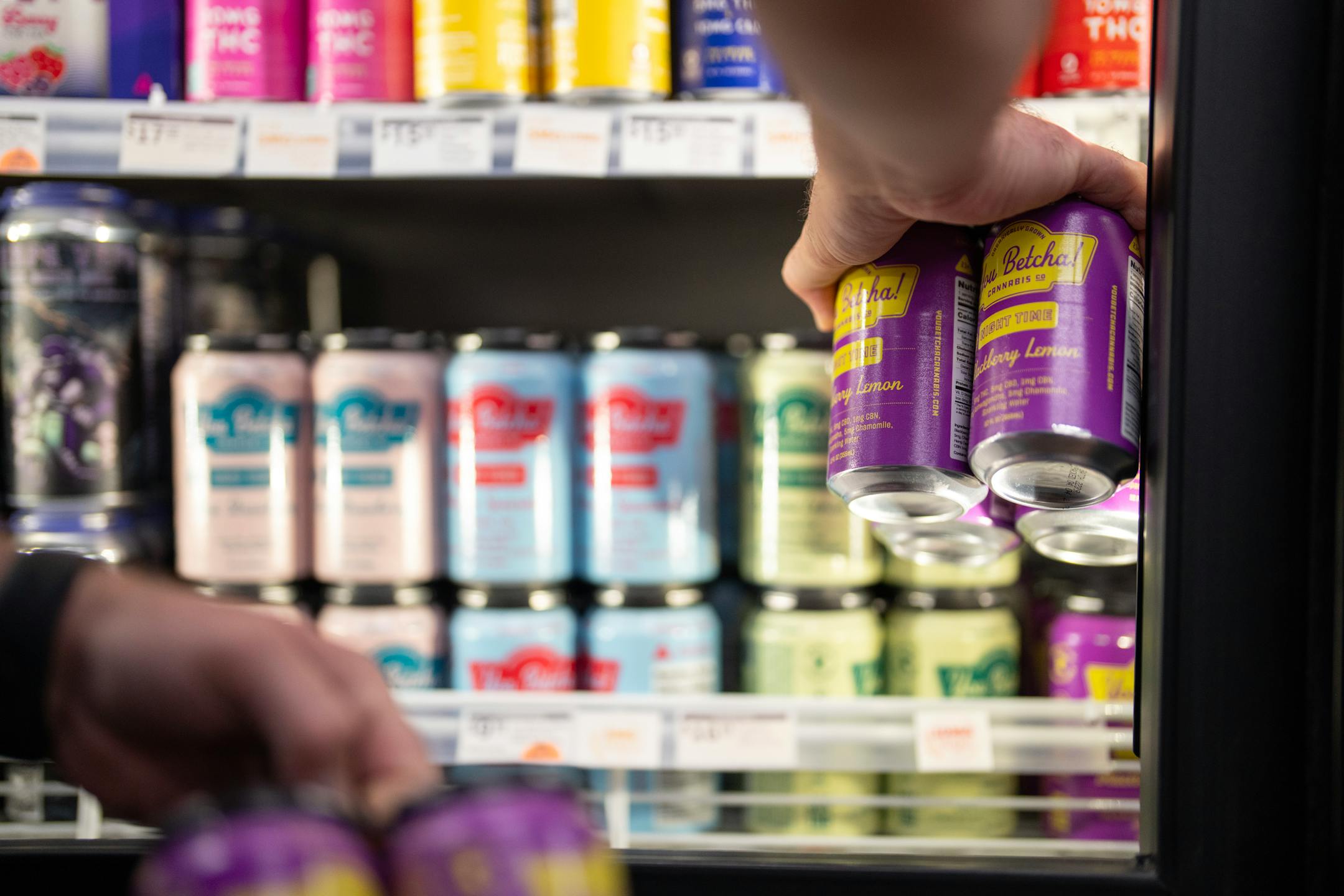
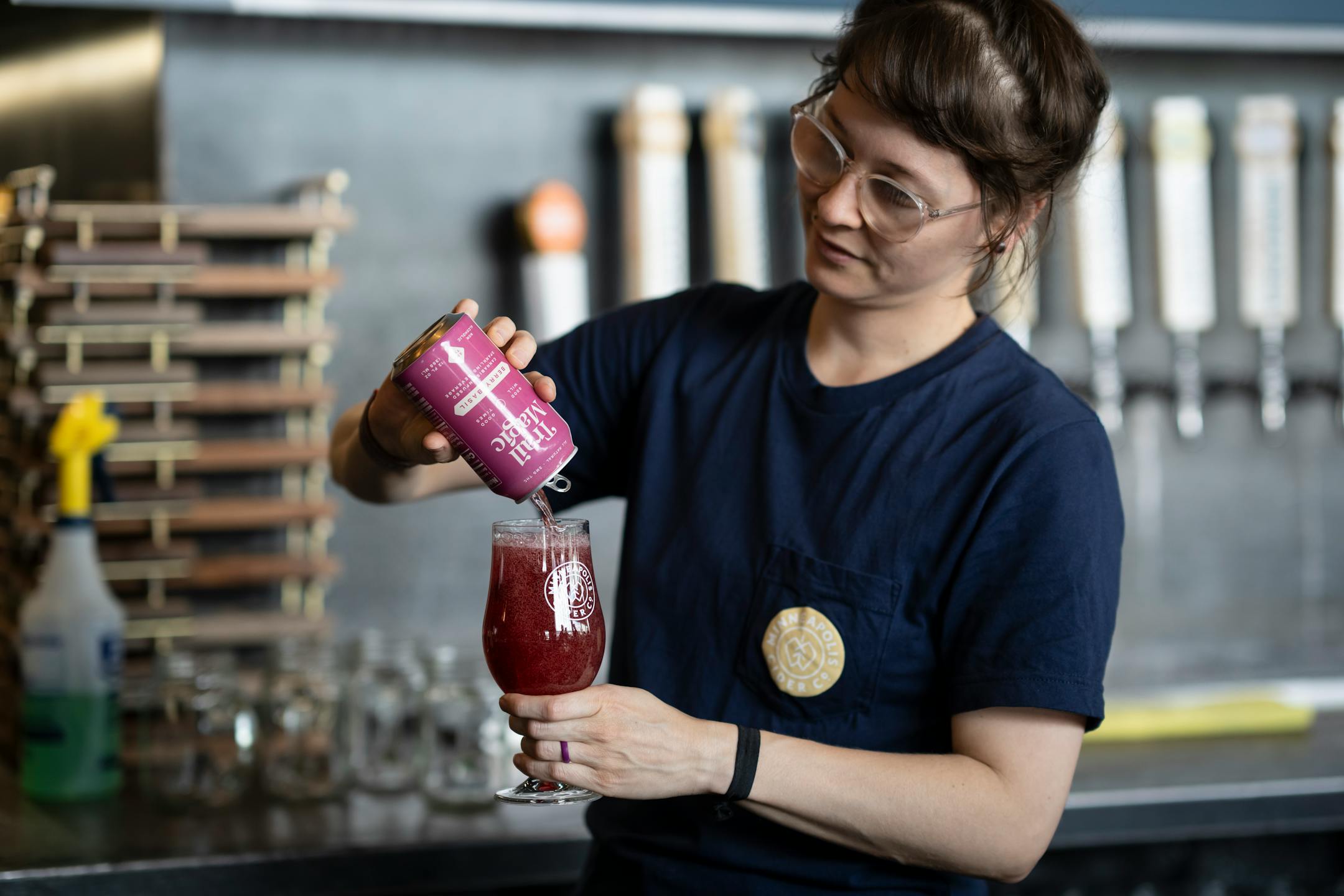
Regulators and businesses in Minnesota, home to one of the country’s most developed THC beverage scenes, are now weighing whether the past few years have been a blueprint for the future or a brief, fragile experiment.
The Minnesota hemp-derived THC market now supports an estimated $200 million in annual sales and generated more than $11 million in state tax revenue last year, business owners and elected officials said during a news conference last month.
“We have the proof that it works,” said Eric Taubel, director of Minnesota’s Office of Cannabis Management. “We have a robust industry. We have consumers who are confident in what they’re buying.”
Minnesota’s regulations — testing requirements, ID checks, packaging rules and caps on potency — are, he said, a “ready-made template” for federal oversight.
The federal change could erase the very market Minnesota helped pioneer.
“Intoxicating hemp is dead,” said cannabis attorney Jason Tarasek, who represents hemp businesses in Minnesota and around the country. “The biggest advantage for our hemp-derived THC entrepreneurs was the ability to engage in interstate commerce.”








![People line up to purchase recreational cannabis Tuesday, Aug. 1, 2023 outside NativeCare in Red Lake, Minn.. The Red Lake Nation opened the state's first recreational marijuana dispensary Tuesday morning. ] AARON LAVINSKY • aaron.lavinsky@startribune.com](https://arc.stimg.co/startribunemedia/ZOCGTIS7SH7MQEY2OPDROIIIHY.jpg?&w=252&ar=3:2&fit=crop)