Minnesota’s hemp-derived THC companies prepare to fight ban on Capitol Hill

A spending bill passed by the U.S. House and signed by the president Wednesday will essentially prohibit hemp-based THC products nationwide in a year.

The Minnesota Star Tribune
November 13, 2025 at 12:00PM
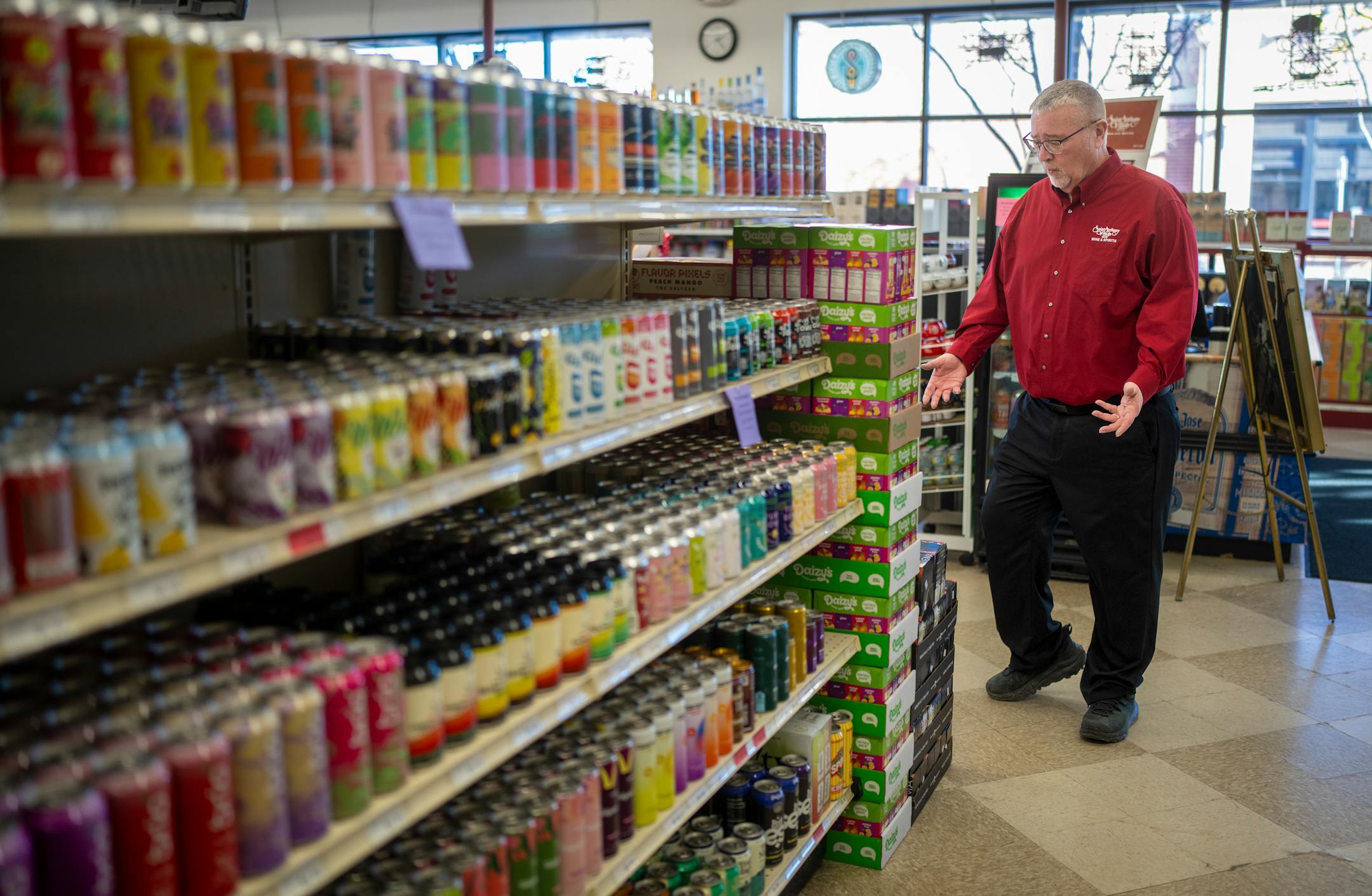
Mike Larson in the municipal liquor store he runs in St. Anthony on Jan. 23. The store also sells THC beverages, which could be affected by a bill Congress approved that would ban the product. (Renée Jones Schneider/The Minnesota Star Tribune)

Makers of hemp-derived THC beverages and edibles in Minnesota are gearing up to fight for their industry’s survival after Congress approved a bill that would effectively ban their products.

Hemp businesses and allied trade groups are preparing for an intense lobbying effort against the change, which prohibits hemp products containing more than 0.4 milligrams of THC, the psychoactive ingredient in cannabis. It was part of a deal passed by the U.S. Senate and then U.S. House as part of the deal to end the federal government shutdown and signed into law by President Donald Trump.

Companies in Minnesota, including many small breweries, are reeling over the federal ban, which they say will effectively kill the state’s hemp-derived THC industry. They will have one year until it takes effect to persuade wary federal lawmakers to reverse course.

“Go to your local neighborhood brewery. They need your support now more than ever,” said Jim Diley, co-founder of Fulton Brewing and a board member of the Minnesota Craft Brewers Guild.
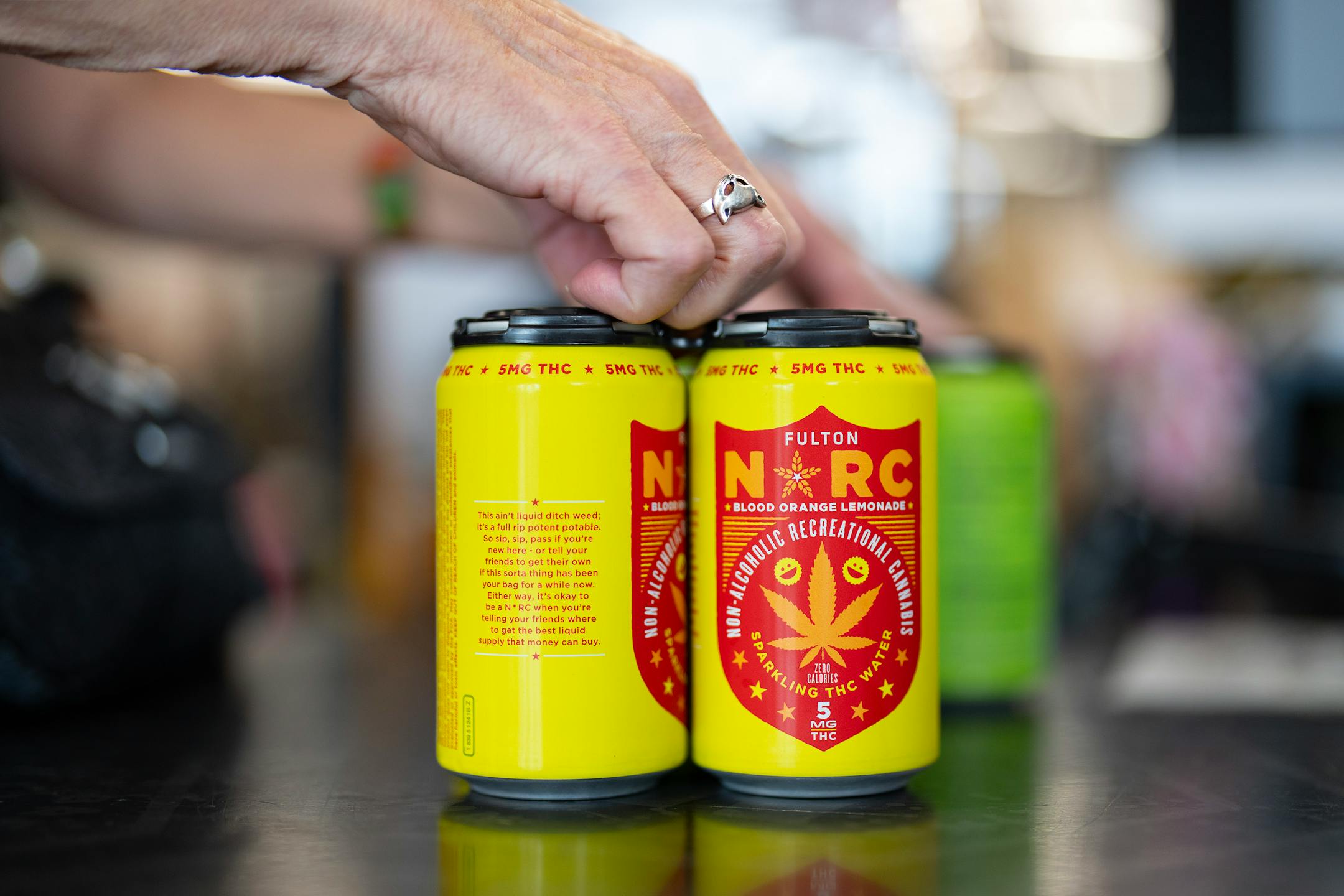
Bernadette Anton buys THC-infused beverages at Elevated Beer Wine & Spirits in Minneapolis on Oct. 1. (Alex Kormann/The Minnesota Star Tribune)

Diley said Fulton doesn’t have a backup plan if the federal ban goes into effect in a year, but the company is committed to adapting instead of retreating.

Hemp-derived THC products have been legal and regulated in Minnesota since 2022. State law allows hemp-derived edibles containing up to 5 milligrams of THC per serving and beverages containing up to 10 milligrams.

The products have become a big business and are sold everywhere from liquor stores and breweries to big-box retailers such as Target. They’ve generated millions of dollars in tax revenue for Minnesota.

A report from the cannabis consulting and research firm Whitney Economics released in September found U.S. sales of hemp-derived THC beverages exceeded $1 billion in 2024.

“[The ban] will put many companies’ entire existence at risk,” said Ryan Kopperud, vice president of growth for Duluth-based Wild State Cider’s THC product line, Birdie. THC seltzers now make up a “significant portion” of Wild State’s business, he said.

Wild State and associated trade groups have been doing everything they can to get the attention of members of Congress, Kopperud said.

“We’ve been calling as much as is reasonable,” he said.

Many Minnesota companies jumped into the hemp-based THC market because it doesn’t face the same restrictions as marijuana, which is still illegal under federal law. Businesses that sell federally illegal substances aren’t allowed to write off their operating expenses, resulting in a potentially huge tax bill that makes it hard to turn a profit. They also face issues with banking, credit card processing and obtaining insurance.

A federal ban on intoxicating hemp effectively treats the products the same as marijuana. Regardless of whether the federal government enforces the ban in Minnesota, it creates a set of circumstances that make the business unviable for most breweries, liquor stores and retailers.

Sen. Mitch McConnell, R-Ky., championed the proposal to ban intoxicating hemp products. He’s argued that children have been hospitalized after ingesting unregulated hemp-based THC products that resemble candy.

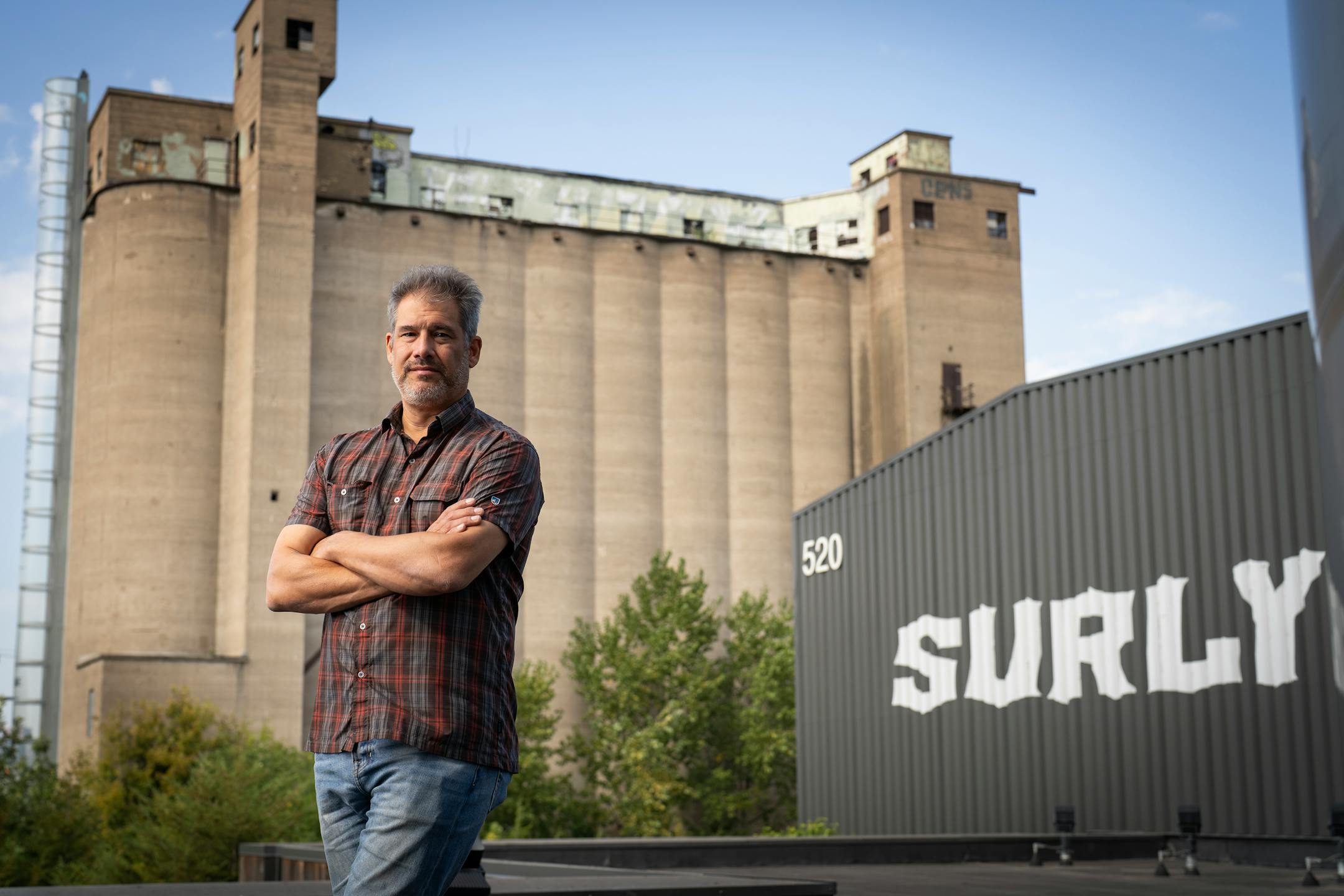
Surly Brewing Co. founder Omar Ansari on Oct. 1. (Leila Navidi/The Minnesota Star Tribune)

Omar Ansari, founder of Surly Brewing, said the next year should be spent building a federal regulatory framework.

“No one wants kids getting sick,” Ansari said. “In the long run, ironically, this can be good for the industry, because when you have national adoption of rules, then all of a sudden it becomes something that can be done in a lot of states.”

Surly has become one of the state’s largest co-manufacturers of hemp-derived THC beverages, and those sales now make up a significant share of revenue for his company and many others.

Ansari said brewers are “scrappy people by nature” and will find ways to adapt if a ban takes effect, by pivoting to other products like nonalcoholic beverages or seltzers. But he doesn’t want it to come to that.

Kyle Marinkovich, who owns Northern Diversified Solutions, a Burnsville company that manufactures the hemp cannabinoids used in edibles and beverages, sees the change as a “death sentence” for his business. Unlike breweries that can diversify into other products, manufacturers like him have few alternatives.

“Consumers want this, retailers want it, growers want it,” he said. “We’ll go to battle in the first quarter to save it. I’m an optimist — I think we’ll find a solution."

For Diane Afrooz, chief operating officer of the THC beverage company Kite Soda, what had been a period of national expansion now feels uncertain; the company isn’t even sure if it can keep its footing in Minnesota.

Other industry leaders said they plan to continue operating as usual and lobby for a regulatory fix.

“A lot can happen in a year,” said Christopher Lackner, president and CEO of the national Hemp Beverage Alliance. “My hope is that all of a sudden people will realize, ‘Wait, we did what?’”

Lackner said he hopes to see members of Congress from states with thriving hemp markets, like Minnesota, work on a regulatory fix. More than 10% of the Hemp Beverage Alliance’s 375 members are from Minnesota.

“It can be done if the will is there to save thousands of jobs and billions of dollars of investment,” Lackner said.

Matt DeLong of the Minnesota Star Tribune contributed to this story.

about the writers

about the writers

Ryan Faircloth

Politics and government reporter

Ryan Faircloth covers Minnesota politics and government for the Star Tribune.

See Moreicon

Emmy Martin

Business Intern

Emmy Martin is a business intern at the Minnesota Star Tribune.

See Moreicon

More from News & Politics

See More
card image
Ayrton Breckenridge/The Minnesota Star Tribune

A report from Violence Free Minnesota said domestic violence homicides have dropped from a record number in 2023. But deaths among bystanders and interveners remain at all-time high.

card image
card image