
Minnesota offers clarity on new THC beverage rules, minimizing industry disruption

Office of Cannabis Management released a memo Friday providing guidance on the state’s new licensing system for THC beverage makers.

The Minnesota Star Tribune
October 10, 2025 at 10:21PM
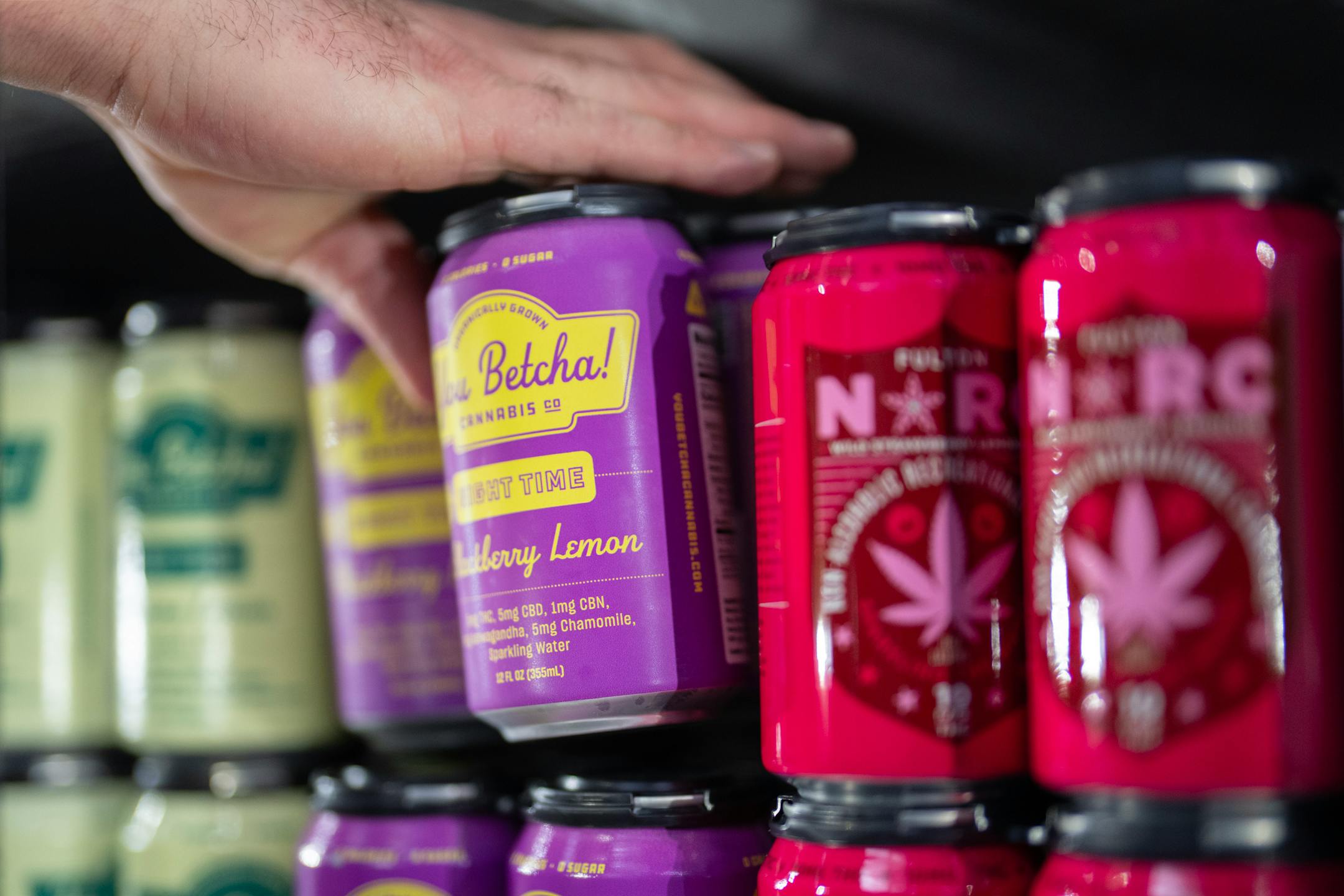
The state issued a memo Friday clarifying the transition period for new regulations that take effect Jan. 1 regarding THC-infused beverages. (Alex Kormann/The Minnesota Star Tribune)

Anxiously awaited guidelines surrounding THC beverages and edibles sold in Minnesota should give manufacturers an on-ramp to stricter regulations that go into effect next year.

The Minnesota Office of Cannabis Management (OCM) issued a memo Friday that says THC beverage and edible makers in good standing with the state can continue selling their products until new licenses are approved or denied by the state.

Manufacturers must apply for the licenses by Oct. 31, but many were worried that with testing part of the process and low lab capacity in the state, their licenses could be delayed, causing issues on Jan. 1.

A group of hemp industry owners and managers met with OCM officials a week ago to outline their concerns upcoming changes to the law could upend their companies.

OCM Director Eric Taubel said Friday the office spent the past week focusing on how to alleviate and address industry concerns.

“It’s a little unfortunate we didn’t get wind of them during [the last legislative] session, when we had the opportunity to kind of address and fix some of these things in statute,” Taubel said.

The new memo builds on guidance first issued in July, clarifying how hemp businesses can stay in compliance during the transition to permanent regulations.

Glenn McElfresh, co-founder of the Plift hemp-infused beverage brand, received the memo on Friday afternoon. As one of the people who attended last week’s meeting, his first response after reading it quickly was excitement.

“It’s clear that the office and the office staff have been listening to the industry and deeply want to protect, nurture and support Minnesota,” he said.

At the center of the transition is the formal handoff from the state’s 2022 law that allowed the sale of lower-potency THC products to the more stringent licensing system created under Minnesota Statute Chapter 342.

Businesses that want to sell THC beverages must apply for lower-potency hemp edible licenses by Oct. 31. All products must be tested at Minnesota-licensed laboratories — but with only two labs currently approved, business owners worry the limited capacity could create bottlenecks.

In the memo, released Friday afternoon, OCM said it will begin issuing licenses to hemp retailers on a rolling basis once the application window closes at the end of October. However, the office will wait until Dec. 31 to issue licenses to hemp manufacturers and wholesalers, giving them more time to “ensure business practices comply with state law.”

Taubel said inspectors will take an “education to compliance” approach early on, issuing corrective orders before fines.

(Sign up for Nuggets, our free weekly email newsletter about legal cannabis in Minnesota.)

Manufacturers also are pushing back against new labeling requirements that would force them to list the manufacturer’s, cultivator’s and processor’s names and license numbers. They argue the rules will slow production and drive up costs.

Starting in 2026, all new products must comply with Chapter 342, but products tested before 2026 can remain on sale until they expire or sell out.

Under the memo guidelines, manufacturers and wholesalers may continue to produce, package and test products under the old rules but are encouraged to update safety labels on packaging forms and templates.

If lab capacity lags, Taubel said OCM is open to asking the Legislature in 2026 to extend key timelines, though he anticipates that four more labs could open by spring.

The guidance directs manufacturers to begin using two icons — a universal THC symbol and a warning symbol — on all packaging to align with cannabis labeling standards. Taubel said the stickers are key to improving consumer safety and preventing accidental ingestion.

A companion memo released the same day outlines the criteria under which hemp-derived products from other states may enter Minnesota’s regulated market.

OCM identified Hawaii, Kentucky, New York and Utah as having “substantially similar” consumer-protection regulations, allowing imports from those states without additional review.

Manufacturers from other jurisdictions must submit detailed documentation proving that their extraction methods, cannabinoid composition, food safety practices, sanitary conditions and ingredient standards align with Minnesota’s requirements.

State officials say the new regulations are designed to ensure consistent product safety and improve consumer transparency across Minnesota’s growing hemp and cannabis markets. The hemp industry is more complex to regulate than the cannabis market because it already has existing operators and products in circulation, Taubel said.

He said he hopes that the OCM’s response to last week’s meeting shows people that “government works.”

“Concerns were raised, groups were assembled and decisions were made that took into account those concerns and tried to address them as best as possible within the limited structure that was available to us.”

about the writer

about the writer

Emmy Martin

Business Intern

Emmy Martin is a business intern at the Minnesota Star Tribune.

See Moreicon

More from Business

See More
card image
Hormel headquarters in Austin, MN. ] GLEN STUBBE * gstubbe@startribune.com Friday September 11, 2015 Despite woes throughout the food industry, partly due to consumers turning away some from processed foods, Hormel has managed to continue prospering -- even though a good part of its business -- Spam, chili -- is about as processed as you can get. But the company's turkey and pork offerings are riding a hot protein trend. And over the past two years, it's made some of the biggest acquisitions in