Gun threats in greater Minnesota post-Annunciation shooting highlight safety needs

School districts have long safety wish lists but little funding.

September 20, 2025 at 1:14PM
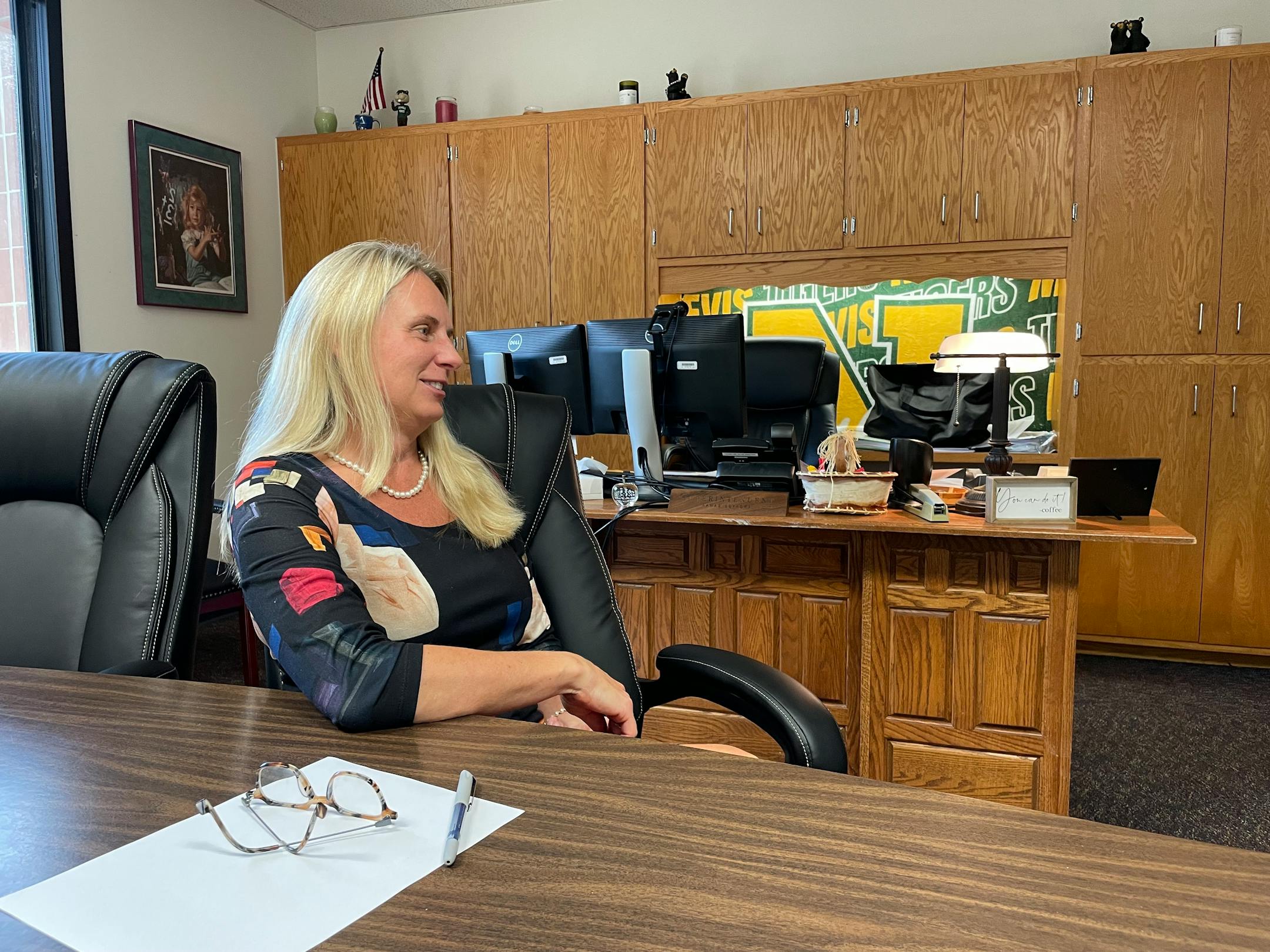
Nevis Superintendent Ranae Seykora in her office Sept. 15, 2025. (Kim Hyatt/The Minnesota Star Tribune)

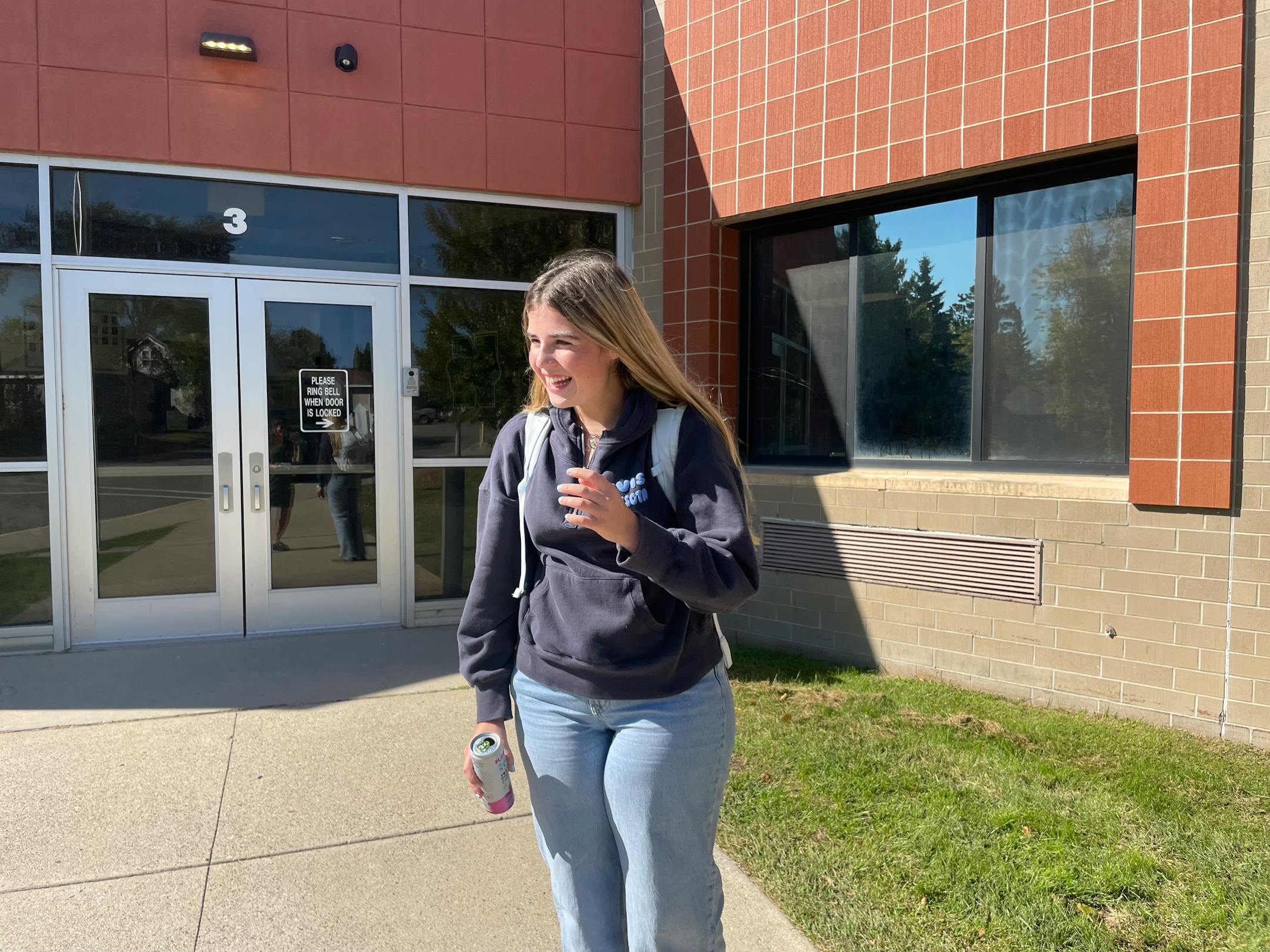
NEVIS, Minn. - Days after organizing a student walkout protest against gun violence, senior Ella DeWitt was shocked to learn a student was arrested for threatening to shoot up her school.

“My first thought, which is kind of sad, it was, ‘Was it because of the walkout, the little gathering at the flagpole?’” she said.

DeWitt said she is a hunter but feels “gun violence is different and needs to be taken care of.”

Schools in Duluth and Sartell also have grappled with gun threats in the first weeks of school.

After two schoolchildren were killed Aug. 27 in the Annunciation Catholic Church shooting in Minneapolis, copycat threats have heightened fears and caused school administrators to look even closer at safety plans — and gaps — throughout greater Minnesota, where the state’s two previous deadly school shootings occurred 20 years ago.

School officials spoke of the many security features they wish they could have in place to protect their students — if funding were not an issue.

“Cameras, security at entrances, weapon detection technology, bulletproof windows, communication systems ... these all cost money, and right now our society would need to make a commitment to invest in our schools,” said Jamie Boelter, superintendent at the New London-Spicer School District.

Around 75 school districts in the state are asking voters for more money this fall, according to the Minnesota Department of Education. While the majority of funding requests are for operating and building expenses, Madelia and Jackson County Central are seeking money to pay for cameras and other safety measures. Alexandria is asking for $3 million in safety and security improvements.

Nevis, where voters in April resoundingly rejected a $41.5 million bond request, is waiting until next year to ask again in hopes of getting upgrades with an emphasis on securing school buildings.

Superintendent Ranae Seykora, who is in her first year at Nevis, said there are doors that don’t lock. She said she is hesitant to share too much detail because she wants to underscore the urgency without revealing vulnerabilities.

The white board in her new office displays strategies and calculations to get a bond issue passed. One approach: focus on health and safety.

“We love our kids, and that’s our worst nightmare, to have something happen to them when we could have made it better,” she said.

Minnesota House Republicans have proposed a slate of school safety policies that include security grants, an increase in school resource officers and an extension of state safety funding to nonpublic schools.

“Minnesotans deserve real solutions that will meaningfully protect students and actually reduce gun violence,” House Speaker Lisa Demuth said in a statement on the proposals.

Her Cold Spring legislative district includes Rocori High School, where two students were shot and killed by a classmate in 2003.

The debate at the Capitol about how to respond to school shootings has not changed much in the two decades since then. Some lawmakers call for gun control measures, while others say more mental health resources and upgrades to building security are the solution.

”It’s kind of like a flash point of emotions come out, whether they’re political left, political right,“ said Brainerd School Superintendent Peter Grant.

”Instead of talking about how to prevent it, they get into the ‘we need more. We need less. These are bad. This is good.’ And then in a month, that kind of fades away."

Senior Ella DeWitt hosted the walk-out protest against gun violence at Nevis and said she plans to be an elementary teacher. (Kim Hyatt/The Minnesota Star Tribune)
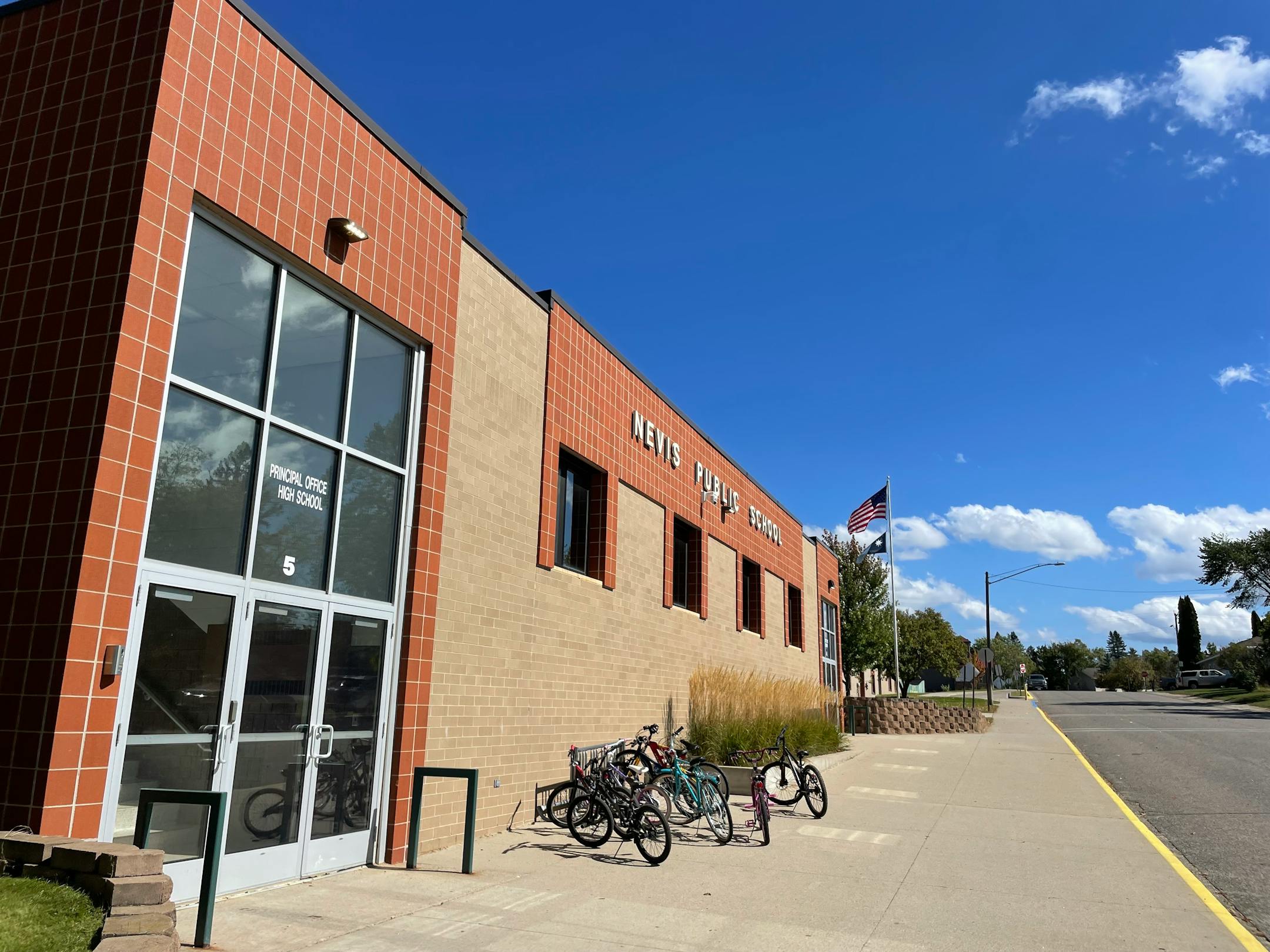
Nevis Public School in northern Minnesota recently experienced a gun threat and student arrest days after a walk-out protest against gun violence. (Kim Hyatt/The Minnesota Star Tribune)

More resources

Minnesota has one of the worst student-to-counselor ratios in the nation. Several school officials said mental health services are their biggest safety measure, as it could prevent disaster by helping students at risk.

“If a student can be identified prior to doing something in a school, everyone benefits,” said Jim Wagner, superintendent of Le Sueur-Henderson Public Schools.

Though the effectiveness of school resource officers (SROs) has been heavily debated, many districts want them. However, the districts say they can’t afford contracting for the SROs with their local sheriff’s office or police department.

The tradeoffs between making sure students are safe and keeping the lights on at smaller school districts that are already stretched thin is “absurd,” said Paul Peterson, superintendent for Mankato Area Public Schools.

“Every dollar we spend on fortifying schools and training staff is a dollar that isn’t going toward teaching and supporting kids,” Peterson said.

Some of the dozens of superintendents who spoke to the Minnesota Star Tribune said SROs are treated like a member of school staff and have special connections with students.

St. Cloud Police Chief Jeff Oxton said the officers also provide a place for students to report concerns. But more so, they become part of the school community, “not just to be a badge and a gun,” he said.

“The point is to collaborate with kids, to get to know kids, to know staff and then to provide a safer culture within the schools,” Oxton said.

In southwest Minnesota, leaders at smaller school districts such as Renville County West, Minneota and Lac qui Parle Valley School District said they wish they could afford an SRO.

In Lakeview, finding funds for even a part-time officer shared with another district is difficult. “Cost is the barrier,” said superintendent Chris Fenske.

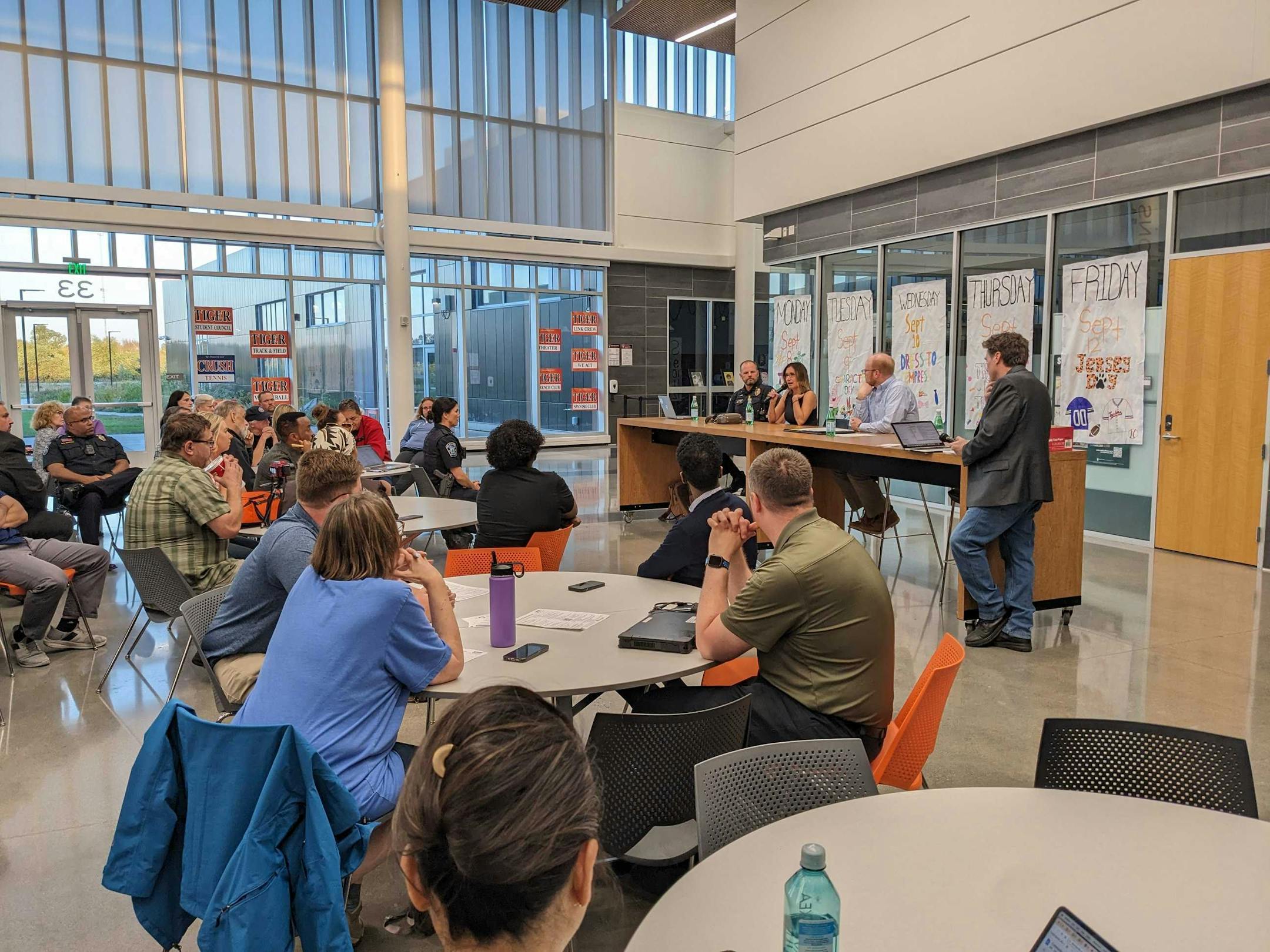
Sen. Aric Putnam hosts a conversation on school safety with St. Cloud Police Chief Jeff Oxton, St. Cloud school district Superintendent Laurie Putnam and mental health professional Zach Dorholt on Sept. 10 at St. Cloud Tech High School. (Jenny Berg/The Minnesota Star Tribune)

‘As prepared as we can be’

At parochial schools, the conversations about student safety are even more prevalent since the Annunciation shooting.

David Fremo, who oversees the Catholic Community Schools system in the St. Cloud area, said parochial leadership has reinforced the importance of ensuring that doors are always locked, including in the sanctuaries. And while the system doesn’t hire SROs — mostly because of the cost — it has a strong relationship with local police, Fremo said.

“They have stepped up patrols. They have told us they would be present, particularly when kids are at prayer or Mass in the churches,” he said. “We’re as prepared as we can be for the potential of tragic things to happen.”

The Stella Maris Catholic school system in Duluth has taken similar measures, including changing the times of Mass. Duluth police officers, including some who have children enrolled with the system, have been present during services the past few weeks.

The system has made significant investments in security in recent years with controlled access to its buildings and external surveillance equipment. But such upgrades are expensive, and independent schools get little help from the state.

“There are things that, regardless of where he or she goes to school, that are essential,” said Andrew Hilliker, president of Stella Maris Academy. “School safety, health services, counseling — those are things that should just not be questioned.”

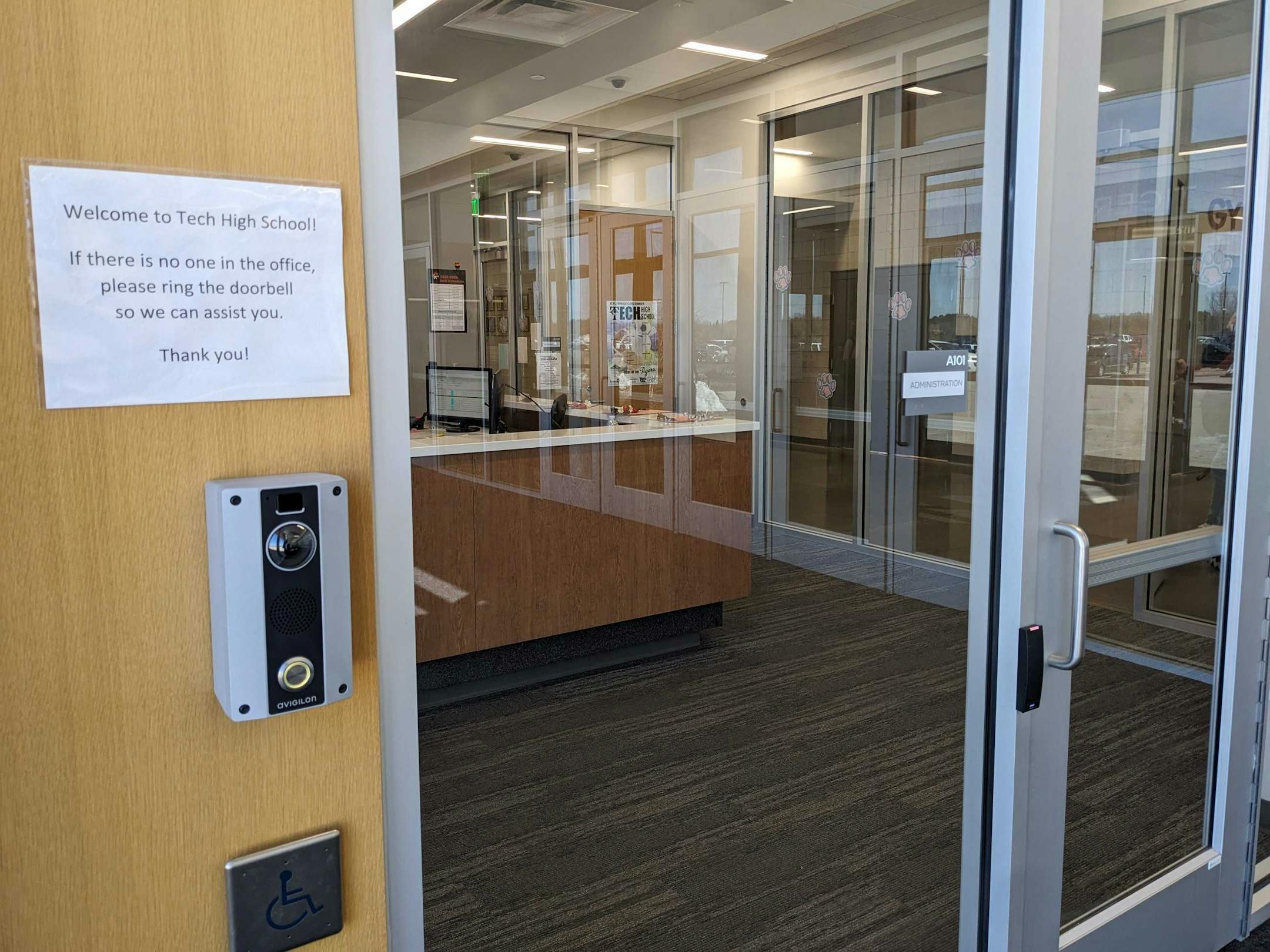
The secured entrance at St. Cloud Tech High School. (Jenny Berg/The Minnesota Star Tribune)

Reliant on bond issues

Administrators at other schools spoke of the new security features they’ve recently installed after passing bond issues, especially in farm country where the school building bond agricultural credit makes a big difference.

At GFW Public Schools in Gibbon, students moved into a new $70 million facility this fall with the latest in safety features, including distress buttons in offices and key fob-only access.

“We want to make sure our kids are safe,” Superintendent Allen Berg said. “That is the ultimate item to spend money on.”

Secure entrances are a major focus of Mankato Area Public Schools’ $105 million of construction projects over the past two years. And the same goes for Yellow Medicine East, where voters passed a $74 million bond issue this summer.

Sam Walseth, a lobbyist for the Minnesota Rural Education Association, said that in advocacy sessions with rural districts in recent weeks, many of them said they favor a state spending priority on personnel, including social workers and counselors.

“The hard truth about a lot of this is there’s only so much you can do when you’re talking about battling against high-powered rifles,” Walseth said. “We’re not going to turn our schools into prisons and fortresses. ... But there are a lot of things we can do trying to minimize situations.”

More than a decade ago, Duluth’s 13 public schools were renovated with heightened security in mind during a major building project. But updates continue to be needed. Often, school PTAs fund improvements, such as security film affixed to glass so people can’t see into lobbies.

“People will say, you can’t just throw money at a problem,” said Danette Seboe, who leads the district’s crisis response team. “This needs money thrown at it. Securing buildings is incredibly expensive.”

A sense of community and connection is the ultimate deterrent to every school’s worst nightmare, said district officials from across the state.

Proctor Superintendent Tim Rohweder said relationships with students are just as important as physical security.

He said his district increased the hours of its sole SRO and looks to update its surveillance system. Rohweder has also directed staff to go through class lists and indicate with a dot the students they feel they have good relationships with, he said.

“Then we find the ones that don’t have any dots,” he said, and figure out how to connect with them.

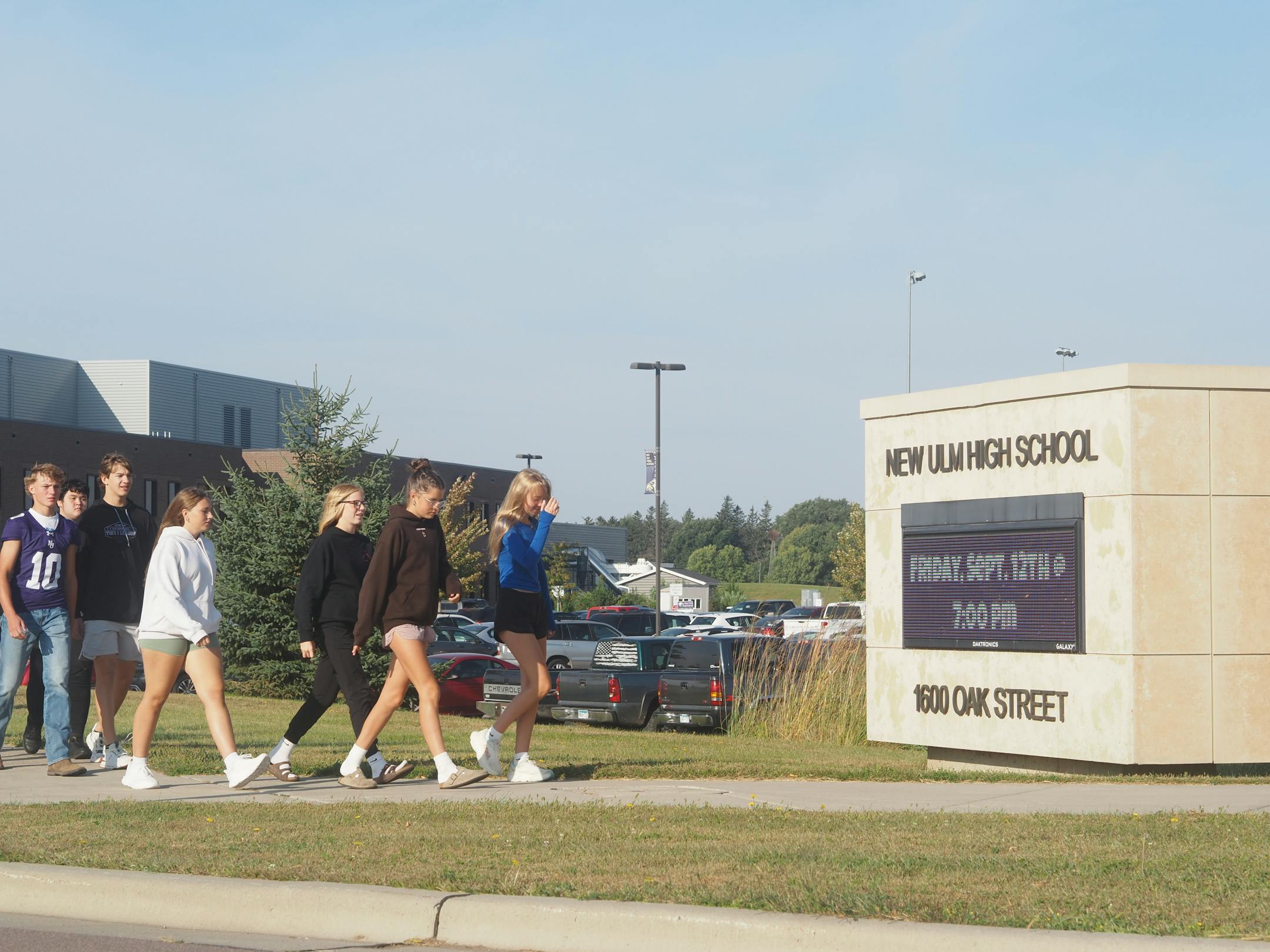
Some 750 high students at New Ulm Public Schools walk during a relocation drill on Sept. 12, 2025. The students moved to a civic center, where in a real emergency they would reunite with their loved ones. (Jp Lawrence/The Minnesota Star Tribune)
about the writers

about the writers

Kim Hyatt

Reporter

Kim Hyatt reports on North Central Minnesota. She previously covered Hennepin County courts.

See Moreicon

Jana Hollingsworth

Duluth Reporter

Jana Hollingsworth is a reporter covering a range of topics in Duluth and northeastern Minnesota for the Star Tribune. Sign up to receive the new North Report newsletter.

See Moreicon

Jp Lawrence

Reporter

Jp Lawrence is a reporter for the Star Tribune covering southwest Minnesota.

See Moreicon

Jenny Berg

St. Cloud Reporter

Jenny Berg covers St. Cloud for the Star Tribune. She can be reached on the encrypted messaging app Signal at bergjenny.01. Sign up for the daily St. Cloud Today newsletter at www.startribune.com/stcloudtoday.

See Moreicon

More from Greater Minnesota

See More
card image
Leila Navidi/The Minnesota Star Tribune

Friday’s morning commute and weekend travel could be impacted by the snow.

card image
card image