In the span of 12 hours Monday, from midmorning to near midnight, Minneapolis Police Chief Brian O’Hara trudged to city scenes covered in blood and bullet casings.
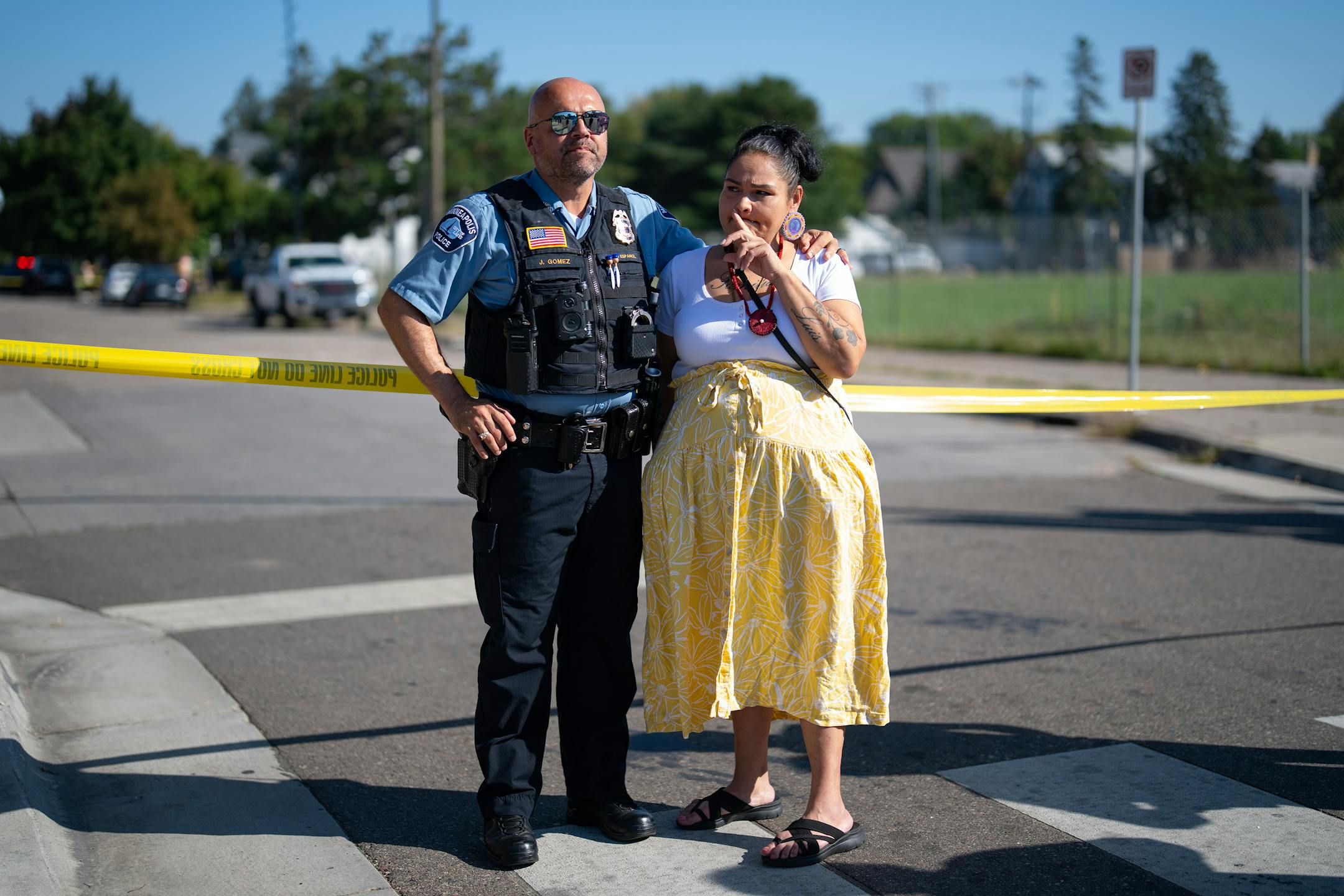
Just 2 miles apart on Lake Street — an area long the vibrant immigrant-dense commercial corridor of Minneapolis — 12 people were shot in spaces where the homeless, drug-addicted and destitute congregate.
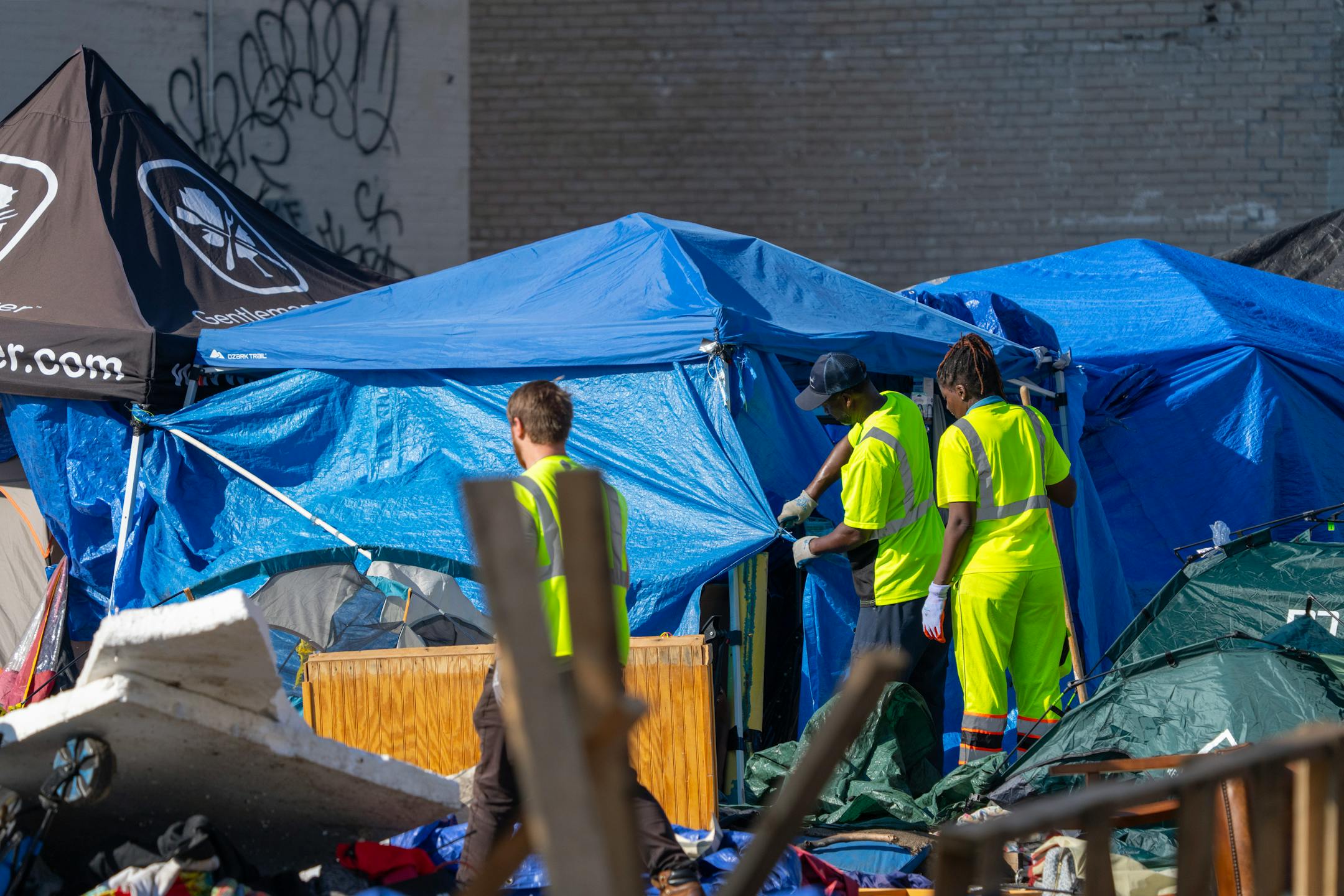
One of the shootings took place near the Interstate 35 exit ramp where drug dealing and drug use are carried out in broad daylight. The other shooting took place at an unauthorized homeless encampment on the property of Hamoudi Sabri, a prominent Minneapolis landlord who has defied city officials and refused to shut it down.
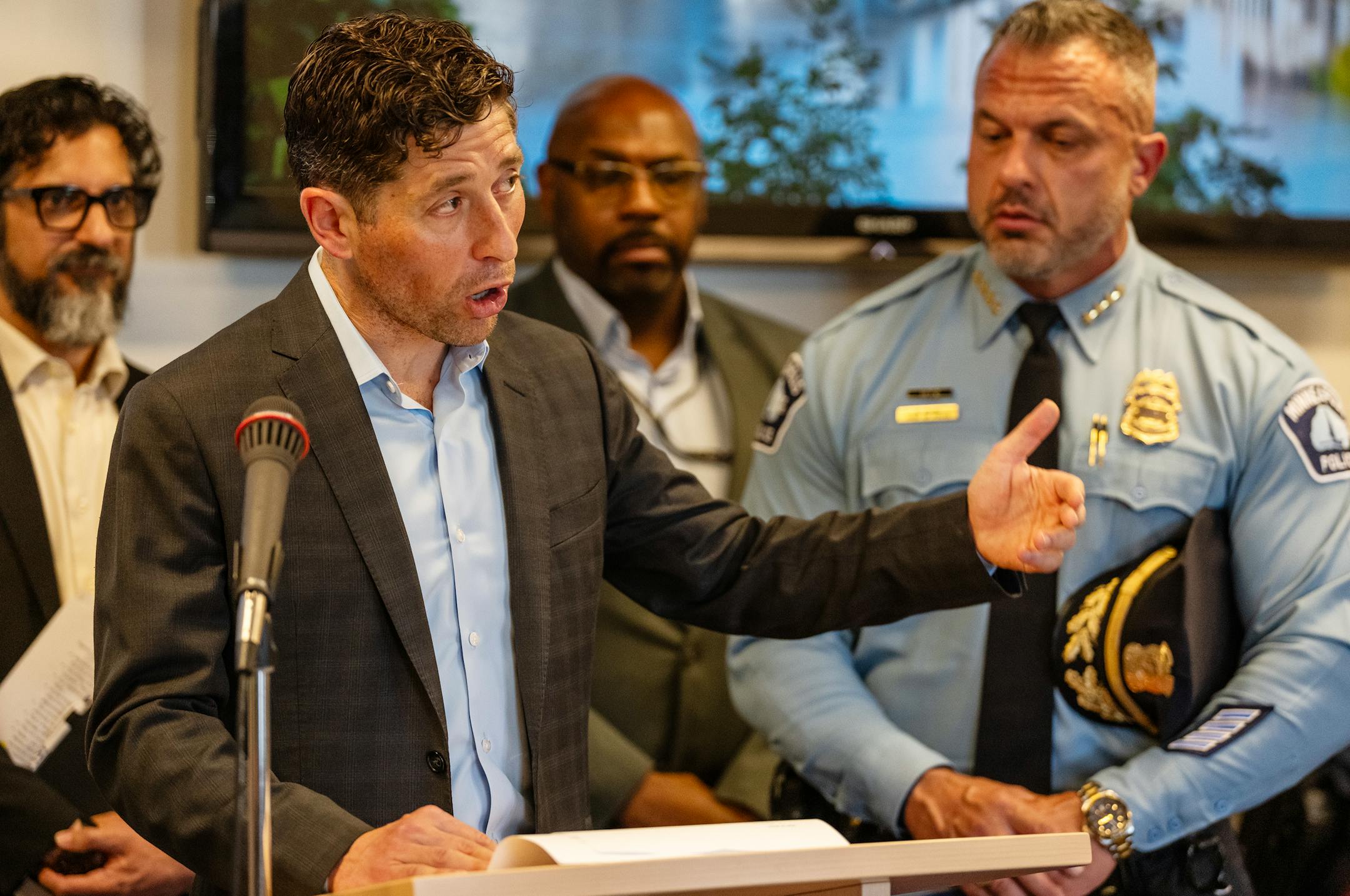
“This is not normal,” O’Hara said of the violence.
Recent evidence seems to contradict him.
Over the weekend, three additional shootings in the city left two dead and two injured. Three weeks ago, just blocks away from Monday’s shooting near I-35, one man was killed and six others were injured in a midday shooting near Cristo Rey Jesuit High School where about 30 rounds were fired from a high-velocity .223-caliber gun. One day later, a shooter fired into Annunciation Catholic Church during a back-to-school Mass, killing two children and injuring 21 others. The shooter died by suicide.
Tidy blue and green ribbons honoring those victims remain wrapped around trees and light poles in wide swaths of the south side, physical remainders of the recent bloodshed in the city.
City leaders have tried to bolster the city’s image after the pandemic and unrest that followed George Floyd’s murder by touting improvements in crime statistics, community safety and redevelopment. But this month’s gun violence, a grim coda to the summer, has left them and residents alike unsettled.