
This suburb could be the first Minnesota city to hit pause on large-scale data centers

As AI fuels a boom in data centers, cities are looking for ways to regulate them. Eagan could be the first to pause new or expanding data centers to study them.

The Minnesota Star Tribune
February 17, 2026 at 7:17PM
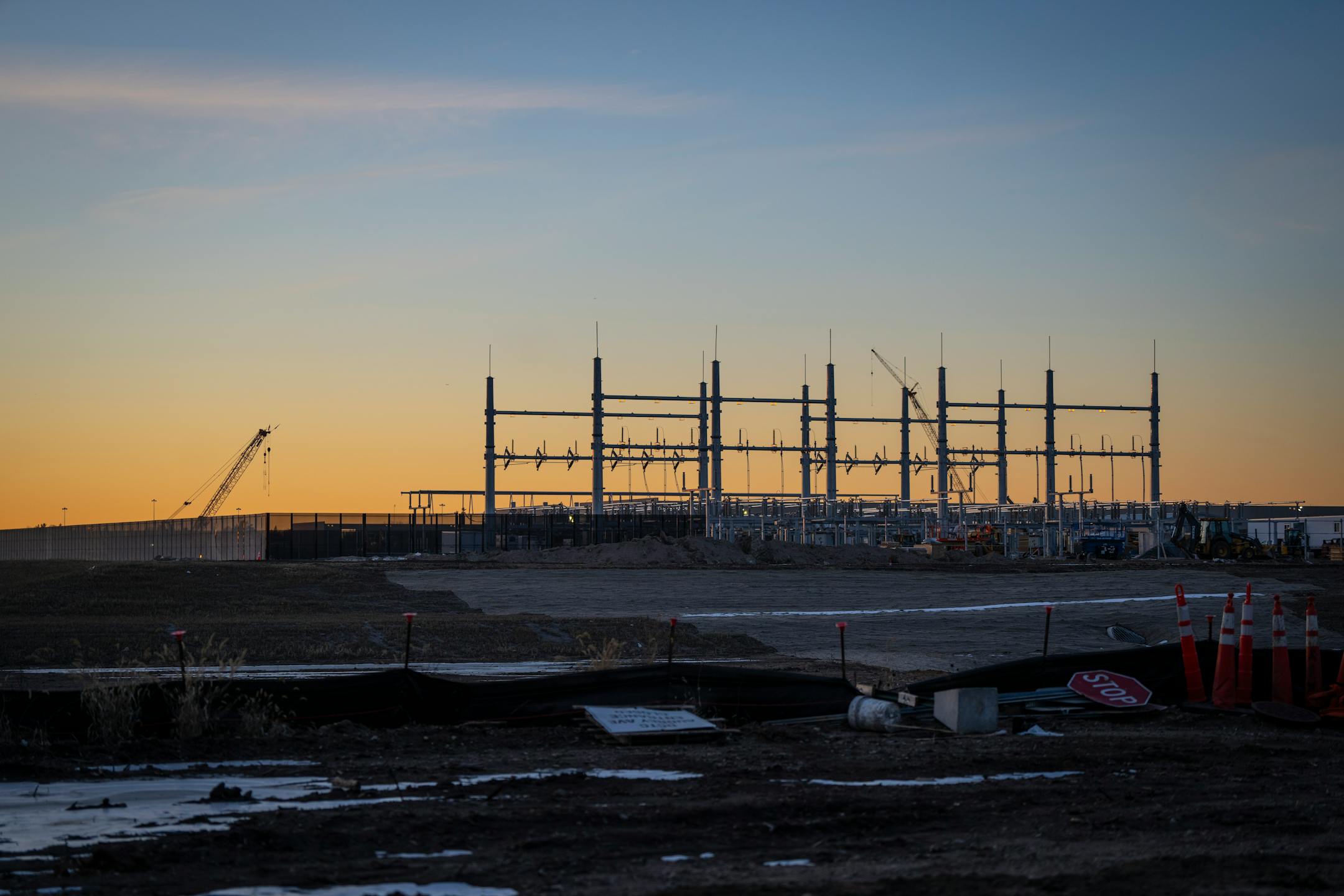
The city of Eagan may put a moratorium on new data centers, like this one under construction in neighboring Rosemount. (Renée Jones Schneider/The Minnesota Star Tribune)

Controversy over massive data centers has generated debate in city halls across Minnesota, from Farmington to Monticello to Hermantown.

Now Eagan wants to hit pause on approving any new large-scale facilities — before another proposal officially surfaces.

The southern suburb could be the first Minnesota city to enact a moratorium on data centers or cryptocurrency mining facilities based on size or proximity to residential areas.

The City Council is expected to take up the issue Tuesday, Feb. 17. The discussion comes as the tech industry’s appetite for data centers has spurred plans to build some super-sized data processing warehouses around Minnesota.

For cities, this can be a boon. Building data centers can bring jobs to a city over a period of years. The development also adds to property tax rolls, contributing to city budgets.

But neighbors often object to them. They worry about the facilities’ energy and water usage, and about the noise and sometimes light they generate.

Eagan has at least four data centers that either already exist or are in development — all of them small compared to recent proposals elsewhere. City officials began discussing data centers as residents raise questions about them around the region.

A 10 megawatt data center was once considered large, but newer facilities are reaching hundreds of megawatts with rising demand for AI and other intensive computing. More than 10 potential large-scale data centers are in various phases of development in Minnesota.

Eagan spokesperson Sara Horwath said in an email that the moratorium would apply to new or expanded facilities and not to previously approved projects — and said that the city has no pending applications for data centers or cryptocurrency mining facilities. The goal of the ordinance, she said, would be to make sure Eagan has clear standards and a transparent process.

“The City’s intent is not a permanent ban; it’s to make sure we have reasonable, legally sound standards that fit the impacts and community needs,” she wrote.

Proposed moratorium

Just south of Eagan in Farmington, residents sued the city in an attempt to stop a large-scale data center. The city signed a non-disclosure agreement with the data center’s developer, which cloaked the project in secrecy. After many heated City Council meetings where tensions flared over the plans, Farmington’s mayor resigned this month.

In northern Minnesota, more than 300 people attended a Hermantown City Council meeting to unsuccessfully protest rezoning land for a large data center there.

At a special meeting Jan. 13, Eagan Community Development Director Jill Hutmacher told the council the city has treated data centers like warehouses in terms of where they‘re allowed. Some of the city’s land that could be developed for warehouses is near residential areas.

“That’s where we start to wonder, as data centers are getting bigger and the impacts are also correspondingly larger ... is our approach of just saying a data center can go wherever a warehouse can go, is that the right approach?” she said.

The council will hold a public hearing on the proposed moratorium and vote on Tuesday, Feb. 17. It would place up to a year-long pause on data centers and cryptocurrency mining operations, which are often similar facilities, if they use more than 20 megawatts of electricity or are within 500 feet of residential land.

If the council approves the moratorium, Eagan’s could be the first in Minnesota, though they are becoming increasingly common in other states, media reports show.

Drew Johnson, senior vice president of development for Oppidan, a property development firm that is building a data center in Eagan, said any moratorium could have a chilling effect on development. He noted other cities have updated zoning requirements for data centers without pausing approval or expansion.

He said Oppidan would be concerned if Eagan prevented it from building additional phases of its data center within the approved and constructed shell.

Jon Althoff, president of the Dakota County Regional Chamber of Commerce, said he thinks Eagan’s discussion is an outgrowth of the data center debate in Farmington.

He said the chamber supports data center development. But, he said, the Dakota County Regional Chamber also supports Eagan if it decides to pause and study them.

“We believe they’ll end up at the same place that Rosemount and Farmington ended up,” he said, with ordinances, based on what they learn through research, that support data center expansion.

Data center regulations

Last year, Minnesota legislators struck a deal for new regulations on data centers.

Those measures preserved many lucrative tax breaks, but required data centers to consider water conservation if they plan to use more than 100 million gallons per year for cooling.

If data centers require new power plants, the regulations say the cost of building them can’t fall on public utility customers. Data centers are also required to help pay for energy conservation programs for low-income people.

So far, estimates for proposed data centers’ water use hasn’t been nearly as dramatic as their electricity needs, which could surpass the usage of every home in the state.

More legislation could come. This legislative session, the Minnesota Center for Environmental Advocacy and partner organizations are pushing for a statewide moratorium on data centers so Minnesota could study a centralized permitting process for the facilities, said Kathryn Hoffman, the organization’s executive officer.

Hoffman said an Eagan moratorium will likely lead to a patchwork of local moratoriums across the state, which she said makes sense for local governments but complicates the overall picture without solving broader problems around secrecy and environmental studies.

“We don’t have a permit for data centers right now. There’s no state agency that says, OK, we approve you operating a data center and it’s under these circumstances and here are some guardrails you have to follow,” she said.

about the writer

about the writer

Greta Kaul

Reporter

Greta Kaul is the Star Tribune’s built environment reporter.

See Moreicon

More from Twin Cities Suburbs

See More
card image
Renée Jones Schneider/The Minnesota Star Tribune

As AI fuels a boom in data centers, cities are looking for ways to regulate them. Eagan could be the first to pause new or expanding data centers to study them.