

A company has halted two large-scale data center projects in Minnesota, saying the state would take too long to permit backup generators.
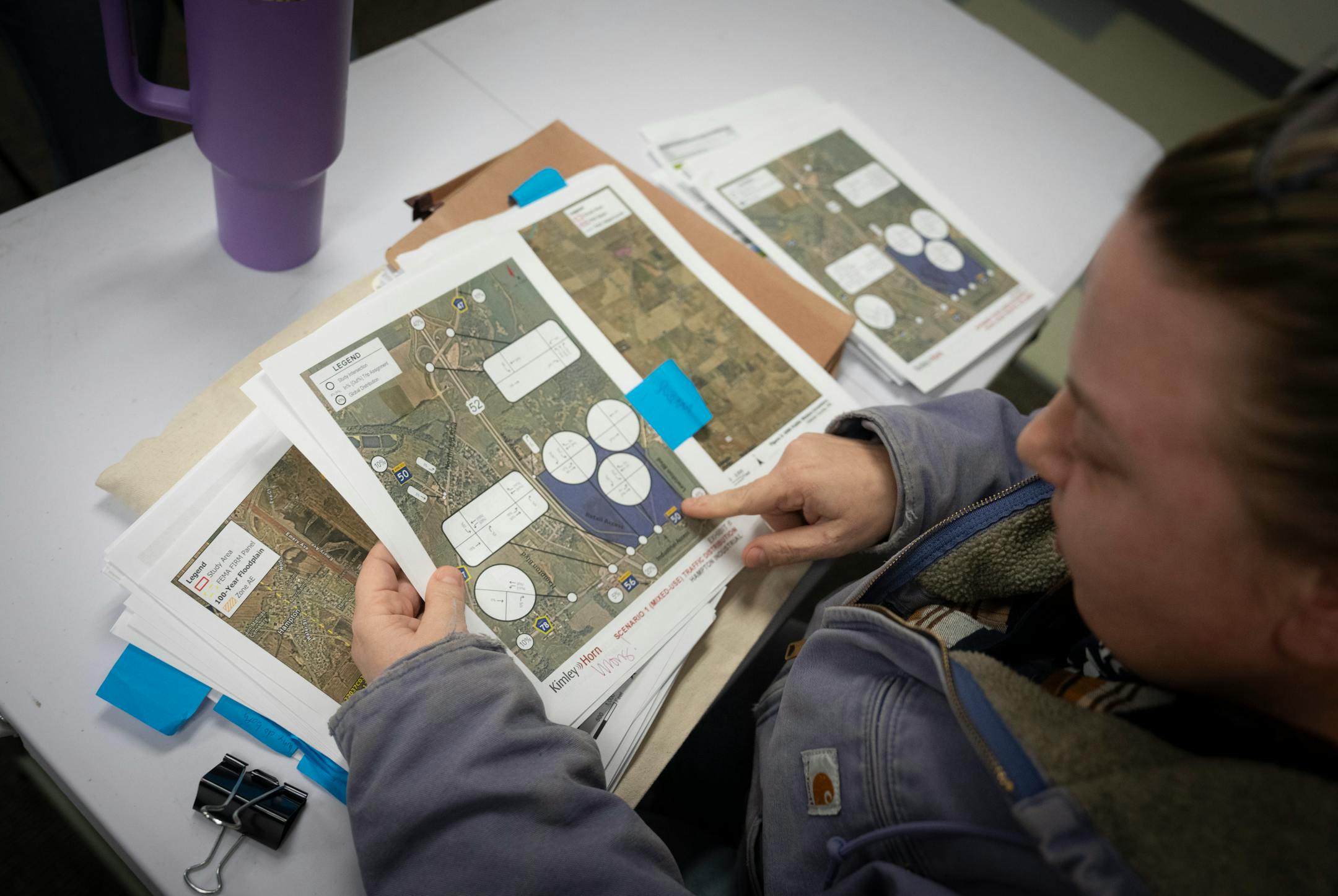
Excelsior-based Oppidan has paused work on data centers in North Mankato and the small city of Hampton in Dakota County. While the company is moving ahead with a data center in Apple Valley, the announcement signals that concerns over Minnesota’s regulatory climate will slow an industry that had been poised for explosive growth in Minnesota.
In May, Amazon abandoned plans for a multibillion-dollar data center in Becker after Minnesota utility regulators ruled the company must get a major state permit for power infrastructure to install 250 diesel generators. Amazon cited uncertain development timelines for permitting and other issues for halting the project.
“For context, data center permitting in California is shorter than Minnesota,” said Drew Johnson, senior vice president of development for Oppidan, in a written statement. “We know because we’ve delivered hyperscale projects in California.”
Minnesota has no large-scale data centers, but even without the two Oppidan projects, more than a dozen major data centers have been proposed in Minnesota to help Big Tech grow its artificial intelligence products and cloud computing muscle. Forum News first reported that Oppidan halted the projects.
The influx of data centers has sparked debate over whether the facilities will help or hurt Minnesota’s ambitions for a carbon-free electric grid. Some data center projects have drawn local controversy for their proximity to houses, potential water use and secrecy. Backers of data centers say they bring construction jobs, tax revenue and, potentially, lower electric bills for everyone.
The Minnesota Legislature approved a package of ground rules for the burgeoning industry. The laws impose new rules on energy and water consumption and other measures meant to shield utility customers from paying for the costs of supplying power to data centers.
Lawmakers also extended lucrative sales tax exemptions, for computers, servers, software, cooling and energy equipment that were set to expire in 2042. But the Legislature eliminated a smaller subsidy, a tax break on buying electricity.




![Frosted Birch trees reach for the sky on a bitter cold morning in December. ] Minnesota -State of Wonders, Arrowhead in Winter BRIAN PETERSON • brian.peterson@startribune.com
Grand Marais, MN 2/14/2014](https://arc.stimg.co/startribunemedia/6ZXHG4LKYMULX4MFGGBDRWW2GE.jpg?&w=252&ar=3:2&fit=crop)