Anderson: Wolves, eagles, rodents — gut piles left behind by successful deer hunters draw big crowds

A U of M study involves camera-toting hunters who document what happens to awful “offal” — or gut piles.

Columnist Icon
The Minnesota Star Tribune
December 5, 2025 at 8:25PM
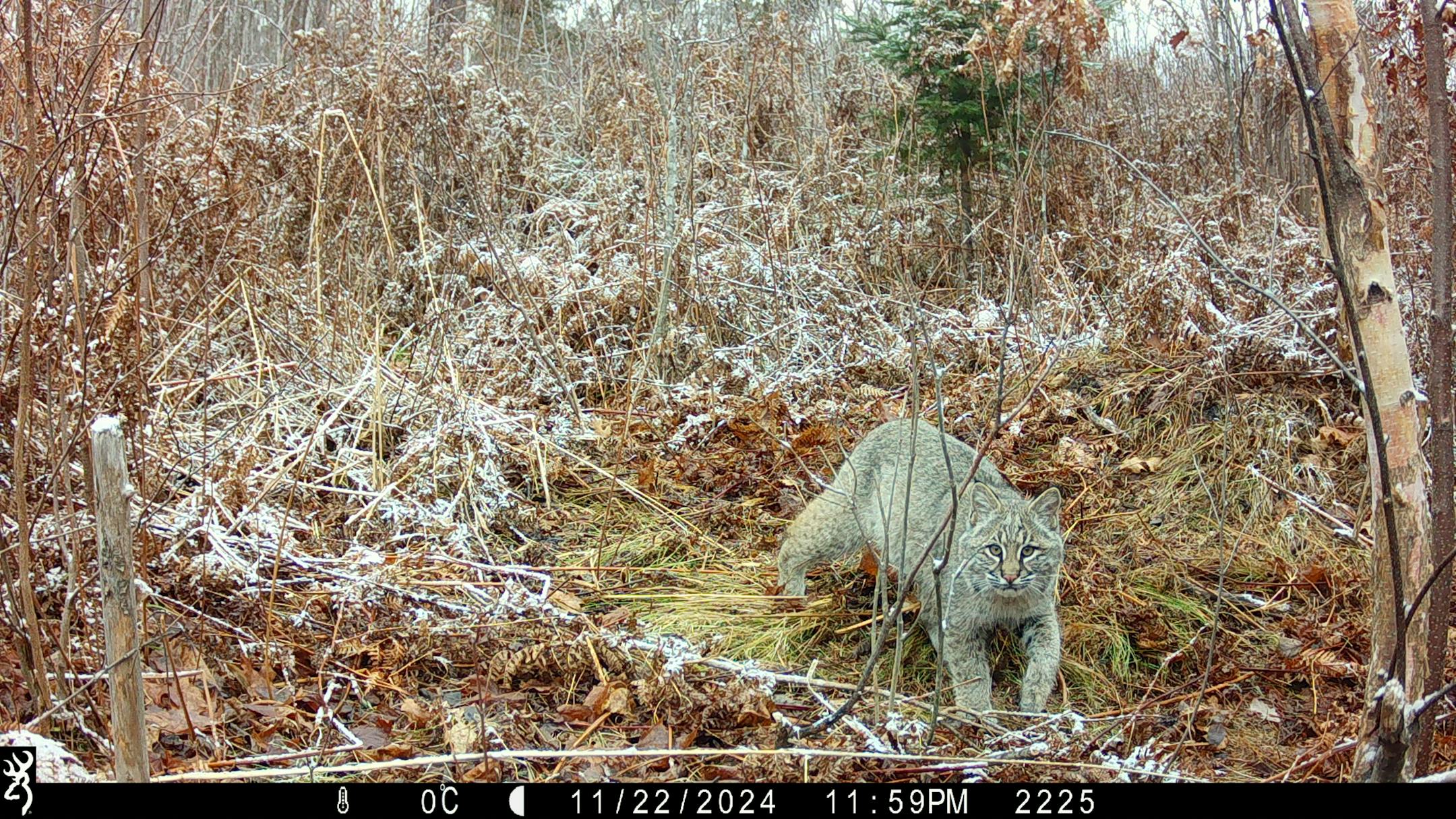
A bobcat captured on a trail cam was one of a menagerie of animals feeding on the gut piles left behind by deer hunters. (Provided)

Last month, Erv Berglund leveled his scoped handgun in the direction of a whitetail buck on northern Minnesota land his dad bought in 1933.

Only scantily populated with deer, the property is about 60 miles south of the Canadian border. Aspen, spruce, birch, fir and black ash cover its higher ground, and swamp frames the rest.

As long as he can remember, Berglund has felt at home here, and together with his brother, son-in-law, grandson, nephew and a few others, he welcomes each fall the opportunity to climb into a deer stand before daylight and stay there until after dark.

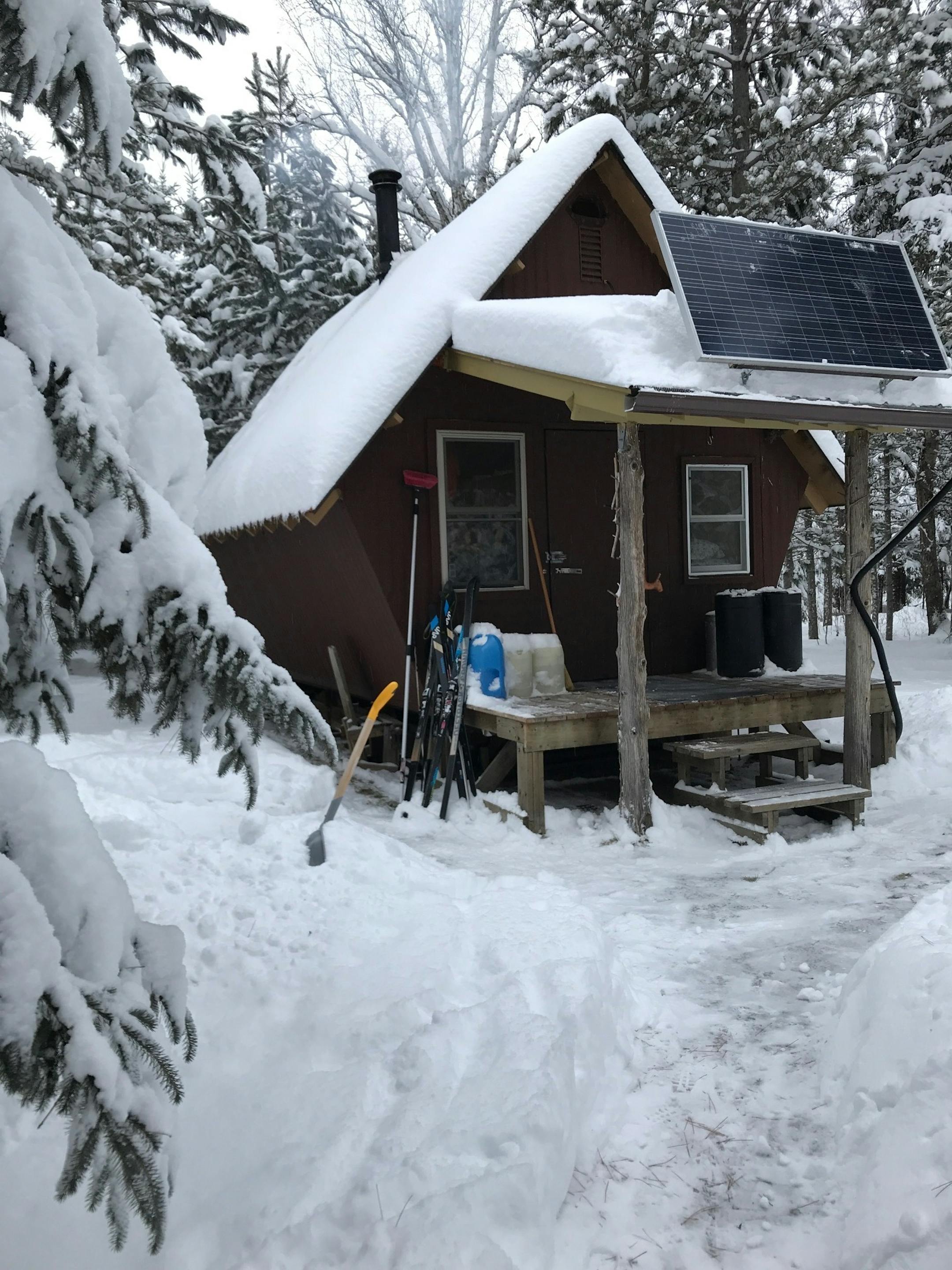
“My dad had a hunting shack on the land, but eventually a beaver built a dam nearby, which flooded the area, and the shack dissolved into the ground,” he said. “I built a new shack in 1981, 10 by 20 with no inside walls. Best part of it is, I’ve never had a mouse in it! Not one.”

Chambered for .338 Federal, Berglund’s handgun fell easily into place as he steadied it on the railing of his tree stand. Finding the buck in the scope’s reticle, he squeezed the trigger, sending a copper bullet toward its target.

The shot shattered the morning’s chilled quiet, and slid the 8-pointer akimbo into fresh snow.

A former long-range competitive silhouette marksman, Berglund had dropped the buck at 95 yards.

No small feat at any age, and perhaps especially so at 82.
Yet the interesting part was just beginning.

Pulling a trail camera from his pack as he approached the felled animal, Berglund affixed the camera to a tree. The plan wasn’t to capture a hero shot, as proud hunters often do, clutching their bounty.

Instead, Berglund focused the camera on the gut pile he would leave behind after field-dressing the deer.

Along with about 180 other deer hunters throughout Minnesota this fall, Berglund is a volunteer in a study called the Offal Wildlife Watching project. Headquartered at University of Minnesota Extension and funded by $563,000 of Environment and Natural Resources Trust Fund — lottery — money, the inquiry aims to document the number and species of critters that feast on a deer’s offal, or gut pile.

“Minnesota has about 3 million pounds of food left on the landscape every fall when deer hunters field-dress their animals,” said Grace Milanowski, the study’s coordinator. “We want to better understand which scavengers eat the offal, and how it affects various food webs across the state.“

Besides obvious nutritional benefits — more than 60 critters have been identified at gut piles so far — the free lunches might mean the difference for some species between surviving winter or not.

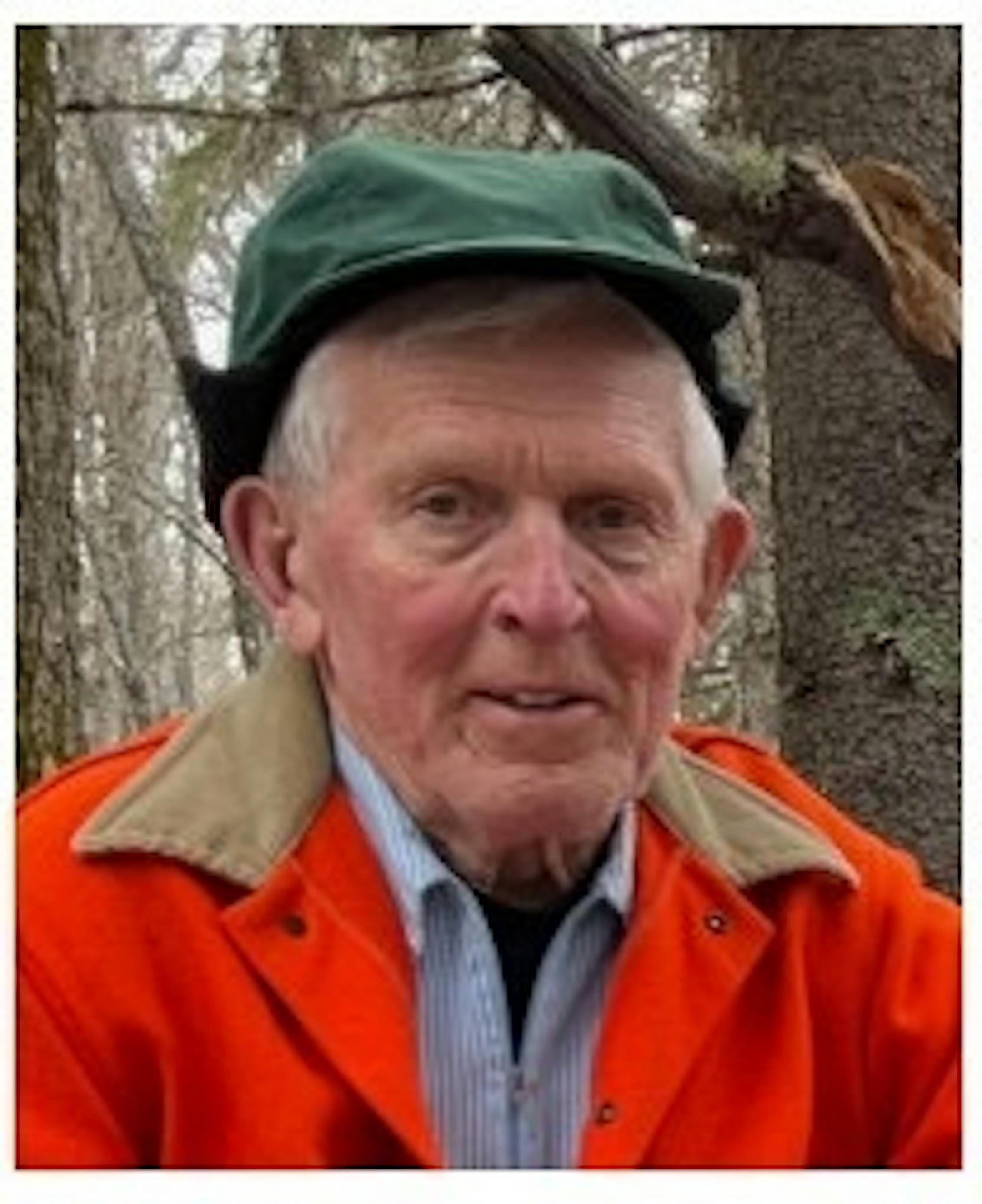
Erv Berglund (Provided)

A retired Department of Natural Resources hydrologist, Berglund is a detailed observer of the natural world and has been one of the study’s hunter-volunteers nearly since its outset in 2018.

“We don’t shoot many deer as far north as we are — my nephew hasn’t shot a deer in 10 years," he said. “But when we do get one, it’s been a real kick with the camera seeing which animals come to the gut piles.”

Milanowski loans trail cameras to some participating hunters, while others use their own cameras. In both cases, only still images — not video — are taken.

Sometimes hungry visitors to gut piles are large, like bears. Other times small rodents move in to munch what they can without being eaten by a fellow scavenger, such as a barred owl.

Since the program’s inception, more than 400,000 images of opportunistic wildlife have been submitted by hunters.

Because the photos vastly surpass the processing capacity of the study’s small staff, Milanowski depends on volunteers who connect to the program through Zooniverse, a website that links researchers to volunteers.

“We have about 10,000 folks throughout the world who help us through Zooniverse to classify and identify species in the photos,” she said.

Where Berglund hunts, black-capped chickadees are usually the first to appear at gut piles.

“Then the jays show up, followed by ravens and bald eagles,” he said. “I’ve had one picture that showed four bobcats at a kill site. We don’t have coyotes that far north, or bears, because they’re usually already hibernating. But fishers show up. And, of course, wolves. One year a pack of wolves came in and wiped out a gut pile by themselves.”

Wolves, Berglund said, have forever been a part of the hunting scene at his shack.

“But they haven’t really been an issue for us until recently,” he said. “With all the logging that’s going on, winter habitat areas for deer up north are becoming too small for wolves and deer to co-exist. You have to have large enough areas for both to make it through a winter.”

Berglund’s preference for copper bullets has been reinforced after seeing the number and variety of wildlife species that visit gut piles.

Copper bullets remain intact on impact, while the more commonly used — and less expensive — lead bullets often fragment and can scatter in an animal’s offal and meat. As a result, some eagles and other birds die after ingesting lead from gut piles.

The large number of visitors to gut piles also underscores, Milanowski said, the disaster that could unfold if chronic wasting disease — which is prevalent among deer in some parts of Minnesota — someday proves transmissible to other species.

Erv Berglund's northern Minnesota deer hunting shack sits on land his dad bought in 1933. Berglund is a volunteer in a study on scavengers that visit gut piles left behind after hunters harvest deer. (Provided)

Berglund’s concerns are more immediate.

“I’ve still got a trail camera out there in the toolies that I’ve got to get, and I’ve got to figure out how I’m going to do that,” he said. ”Our shack is about a mile and a half from the nearest road, and bikes and skis are our main means of access."

about the writer

about the writer

Dennis Anderson

Columnist

Outdoors columnist Dennis Anderson joined the Star Tribune in 1993 after serving in the same position at the St. Paul Pioneer Press for 13 years. His column topics vary widely, and include canoeing, fishing, hunting, adventure travel and conservation of the environment.

See Moreicon