Amazon’s retreat from its planned Minnesota data center is latest ‘gut punch’ for Becker

The city’s future is intertwined with a changing energy system, and depends on an AI gold rush by the nation’s largest tech companies.

The Minnesota Star Tribune
September 9, 2025 at 11:00AM
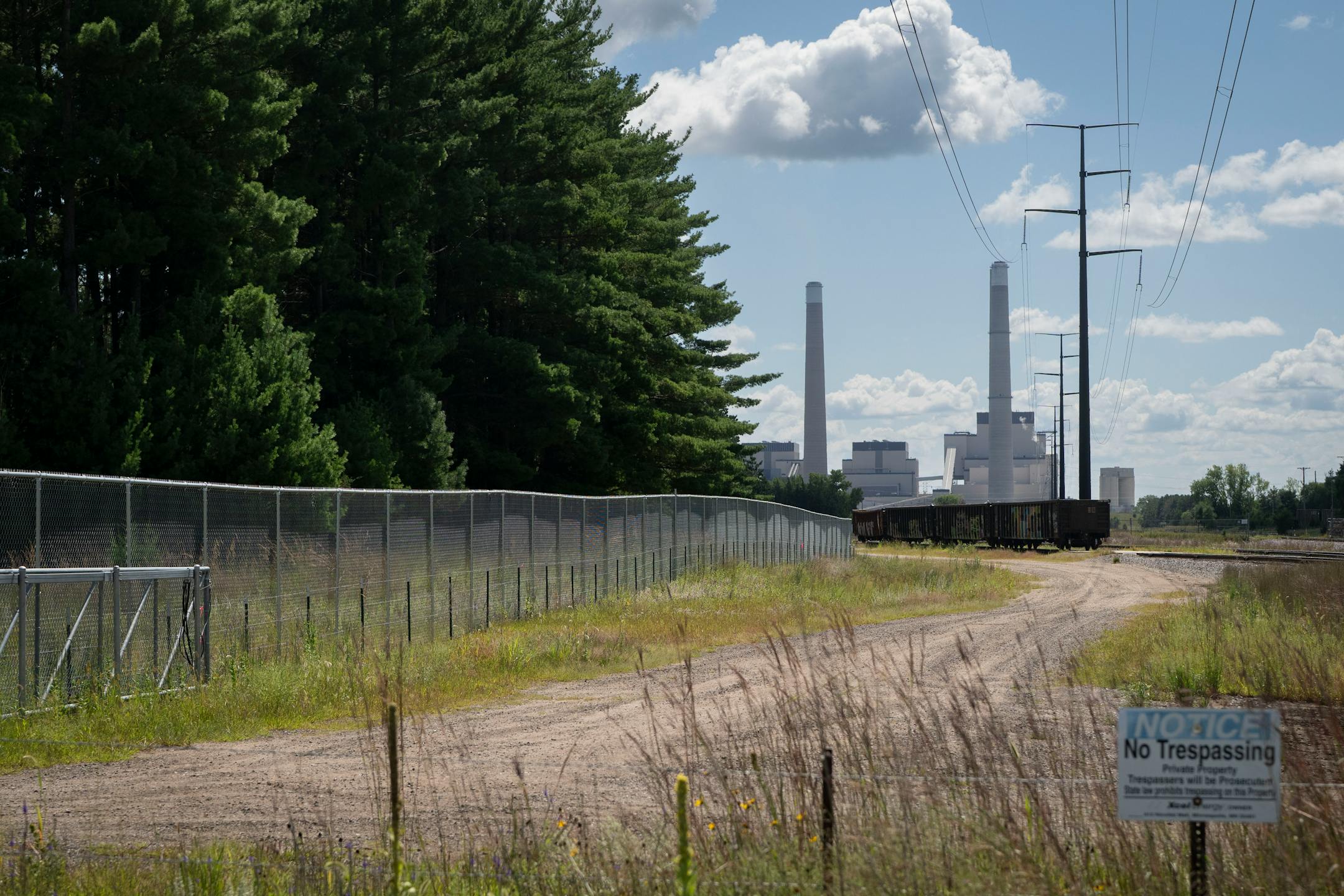
Amazon suspended its massive data center project in Becker, but it's not selling the land, pictured behind the fence. That's a worst-case scenario for the city, which hoped the data center would replace lost tax revenue from the closing Sherco coal plant, pictured in background. (Renée Jones Schneider/The Minnesota Star Tribune)

BECKER, MINN. – An expanse of pine trees grows behind a chain-link fence, close to a highway that divides Becker’s industrial zone from its houses and schools.

The hundreds of acres were supposed to host a multibillion-dollar Amazon data center, big enough to stanch the economic pain from the impending retirement of Xcel Energy’s massive coal plant.

For now, the land will remain vacant. In May, the Seattle-based tech giant abruptly halted its plans during a fight over state regulations, making the project the latest promising business venture to flame out in Becker.

“It’s a gut punch,” said Mayor Mark Kolbinger. “It’s almost, in a sense, retraumatizing.”

Perhaps more than any other Minnesota city, Becker’s fate is linked to the changes transforming the state’s energy sector.

Electricity was once a stable sector of the economy, but it has been upended by the shift from fossil fuels. A sprint by the nation’s largest tech companies to build computing infrastructure for artificial intelligence products has made the industry more speculative and volatile.

Home to about 5,200 people, the city remains hopeful that data centers can usher in new prosperity.

During a hearing at the Legislature earlier this year, Becker Public Schools Superintendent Jeremy Schmidt underscored the stakes: The Sherco coal plant is responsible for about $5 million of the district’s $12 million annual local tax income.

With that in mind, the Amazon property “is a big chunk of land out there that is really key to our future,” Kolbinger said.

Amazon comes after failed projects

Sherco has helped the city fund its essential services and schools since the 1970s, and employs more than 200 workers.

But Xcel is closing the plant in phases by 2030 as it builds wind, solar, battery and natural gas projects to meet Minnesota’s climate goals.

To ease the economic loss in Becker, Xcel, state and local officials have tried to recruit large businesses.

Xcel initially planned to build an $800 million gas plant in Becker, but dropped the idea in 2021. It’s now building more renewable power sources and a smaller gas plant in Lyon County.

In 2022, Google abandoned plans for a $600 million data center in Becker. The company gave no reason for its decision, but it predated the current data center boom.

That same year, Xcel struck a deal to sell 348 acres of its own land for $7.7 million to a company promising an enormous and lucrative data center. The buyer was chosen without competitive bidding.

Seven months after the sale closed in 2024, the buyer flipped the land to Amazon for $73.5 million. Following a Minnesota Star Tribune report on the transaction, Xcel said it was rethinking its land sale practices.

Becker Mayor Mark Kolbinger and Becker Public Schools Superintendent Jeremy Schmidt chat in the hallways at Becker High School. Slated for closure, Xcel's Sherco plant provides a substantial part of the city's tax base. (Renée Jones Schneider/The Minnesota Star Tribune)

Why Amazon bailed on Becker

Amazon’s purchase price shows how America’s tech giants will pay top dollar for land and access to electricity. It also shows they will walk away from a project if conditions change.

A series of policy decisions in Minnesota made the landscape less attractive for data centers.

Amazon argued its backup diesel generators at the Becker site shouldn’t need a major state permit, but state utility regulators ruled against the company. Some DFL legislators blocked Amazon’s effort to change that law.

Minnesota lawmakers also agreed to scale back tax breaks for the data center industry. Legislators were debating the enactment of tougher rules for energy and water use, among other regulations. (Only some of those rules became law.)

In its May announcement, Amazon said its timeline for getting permits and its utility needs was “more uncertain than originally projected.”

Shortly after, Amazon announced plans for data center campuses in North Carolina and Pennsylvania.

Xcel said Amazon told them the decision was not related to “our readiness to serve the site’s electricity needs,” said spokesman Theo Keith.

Becker City Administrator Greg Lerud said Amazon’s decision “came out of the blue.”

The tax income from Amazon’s data center would have nearly filled the hole left by Sherco. The data center would also have been a significant employer, Lerud said. Construction would have taken about eight years, said Kolbinger, the mayor. That’s long enough that he hoped some builders would live in Becker and enroll kids in local schools.

The city envisioned a tech incubator to foster the ideas of Amazon employees.

The energy use, water use and noise of large-scale data centers have caused a backlash in some Minnesota communities. In Becker, officials say the Amazon location was ideal because it was in an industrial zone.

Lerud said with smaller projects the city is working with people who are “calling the shots,” like the owner of a business. That wasn’t the case with Amazon.

“It’s impossible for people like us to know how they’re thinking because it’s on such a different scale,” Kolbinger said.

Becker’s land in limbo

Amazon may also block competitors from using what is a prime site for data centers because of its proximity to Xcel’s electric infrastructure.

The company initially planned to keep its Becker land. In recent talks with the city, however, Amazon has “left the door open slightly” for selling at least some of it, said Jacob Sanders, Becker community development director.

“I don’t think they’re just going to let it go to anybody,” Sanders said. “For the right person, the right price.”

In a statement, Amazon spokesman Duncan Neasham said “the company is discussing the site’s future with local officials and is supportive of efforts that would advance economic opportunity and benefit the community.”

Clean energy grows in Becker

Becker has had some success stories in the shifting energy economy.

The city has obtained state grants for communities losing major power plants.

Xcel is most of the way through building the Upper Midwest’s largest solar farm next to its coal plant and has other projects lined up, such as an experimental battery system and a major transmission line. Xcel said its development plans at the site total in the billions and have resulted in millions of dollars in local benefits, including property taxes.

Northern Metal built a recycling facility in the city after moving from Minneapolis.

Microsoft has also purchased Xcel land in Becker for a potential data center, though the company has not said publicly how big it might be and disclosed little about its intentions.

There is other land near Sherco, though Keith said Xcel isn’t actively marketing its property there for data centers.

Still, Becker wanted the Amazon project enough that Schmidt, the superintendent, and city officials traveled to the Legislature several times to advocate for data center development.

“Xcel remade our community in the 70s when they came here,” Kolbinger said. “I think [Amazon] would have been on the same scale.”

Correction: A previous version of this story incorrectly described a coal plant's contribution to the local school district's budget. It is 40 percent of the school district's local tax income.
about the writer

about the writer

Walker Orenstein

Reporter

Walker Orenstein covers energy, natural resources and sustainability for the Star Tribune. Before that, he was a reporter at MinnPost and at news outlets in Washington state.

See Moreicon

More from Outdoors

See More
card image
Elizabeth Flores/The Minnesota Star Tribune

Matt Privratsky said his home caught fire when a Rad Power e-bike battery overheated.

card image
card image