Challenging transgender protections. Pressuring Minnesota’s secretary of state to hand over voter rolls. And most recently, bringing legal pressure against the Twin Cities’ immigration sanctuary policies.
In the first 10 months of his presidency, Donald Trump has delivered on promises to harness the U.S. Department of Justice to bring a surge of lawsuits against states he views as opponents to his directives — with Minnesota often a target.
Minnesota has responded in the courts, with Attorney General Keith Ellison joining more than 30 lawsuits to block major parts of Trump’s agenda — many in conjunction with other states — from suing over funding freezes to Trump’s tariffs.
The flurry of filings has led both Republicans and Democrats to sharply rebuke one another for what they see as using resources toward politically motivated lawsuits. But it’s also raised questions about which of the Trump administration’s legal maneuverings are posturing, which are part of an effort to test legal boundaries — and which could have a significant impact on the daily lives of Minnesotans.
“A lot of what the Trump administration is trying to do is get states and local governments to back down,” said David Schultz, professor of political science and legal studies at Hamline University. “Where we are now is where states like Minnesota are going to try to call the Trump administration’s bluff and go to court.”
‘Sanctuary’ policies targeted
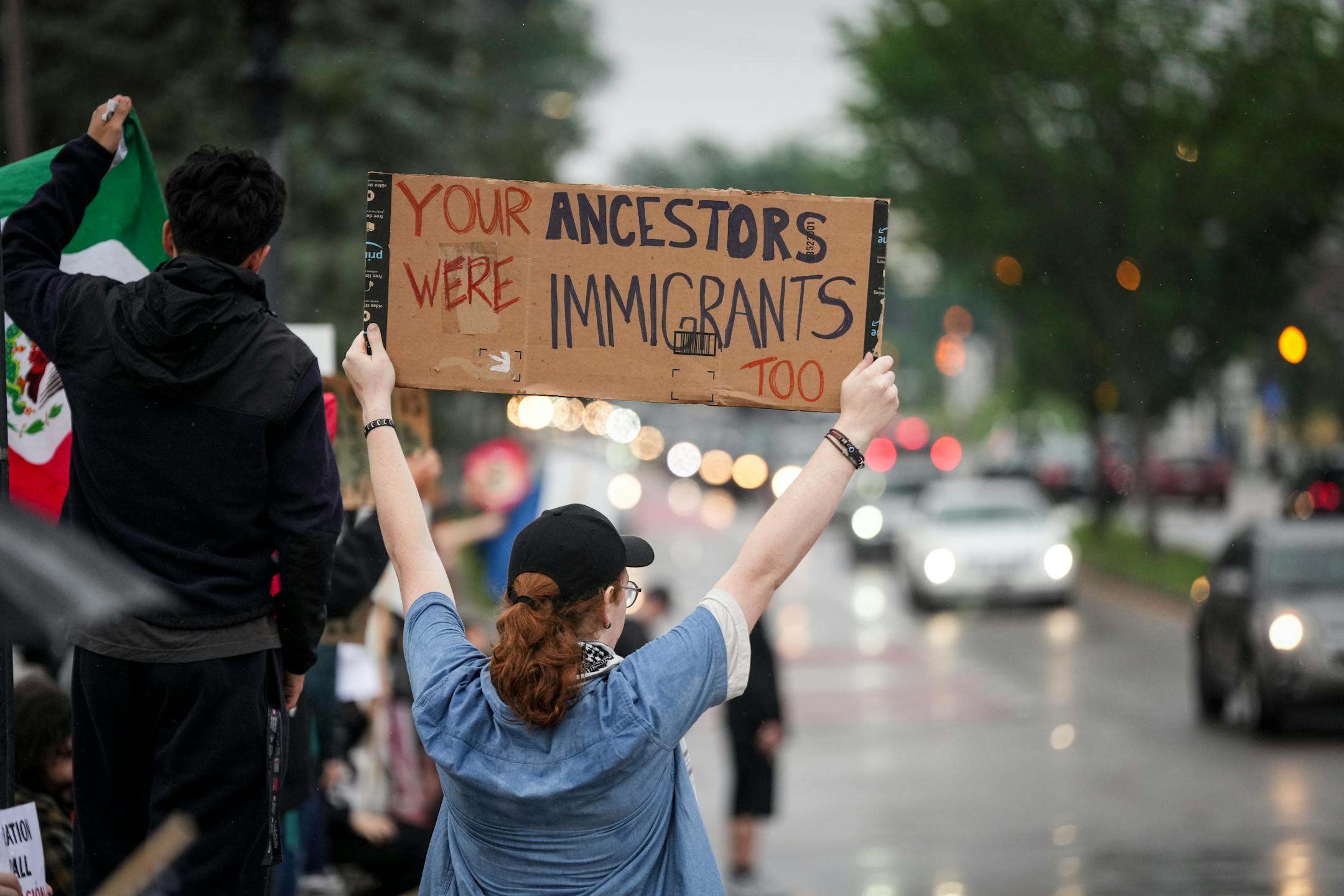
On Sept. 29, the DOJ filed a lawsuit against Minnesota, the Twin Cities and the Hennepin County Sheriff’s Office over “sanctuary” policies that limit police and jail cooperation with federal immigration agents — considered a flagship issue for Trump.
“Minnesota officials are jeopardizing the safety of their own citizens by allowing illegal aliens to circumvent the legal process,” Attorney General Pam Bondi said in a statement when the lawsuit was filed.
There is no definitive definition of a “sanctuary” jurisdiction, as the term can vary depending on the city. Minneapolis and St. Paul, both named as defendants in the lawsuit, have “separation” ordinances that limit police from asking residents about their immigration status or sharing certain data with federal immigration officials, except when required by law.