
Advertisement

Data center in downtown Minneapolis’ Sleep Number building fuels $235M sale

The deal is even bigger than RBC Gateway’s $225 million price, when its 16 floors of new office space sold in 2023. Meanwhile, other downtown office buildings are selling at major discounts.

The Minnesota Star Tribune
February 19, 2026 at 12:01PM
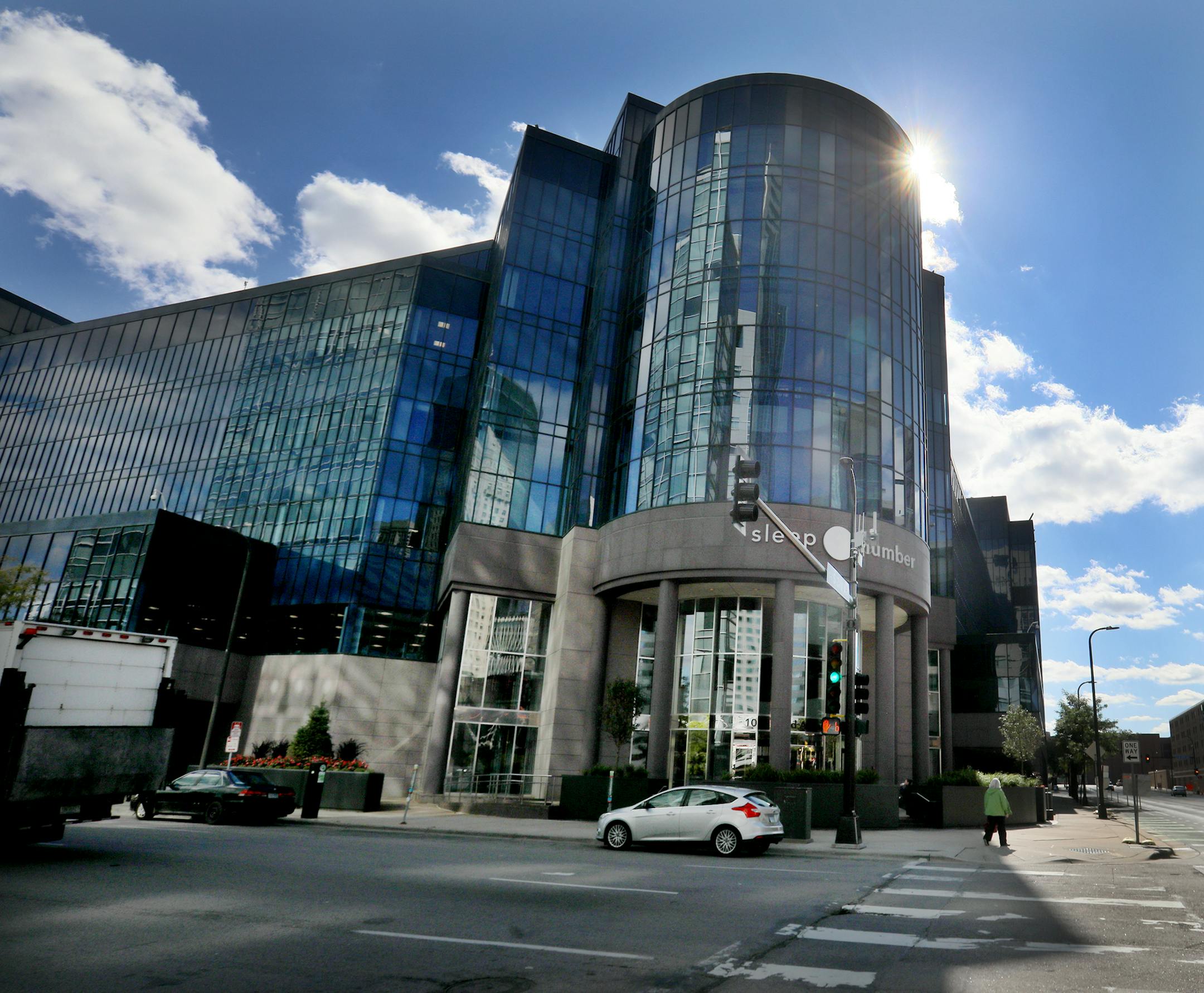
Sleep Number headquarters in downtown Minneapolis. (DAVID JOLES)
The Sleep Number building in downtown Minneapolis sold for $235 million. (The Minnesota Star Tribune)
Advertisement

Downtown Minneapolis’ Sleep Number building sold recently for $235 million, an eye-popping amount for an urban core that’s struggled with declining property values since the pandemic rocked the office sector.

The price, listed in state real estate records, is more than eight times the building’s assessed value as of early 2025. The reason for that extraordinary increase: a growing data center upgraded for artificial intelligence and cloud-computing companies.

In an era of high office vacancies, declining property values and shifting property tax burdens, data centers could be a boon for downtowns like Minneapolis and St. Paul. Big cities can offer quick access to power, an attractive draw for the facilities.

A joint venture of global investment firms — Cloud Capital, which focuses on data centers, and Arcapita, which specializes in private equity and real estate — bought the building in a sale announced Jan. 14. Legacy Investing, a Virginia-based real estate developer for emerging tech industries, had owned the mixed-use, six-story property at 1001 Third Ave. S. since 2019.

A representative for Legacy was not immediately available for an interview Feb. 18. Cloud Capital and Arcapita did not respond to requests for comment.

Many tenants have occupied the non-data center floors of the building, including namesake Sleep Number. The mattress company moved its corporate headquarters into 210,000 square feet of office space on the building’s lower floors in 2017.

Sleep Number’s sale beat the 2023 price of RBC Gateway’s 16 floors of brand-new office space. Brokers and city boosters viewed that $225 million transaction as a bright spot for the market at the time.

But those are more outliers than norms. Several other buildings in downtown Minneapolis have sold for deep discounts in the past two years because of a wave of post-pandemic office downsizings, high borrowing costs and other factors.

Advertisement

Last year’s $6.25 million sale of the 31-story Ameriprise Financial Center, for instance, represented a 97% markdown, while the 57-story Wells Fargo Center sold in late 2024 for a third of what it cost six years prior.

Ahead of Sleep Number’s sale, Legacy made substantial investments to expand the building’s data center’s capacity from about four megawatts to 21 megawatts. The company spent more than $70 million on improvements in 2025 alone, according to city records.

When the building opened in 1990, the data center was for American Express. Now, “a leading provider of sovereign AI and cloud-inferencing solutions” is leasing most of the data center on a long-term basis, according the release.

City planning documents said the new owners aim to increase the facility’s capacity to about 60 megawatts in the next 18 to 36 months by repurposing a floor of office space as a data center.

While that’s much less powerful than the massive data centers of 500-plus megawatts that tech firms are developing in rural and suburban parts of Minnesota, the buyers are betting on a growing need for more smaller data centers near urban centers. Such sites can help improve response time for uses such as high-speed trading, video streaming and self-driving cars, Legacy co-founder Daniel English has said.

A handful of other downtown property owners are exploring similar projects, including local developer Sherman Associates. Last year, the firm scrapped a $400 million plan to convert the the former Wells Fargo operations center at 255 Second Ave. S. into housing, office and retail space and started marketing the property for its underground data center.

Advertisement
about the writer

about the writer

Katie Galioto

Reporter

Katie Galioto is a business reporter for the Minnesota Star Tribune covering the Twin Cities’ downtowns.

See Moreicon

More from Real Estate

See More
Sleep Number headquarters in downtown Minneapolis. (DAVID JOLES)
The Minnesota Star Tribune

The deal is even bigger than RBC Gateway’s $225 million price, when its 16 floors of new office space sold in 2023. Meanwhile, other downtown office buildings are selling at major discounts.

card image
card image
Advertisement