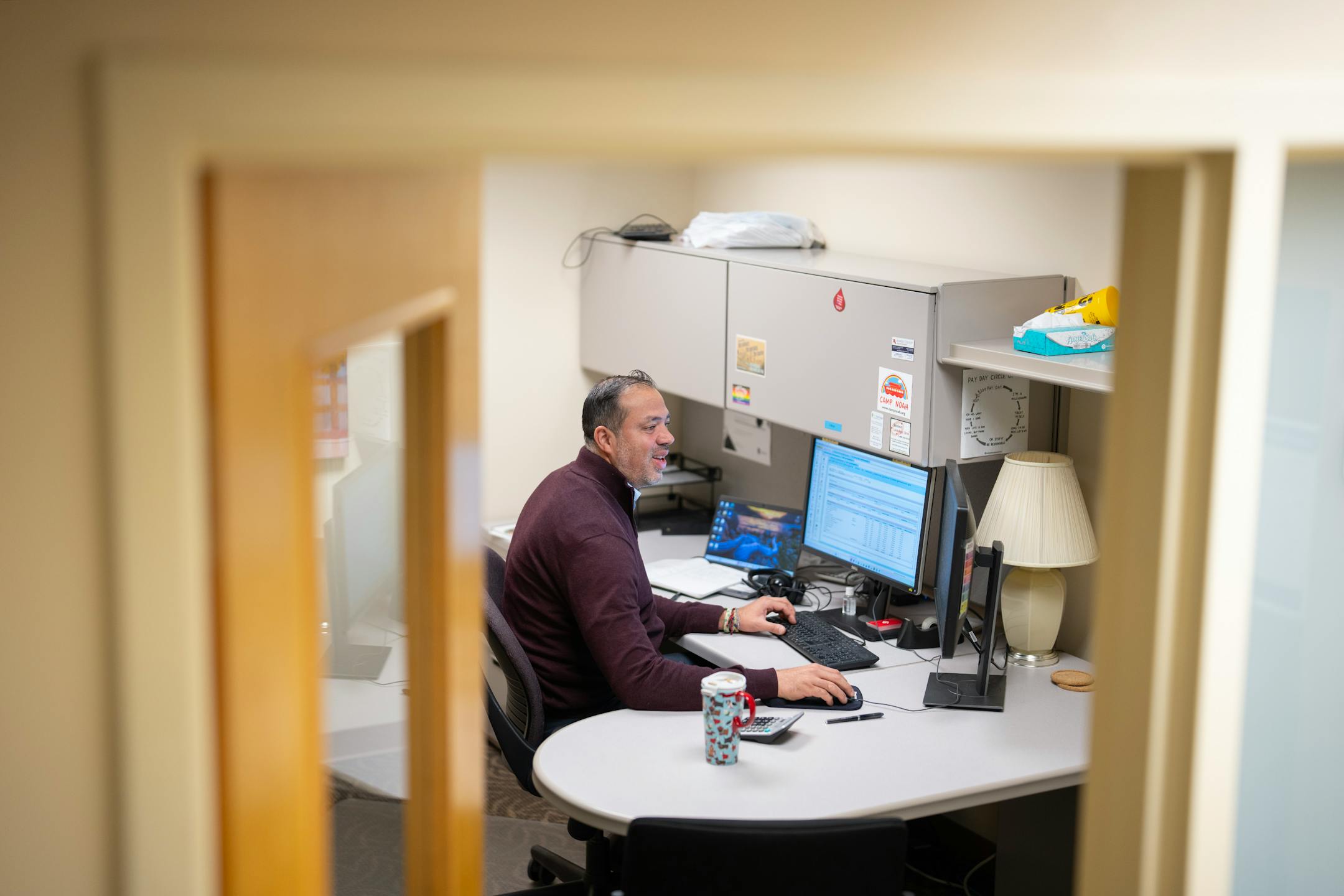
At the height of the COVID-19 pandemic, bankruptcy filings plummeted as loan payments paused, stimulus money flowed and debt loads lightened.
That’s all over now.
Bankruptcies are up across the U.S., a sign Americans are running out of road as the cost of living continues to rise. Filings in Minnesota have jumped more than 20% each of the past three years, outpacing the country as a whole.
The trend seems unlikely to slow. And after years of consumers propping up the post-COVID economy, a spending slowdown due to ballooning debt could help tip the country into a recession.
Not only are Americans struggling with the rising costs of unavoidable line items like groceries, car insurance and property taxes, but wages are failing to keep up, the job market is faltering and social safety net programs are disappearing amid federal budget cuts.
Meanwhile, the growing popularity of online lenders proffering fast cash at sky-high rates is locking more consumers in debt cycles that are hard to escape.
Total U.S. household debt rose $197 billion in the third quarter to $18.59 trillion, according to the Federal Reserve Bank of New York’s latest household debt and credit report. Of that debt, 4.5% was delinquent, up from 3.5% in the same period last year.
LSS Financial Counseling, a program of the nonprofit Lutheran Social Service of Minnesota, is seeing clients with “significantly higher” debt loads compared to the past few years, in part because interest rates have crept up, said Joanne Lundberg, financial counseling supervisor.