‘Alarming’ rate increases in Minnesota’s individual health insurance market

State lets health insurers hike premiums beyond original proposals including a 27% jump by UCare.

The Minnesota Star Tribune
October 1, 2025 at 9:08PM
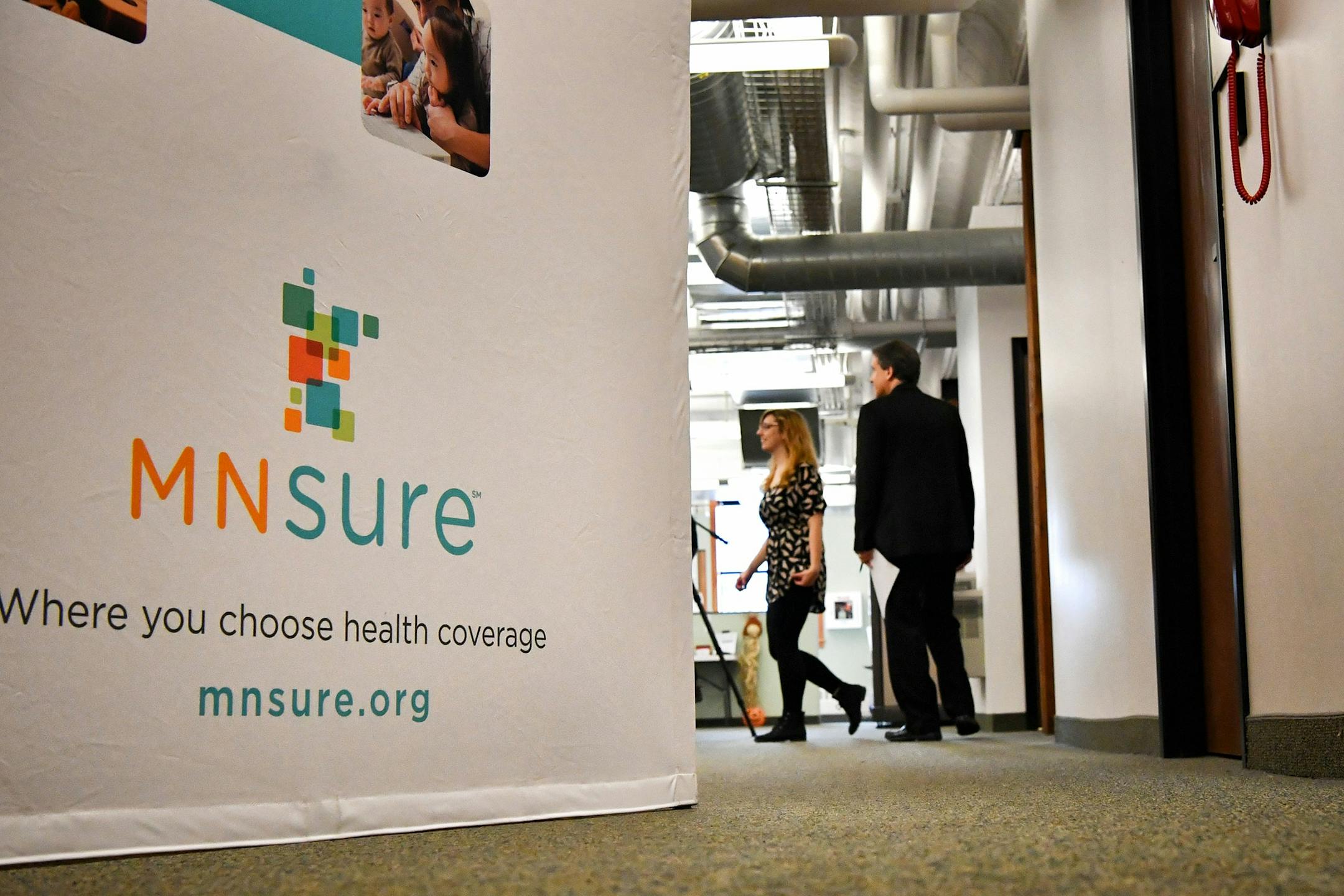
Consumers using the MNsure platform can preview individual market options for next year beginning Oct. 13. Open enrollment starts Nov. 1. (Glen Stubbe/The Minnesota Star Tribune)

Minnesota is announcing double-digit premium increases next year for people who buy health insurance on their own, including bigger jumps than what insurers originally proposed in July.

The premium increases are for “Obamacare” plans purchased through the state’s health insurance marketplace, MNsure.

The rate hikes don’t reflect additional costs about 90,000 Minnesotans will see next year if Congress fails to extend pandemic-era tax credits, which is a key sticking point in ending the government shutdown that began Wednesday.

“Minnesotans on the individual market could feel the pinch from two different directions,” Libby Caulum, the MNsure chief executive, said during a news conference Wednesday. “Rates are higher this year. And extra savings may be going away.”

Libby Caulum, CEO of MNsure. (MNsure)

In the individual market, the state Commerce Department approved average premium increases for Medica (+30.76%), UCare (+27.48%), Blue Cross and Blue Shield of Minnesota (+18.7%), HealthPartners (+13.31% to +19.15%) and Quartz Health Plan (+7.4%).

Primary drivers for the premium increases include higher prices from doctors, hospitals and pharmacies as well as expanded use of health care overall.

“Health insurance rates for 2026 are going up, and the numbers are alarming,” Minnesota Commerce Commissioner Grace Arnold said during a news conference at the State Capitol on Wednesday. “We had anticipated an increase, but what we’re seeing is a real gut punch.”

Consumers using the MNsure platform can preview individual market options for next year beginning Oct. 13. Open enrollment starts Nov. 1.

Out-of-pocket premium costs for individuals in this market often have less to do with underlying premiums than the value of federal tax credits they receive via MNsure.

Although insurers previously proposed steep rate hikes, the extra increases disclosed Wednesday by Commerce included a particularly big jump for UCare, a Minneapolis-based insurer that covers about 50,000 people in the state’s individual market.

“The market is undergoing a period of corrective price action after several years of financial losses,” UCare said in response to questions. “The increase reflects UCare’s real cost of care for our members, while maintaining a strong benefit offering, and ensures the plan remains stable and able to serve Minnesotans.”

UCare is suffering extreme financial difficulties that have forced the insurer to exit the Medicare Advantage market and pull back its Medicaid offerings.

Originally, the insurer sought to boost its individual market rates by about 15%, but regulators are letting UCare impose an average premium hike of more than 27%.

All five insurance companies in the individual market received rate approvals that exceeded their original requests partly because of worsening projections for medical spending, said Julia Dreier, the deputy commissioner of insurance at the state Commerce Department, which released the final rates. Those other plans saw increases beyond original filings of less than 5 percentage points.

“UCare assumed the market would perform better than it did,” Dreier said.

One report insurers cited projected more “adverse claims experience” than anticipated, Dreier said in an interview: “It basically means everyone is sicker and more expensive than what they originally projected.”

About 187,000 people in Minnesota buy coverage in the individual market, a critical tool to obtain health insurance for self-employed people, early retirees and those who don’t get insurance benefits at work.

Health plans for individuals, on average, will increase premiums next year by about 21.5%, Dreier said. That’s the biggest jump since 2017, when the market nearly melted down, and insurers hiked premiums in excess of 50%.

The Commerce Department on Wednesday also approved final rates in the market where small business buy coverage for about 200,000 state residents. Those “small group” premiums, for employers with 2 to 50 workers, will increase an average of 14.2%.

Employers of all sizes are bracing for higher health insurance costs.

A report this month from Mercer, a New York-based human resources consultant, found total health benefit costs per employee next year will rise an average of 6.5% — the highest increase since 2010 — even after accounting for changes employers are making to reduce costs.

Costs would increase by nearly 9%, the survey found, if employers took no action to contain costs.

“Based on the projections, 2026 will be the fourth consecutive year of elevated health benefit cost growth following a decade of moderate annual increases averaging only about 3%,” Mercer consultants wrote in their report.

The Minnesota Council of Health Plans, a trade group for the state’s nonprofit health insurers, said health care service use has accelerated significantly as medical cost inflation continues to outpace general inflation. Medication costs are a major contributor to premium growth, according to the council.

“Premiums are increasing because the cost of receiving medical care continues to rise,” Lucas Nesse, president and CEO of the trade group, said in a statement. “These increases reflect the growing financial pressures across the health care system.”

about the writer

about the writer

Christopher Snowbeck

Reporter

Christopher Snowbeck covers health insurers, including Minnetonka-based UnitedHealth Group, and the business of running hospitals and clinics.

See Moreicon

More from Health Care

See More
card image
Leila Navidi/The Minnesota Star Tribune

Following concerns that Medtronic was overspending on the high-tech system and not developing it fast enough, FDA clearance is a major victory for the Minnesota-run medtech company.

Nancy Ingham gives newborn Sophia Rash a hepatitis B shot several hours after she was born, Jan. 17, 2006.
card image