

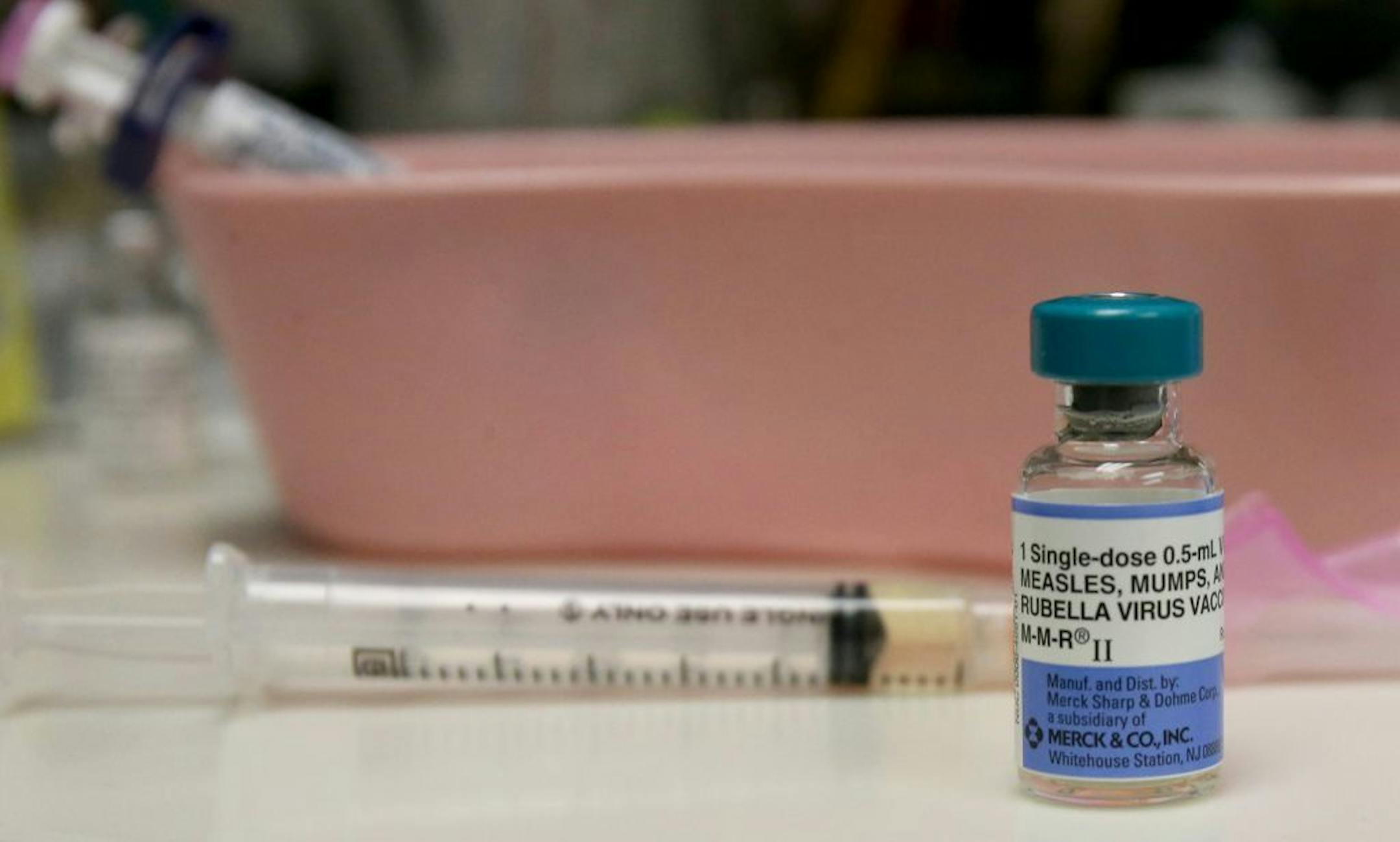
Minnesota is continuing to urge shots that protect children against 17 infectious diseases, despite a federal recommendation last week that cut the number to 11.
It’s rare for state health officials to break with federal vaccine guidance, but Thursday’s decision aligned Minnesota with professional medical organizations such as the American Academy of Pediatrics that continue to recommend a broader pediatric vaccine schedule.
“Changes at the federal level reflect policy and process shifts, not new scientific evidence,” said Jessica Hancock-Allen, director of the Minnesota Department of Health’s infectious disease control division. “The science is still the same, and the Minnesota Department of Health is going to follow the science.”
The Health Department’s decision was immediately backed by the Minnesota Medical Association, the state’s largest advocacy group for doctors, as well as groups representing the state’s pediatricians, family doctors and obstetricians.
State and federal health leaders historically have been in lockstep on vaccine recommendations, but that changed last year with President Donald Trump’s appointment of Robert F. Kennedy Jr. as the nation’s health secretary. Kennedy has long disagreed with doctor groups and the balance of medical research about the safety profile and side effect risks of some vaccines and urged the nation to limit its vaccination recommendations to the most necessary immunizations.
On Monday, he said the new CDC recommendation “protects children, respects families, and rebuilds trust in public health” and aligns the U.S. with other developed nations that also have more conservative pediatric vaccine schedules.
In response to Minnesota’s decision, HHS spokesman Andrew Nixon said in a statement that the “CDC remains the federal authority guiding immunization policy, and its recommendations are grounded in rigorous scientific review.”
The state and federal recommendations agree on immunizations against diphtheria, tetanus, pertussis (whooping cough), Haemophilus influenzae type b, pneumococcal disease, polio, measles, mumps, rubella, human papillomavirus (HPV) and varicella (chicken pox).


