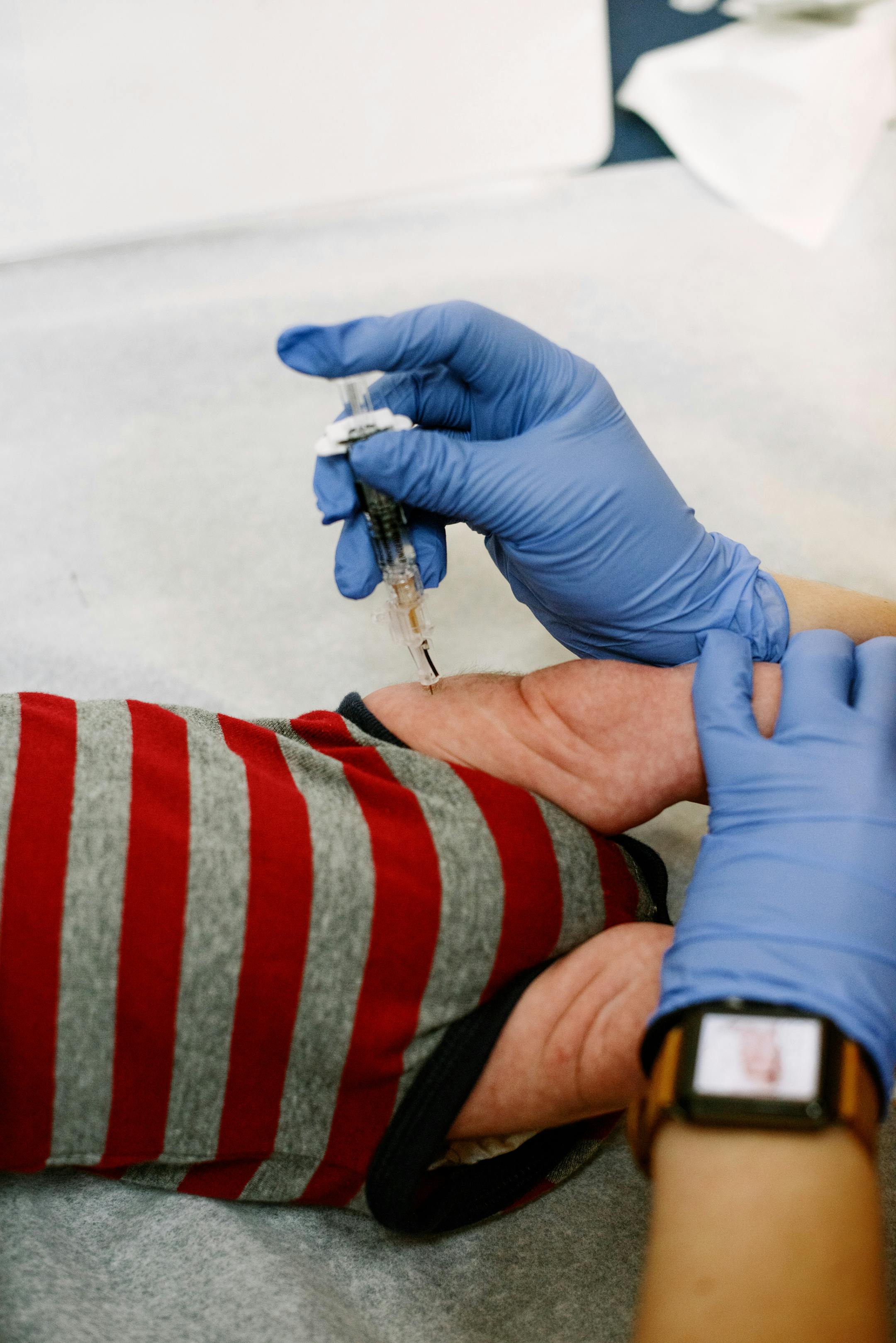
A University of Minnesota-led review is urging federal health advisors to maintain a longstanding immunization strategy that has hepatitis B on the verge of elimination in the U.S.
Offering vaccinations within 24 hours of birth is a safe and effective way to prevent the spread of the infectious disease, which is particularly harmful to children, the U’s Vaccine Integrity Project announced Tuesday. The finding was based on a review of decades of scientific studies, and released before upcoming meetings this week of the federal Advisory Committee on Immunization Practices (ACIP), which may consider telling parents to delay newborns’ shots.
“A delay will needlessly endanger the health of America’s children, putting more of them at risk of HBV infection‚” said Michael Osterholm, director of the U’s Center for Infectious Disease Research and Policy, using an abbreviation for the hepatitis B virus.
Hepatitis B is a liver infection caused by a virus transmitted through bodily fluids like blood. Bouts of the disease can last a few weeks with mild symptoms, or become serious chronic infections, according to the Centers for Disease Control and Prevention. Pediatric cases have declined 99% since the current national vaccine strategy was implemented in 1991.
Osterholm co-founded the privately funded integrity project earlier this year out of concern that the Trump administration would dismiss scientific evidence in making vaccine recommendations. Trump’s health secretary, Robert F. Kennedy Jr., replaced the entire ACIP board earlier this year and appointed several members with longstanding concerns about vaccine safety.

Current ACIP members have questioned whether their predecessors overlooked risks and case reports of vaccine injuries.
The committee this fall debated whether to delay the first dose of hepatitis B vaccine, at least in newborns whose mothers tested negative, because of concerns about a lack of parental consent and the health risks of giving the shots so early in life. They opted to gather more information and delay their vote, which could alter a federal health policy that has been in place for three decades.
One ACIP member, Dr. Robert Malone, said during debate in September that the current neonatal hepatitis B vaccine recommendation is based on an absence of data showing that it presents risks.