

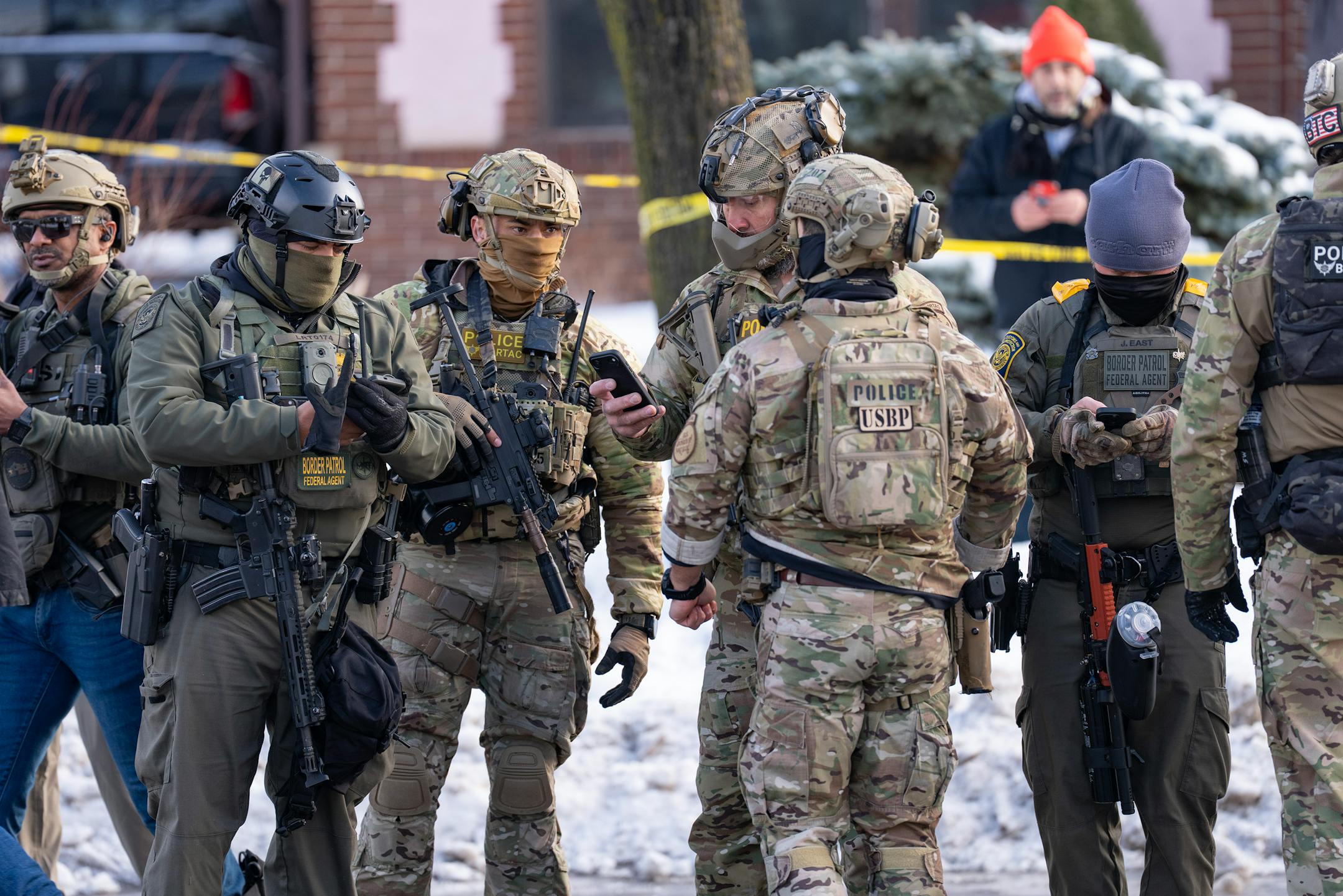
A terse exchange between a bystander claiming to be a doctor and federal immigration agents at the scene of the Renee Good shooting on Wednesday, Jan. 7, raises fresh questions about when and if bystanders with medical training should be able to render aid at crime scenes.
“Can I check a pulse?” yelled the bystander, standing across Portland Avenue from Good’s lifeless body inside her crashed SUV, video footage of the exchange shows.
“No,” an agent replies. “Back up.”
“I’m a physician!”
“I don’t care.”
Neither the purported doctor nor the agent in the exchange have been identified. But experts in emergency response said both were likely acting within their training, and they couldn’t determine whether bystander aid might have changed the outcome. Good was taken to HCMC in Minneapolis after she was shot in the head while trying to flee the federal agents and pronounced dead at the hospital, according to Minneapolis police accounts and video of the scene.
Doctors and other licensed medical professionals and first responders in Minnesota are obliged to help injured people at emergency scenes under the state’s Good Samaritan law. However, when law enforcement agents are in control, they have authority to accept or refuse that help as they assess the safety and security of emergency scenes, medical and EMS officials told the Minnesota Star Tribune.
Police officers have been “more than willing to take my help” to treat victims of vehicle crashes while waiting for ambulance crews, said Dr. Steven Miles, a retired University of Minnesota physician and bioethics professor who has studied the ethics and roles of physicians in crisis situations.


