Federal cuts have emptied Minnesota food shelves. Officials say things could get worse.

As demand increases, food pantries struggle to keep up.

October 21, 2025 at 5:33AM
Food prepared for people at Gethsemane Lutheran Church in North Minneapolis where federal cuts have winnowed food shelf supplies
The food shelf at Gethsemane Lutheran Church in north Minneapolis has had to reduce the number of items shoppers are allowed to take due to federal funding cuts. (Kyeland Jackson/The Minnesota Star Tribune)

Each month, thousands of people wait for food at a north Minneapolis church.

Hundreds trek to Gethsemane Lutheran Church every day, traveling from as far as Champlin, Richfield and Anoka. Some are old. Many are young with toddlers. Most come from poverty and depend on the church’s food shelf to get by.

But the pantry is at risk of going bare.

Federal cuts to the Emergency Food Assistance Program (TEFAP) slashed more than a million pounds of food headed to Minnesota food shelves this summer, forcing places like Gethsemane to reduce staff, hours and the amount of food they provide. That’s left more people going hungry, and officials say at this rate, things are likely to get worse.

“The forward trajectory of these cuts is that families that are making steps towards a brighter future now fall back into dark times,” the Rev. Jeff Nehrbass said.

Hunger-relief programs could soon face even higher demand with officials warning there won’t be enough funds to pay Supplemental Nutrition Assistance Program (SNAP) benefits to those in need if the federal shutdown continues into next month.

“Food stability is so important for violence prevention, for household stability, that not having those resources throws all of that up in the air,” Nehrbass said.
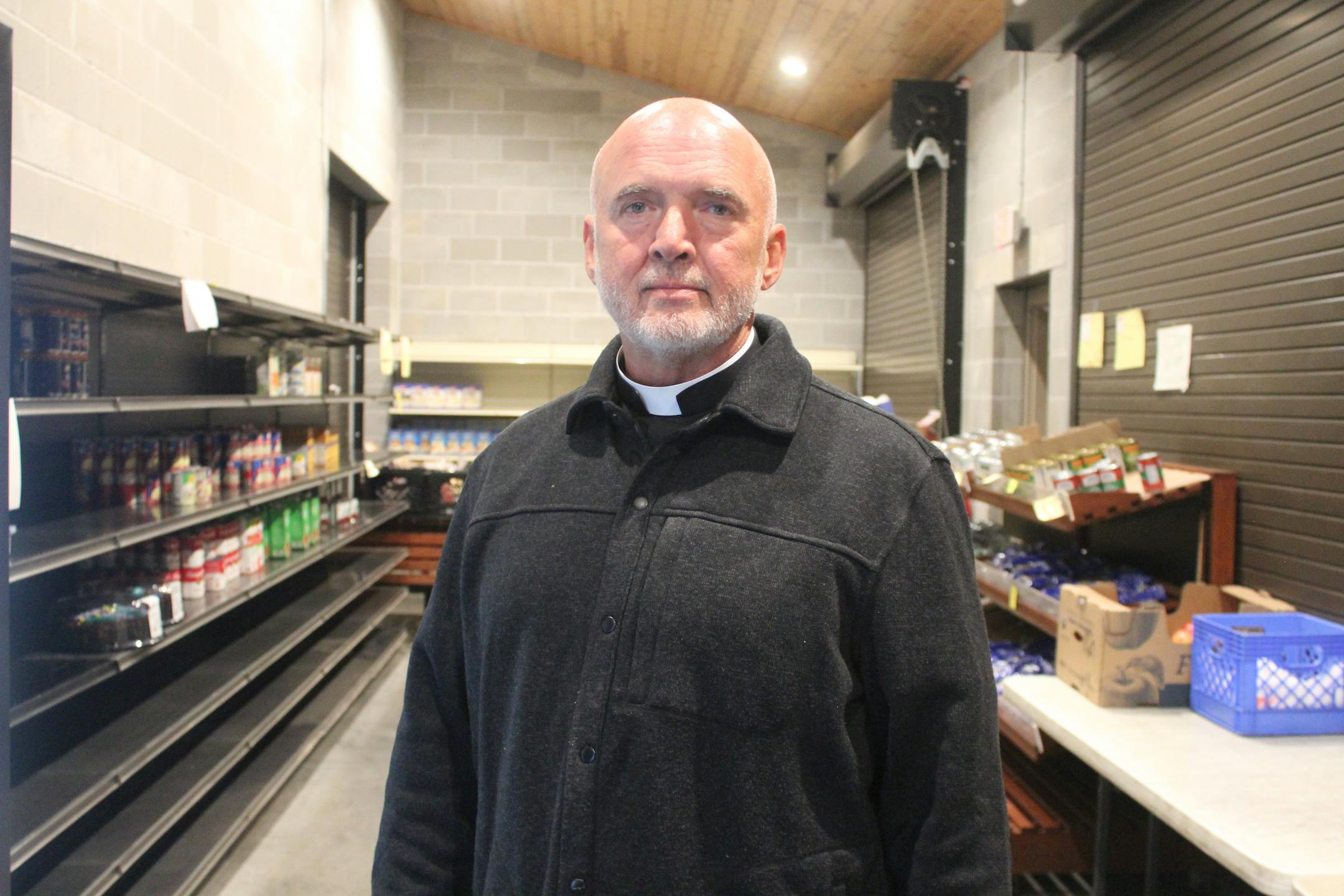
Gethsemane Lutheran Church Pastor Jeff Nehrbass pictured in front of the church's food shelf
The Rev. Jeff Nehrbass at Gethsemane Lutheran Church's food shelf in Minneapolis. (Kyeland Jackson/The Minnesota Star Tribune)

More than a million pounds of food gone

Minnesota is home to one of the nation’s largest food networks, funneling state and local resources between food banks and food shelves across counties. Federal funds from TEFAP support much of that network.


However, earlier this year the U.S. Department of Agriculture suspended $500 million in food deliveries previously allocated under TEFAP as part of efforts by President Donald Trump’s administration to reduce federal spending. The funding was first provided to help food networks struggling through the pandemic.

Kate Weeks, an assistant commissioner of the Minnesota Department of Children, Youth, and Families, said her department received 674 truckloads of food from the program last year. The department was prepared for the program to cut funds this winter, but federal officials gutted those funds months early, halting 34 truckloads of milk, eggs, chicken and other food.

According to data from the U.S. Department of Agriculture obtained by ProPublica , the reduction translated to cancellations for 94 million pounds of food across the U.S. The Minnesota Star Tribune requested and analyzed that data for Minnesota, finding that more than 1 million pounds of food valued at more than $2 million was pulled from the state this year.

“These are critical investments and food needed for the entire food network,” Weeks said.

Food shelves forced to adapt

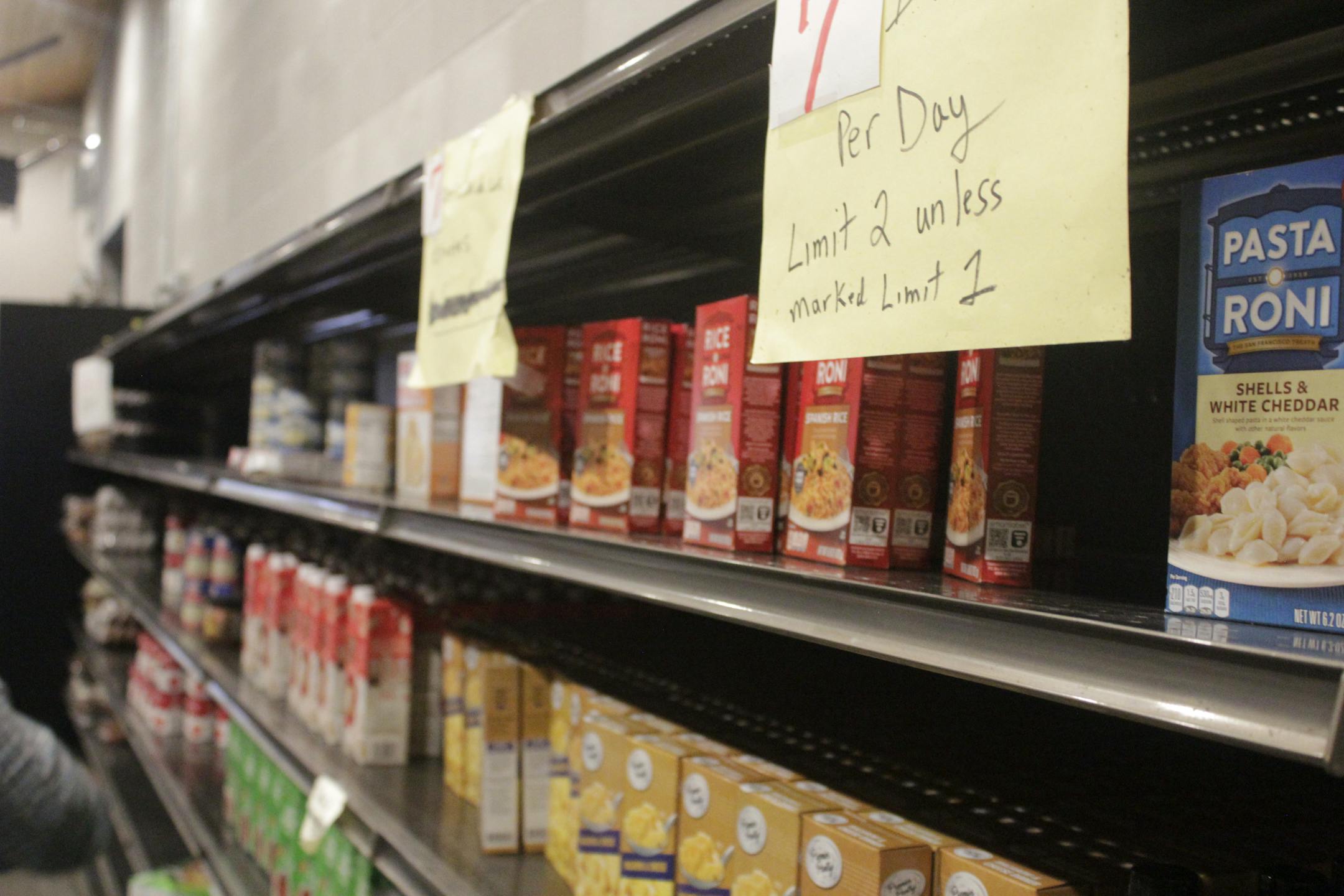
At Gethsemane Lutheran Church, which is also known as the Camden Promise Food Shelf, staffers were forced this June to reduce the amount of food that residents could take, from 20 items to seven. Some are turned away without food, returning the next day to draw a lottery number marked on more than 100 wooden Jenga blocks.

Due to high demand, visitors to Gethsemane Lutheran Church's food shelf sometimes have to draw lottery numbers.

“We’ve done as much as we can to stay open ... but where we’re at now is if the numbers and if TEFAP food continues on this path, we have to cut hours and days,” Nehrbass said, adding that it would mark the first change in the food shelf’s hours in more than a decade.

Mary Thomas, a volunteer of seven years, formerly waited in line for the church’s food. Reducing the days the food shelf is open would have a large impact, especially on those who are homeless, she said.

“They look forward to getting this food,” Thomas said.

In greater Minnesota, food shelves have had to cut down on how often shoppers can visit. At the St. Peter Area Food Shelf, a dozen miles north of Mankato, shoppers used to be able to visit twice a month, but now can only go once.

“Quite frankly, we don’t have the food or the funds to keep up with the increase in clients that we are seeing,” said Jodi Donley, coordinator at the St. Peter Area Food Shelf.

This spring, the food shelf lacked the oranges, pineapples or asparagus they had in previous years. And in the summer, shipments of bad corn and cabbage meant that for two months, about 30% of the fresh items that came in had to be thrown out, Donley said.

Mel Santa Brigida, a 65-year-old retiree who said he depends on the St. Peter Area Food Shelf, said he’s noticed fewer options over the summer. He couldn’t find soy sauce anymore, and there were fewer vegetables, which meant he couldn’t make stir fry, one of his favorite dishes. At times, he also had to use canned milk instead of fresh.

On a visit to St. Peter in October, the shelves were full of fresh produce, in part due to a program that finds food about to be thrown away, said manager Cynthia Favre. The food shelf has also turned to regional Second Harvest Heartland food bank to supplement its produce. But now it can be harder to anticipate shipments.

“It used to be that we would kind of know what we were going to get, when we were going to get it, when there would be change,” Favre said. “But right now, that’s kind of off the table.”

Zach Rodvold of Second Harvest Heartland said many of their more than 1,000 partner food shelves and hunger-relief programs across the state are scrounging for supplies amid increasing demand. Many have pivoted to donations from community members or rescuing food that grocers would trash, but Rodvold says that’s not sustainable.

“There’s only so many rocks we can look under for additional resources or ways to get food out of the system,” Rodvold said, “and I think we’re close to having maximized that.”

A growing need for food shelves

Last year, Minnesota food shelves saw a record of nearly 9 million visits.

Food shelves have continued to see high demand this year as living costs have remained high.

“Families are feeling a lot of different pressure points,” said Weeks of the state Department of Children, Youth, and Families. “You have increasing food prices, you have changes to health care and health care costs, you have changes in our labor economy, you have changes in rising housing prices. ... With these fluctuations, it does have a ripple effect across communities.”

Food bank leaders said they believe conditions will worsen if the federal government reduces SNAP benefits. In an average month, about 440,000 Minnesotans receive SNAP benefits, which awards funds to low-income households to use for groceries at authorized stores and markets.

The ongoing government shutdown already forced state officials to pause SNAP applications this month, and federal officials warned they will not have money to fund SNAP if the shutdown continues into November.

“We don’t have another big lever ... to pull to increase the food available. We need help,” said Virginia Witherspoon, executive director of Channel One Regional Food Bank in Rochester. “Right now a hurricane, a flood and a tornado is happening at the same time across the U.S. as far as the increase in need.”

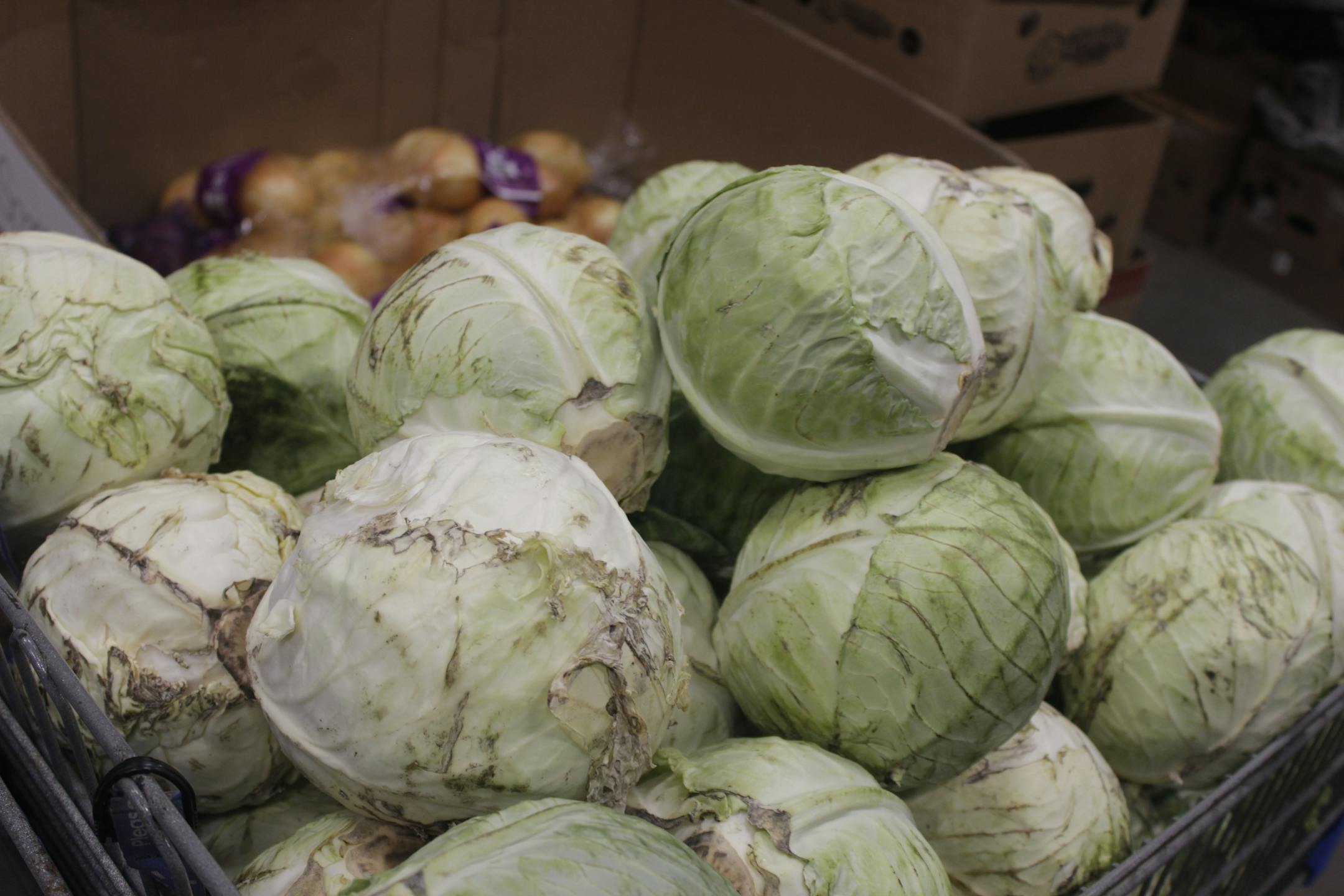
Food prepared for people at Gethsemane Lutheran Church in North Minneapolis where federal cuts have winnowed food shelf supplies
The Gethsemane Lutheran Church food shelf in north Minneapolis offers vegetables to visitors. (Kyeland Jackson/The Minnesota Star Tribune)

Hope in community

Nehrbass of Gethsemane Lutheran Church said TEFAP cuts have strained relationships among food shelves, forcing many organizers and clients to compete with each other for food.

To help offset the food shortage, Nehrbass suggested residents can help by donating food, money or time at food shelves or other organizations.

“[Food insecurity] needs to be addressed by well-meaning, wonderful Twin Citians who want to reach out in love to support those who are less fortunate than them.”

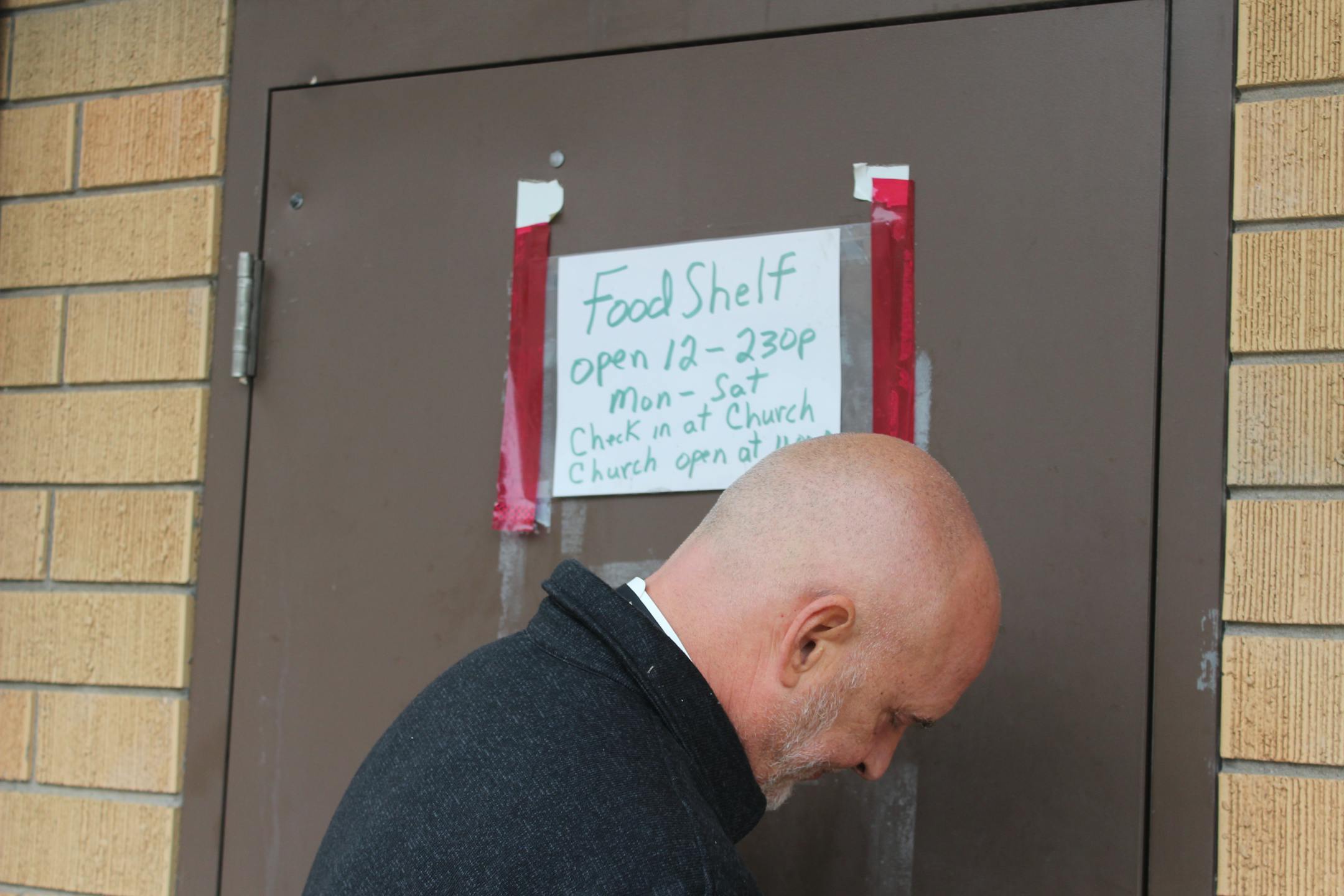
Gethsemane Lutheran Church Pastor Jeff Nehrbass opens the door to the church's food shelf
The Rev. Jeff Nehrbass opens the door to Gethsemane Lutheran Church's food shelf. (Kyeland Jackson/The Minnesota Star Tribune)
about the writers

about the writers

Kyeland Jackson

General Assignment Reporter

Kyeland Jackson is a general assignment reporter for the Star Tribune.

See Moreicon

Christopher Vondracek

Washington Correspondent

Christopher Vondracek covers Washington D.C. for the Minnesota Star Tribune.

See Moreicon

Jp Lawrence

Reporter

Jp Lawrence is a reporter for the Star Tribune covering southwest Minnesota.

See Moreicon

More from Politics

See More
card image
Mark Schiefelbein/The Associated Press

A Navy admiral commanding the U.S. military strikes on an alleged drug boat in the Caribbean told lawmakers Thursday that there was no ''kill them all'' order from Defense Secretary Pete Hegseth, but a stark video of the attack left grave questions as Congress scrutinizes the campaign that killed two survivors.

card image