Medtronic owes $382M after jury finds it violated monopoly laws

The Minnesota medtech giant plans to appeal the verdict. A California jury ruled that Medtronic’s bundling practices created unfair competition.

The Minnesota Star Tribune
February 9, 2026 at 10:02PM
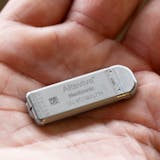
Medtronic last week lost a jury trial that accused it of selling surgical devices in a way that violated antitrust laws. The high-dollar ruling did not appear to have much of an impact on Medtronic's stock price. (Jeff Wheeler/The Minnesota Star Tribune)

A federal jury ordered Medtronic to hand a competitor about $382 million after ruling the Minnesota-run medtech company violated anti-monopoly laws by selling technology to hospitals with unlawfully bundled discounts.

Applied Medical, a California-based surgical equipment competitor, first sued Medtronic in 2023 saying it bundled the discounted cutting-and-sealing devices with other products “in a way that is unhealthy for competition, hospitals, and patients.”

Medtronic denied the complaint, saying its pricing strategy is procompetitive and allows buyers “to get more for less, which benefits customers and patients.”

In a 10-day trial last week, a California jury found Medtronic violated federal antitrust laws as well as California law. The jury found Medtronic had contracts that illegally tied discounts on some surgical products to purchases of other devices, forcing hospitals to stick with the brand despite any differences in price.

Medtronic plans to appeal the ruling, a spokeswoman said.

Applied Medical said in a news release that the jury’s ruling should increase innovation and lower health care costs.

“This is not just a legal victory for Applied; it is a validation of fair competition,” said Gary Johnson, the group president for advanced energy at Applied. “We believe this decision marks a turning point for hospitals and health care providers struggling to dismantle complex contractual barriers that have long prevented them from access to innovation, choice and value.”

The Medtronic spokeswoman said in a statement the company disagrees with the jury’s verdict and “remains confident that our business practices, including our contracting practices, are legally compliant and industry standard.”


Medtronic’s stock price, which has increased in recent months, did not appear to substantially shift due to the ruling.

Common surgical devices that cut body tissue and seal blood vessels afterward were central to the case. Applied — which launched a product called Voyant in this category of “bipolar” devices in 2015 — said Medtronic controls 78% of the market with its LigaSure brand.

Medtronic includes its discounted bipolar cutting and sealing devices within a bundle of surgical equipment — a practice Applied called anticompetitive. To receive discounts for bipolar devices, Medtronic requires hospitals and groups purchasing supplies for them to buy other medical devices, the competitor added.

Applied said Medtronic is selling its bipolar devices for below cost after accounting for the bundle’s discount. The Medtronic competitor said the practice prevents hospitals from purchasing its bipolar devices because it cannot offer a low-enough price to offset the bundle’s discount.

“This is supported by hospital statements that they will not purchase advanced bipolar devices from Applied — a [less expensive] competitor — at any price because of the exclusionary discounts that would be lost on other products," the company said in the complaint.

Applied said Medtronic’s conduct does not benefit consumers and instead “is designed to increase profitability by foreclosing competition, driving up prices, and reducing research and development expenditure at the expense of improved clinical outcomes, product quality, and increased health care costs.”

Applied said Voyant costs 15%-20% less than competing devices and outperforms in “numerous metrics.”

The Medtronic spokeswoman said surgeons choose LigaSure because it outperforms Voyant.

“The bottom line is that we deliver the best product to our customers at the value they expect,” the spokeswoman said.

Applied said Medtronic’s competitors will be crammed into a small segment of the market for these devices if the conduct continues. The company said Medtronic violated the Sherman Act and the Clayton Act — which are antitrust laws fighting monopolistic behavior — as well as California legislation outlawing restraints to trade.

Applied’s Johnson said the jury heard “an extensive evidentiary record supporting its unanimous verdict.”

“Our focus remains on the immediate future: Applied Medical intends to seek injunctive relief to prohibit Medtronic from enforcing these unlawful restrictions, so that hospitals can begin accessing the choices they have been denied for years,” Johnson said.

about the writer

about the writer

Victor Stefanescu

Reporter

Victor Stefanescu covers medical technology startups and large companies such as Medtronic for the business section. He reports on new inventions, patients’ experiences with medical devices and the businesses behind med-tech in Minnesota.

See Moreicon

More from Business

See More
card image
David Joles/The Minnesota Star Tribune

In his second week as CEO, Michael Fiddelke is changing Target’s executive suite and in-store staffing amid lagging performance.

card image
card image