

Advertisement

Google announces data center near Rochester

An agreement with Xcel Energy includes an investment in clean energy the utility provider says will help the state meet carbon-free goals.

The Minnesota Star Tribune
February 24, 2026 at 2:30PM
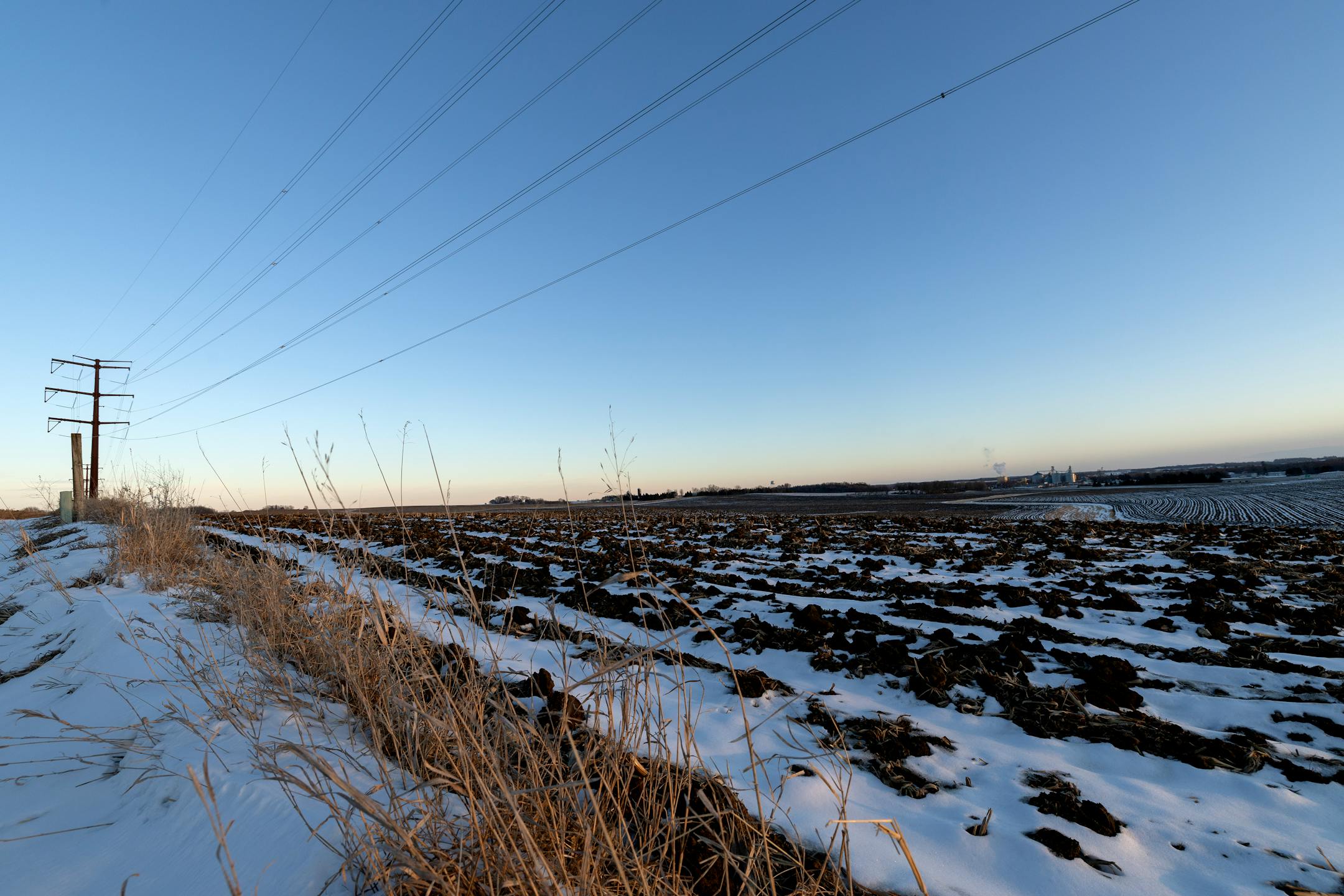
Google is planning a data center for this land south of 500th Street and adjacent to Hwy. 52 in Pine Island, Minn. (Carlos Gonzalez/The Minnesota Star Tribune)
Advertisement

Google says it will build a data center in the small southern Minnesota city of Pine Island. The announcement comes after a year of behind-the-scenes maneuvering that included lobbying to influence state tax breaks and data center regulations.

The tech giant also announced that it will be paying for a significant amount of new wind, solar and battery power as part of its contract with Xcel Energy. The utility company says these measures should relieve concerns that have mounted as data center development has increased in the state.

“Google will pay all of the costs for its service, ensuring our current customers do not see increased rates,” said Bria Shea, president of Xcel in Minnesota, in an interview with the Minnesota Star Tribune. “The agreement drives a significant investment in new clean energy that advances Minnesota’s carbon-free goals and strengthens grid reliability for everybody.”

Google’s project and its clean energy contract are notable as Minnesota confronts an influx of proposals for large-scale data centers that have sparked debate over energy and water consumption, electric bills and government secrecy.

Companies driving the development of data centers promise construction jobs and local tax revenue and say their projects are critical infrastructure for the cloud computing and artificial intelligence needs of a modern economy.

Amanda Peterson Corio, head of data center energy at Google, said in a statement released by Xcel that “this agreement supports our goal of expanding AI and cloud capabilities in a way that provides long-term value to the places we operate.”

The project represents a second attempt at a Minnesota data center for Google, which abandoned a $600 million Sherburne County project with Xcel in 2022. Shea said Xcel’s new contract with Google includes precautions, including an exit fee, to safeguard against the company walking away.

A challenging environment

Last year, state lawmakers passed legislation that set ground rules for what is essentially a new industry.
Advertisement

Some data center companies walked away from projects in the state after the final bill cleared the Legislature, saying it would take too long to get permits in Minnesota. The most high-profile example was Amazon, which scrapped plans for an enormous project in Becker.

The Legislature is again debating new transparency requirements and further regulation of data centers two weeks into the 2026 session.

Shea acknowledged challenges in attracting data center developments to the state, but said Xcel can still strike deals that benefit Minnesotans with companies like Google that have corporate environmental goals.

Google declined to comment to the Star Tribune.

There are at least a dozen large-scale data centers in the works in Minnesota, but the only one under construction is a Meta Platforms project in Rosemount. Microsoft bought land in Becker in 2024 for a data center but has not proposed anything to the city.

The other projects are being planned by development companies that will later sell or lease space at the sites, or by shell businesses that haven’t disclosed who the actual owner of the project is.

Advertisement

Google’s announcement is the culmination of at least a year of work to find and plan a data center site.

In 2025, Google ramped up a lobbying offensive as state lawmakers and utility regulators hashed out new industry rules. The Star Tribune reported that state economic development officials convened a meeting in March 2025 about a data center in Pine Island and invited Google.

But Google has said nothing publicly about where it might build, or when. Pine Island is also one of at least eight cities to sign a non-disclosure agreement to conceal information about a data center project, at least initially. The development in Pine Island was referred to by a code name: Project Skyway. The construction firm Ryan Cos. led the planning process.

Similar NDAs have stirred opposition in many small cities, including in Hermantown near Duluth.

Shea said Xcel has been talking with Google about a variety of sites for “a long time” but that it had narrowed in on Pine Island as far back as two years ago.

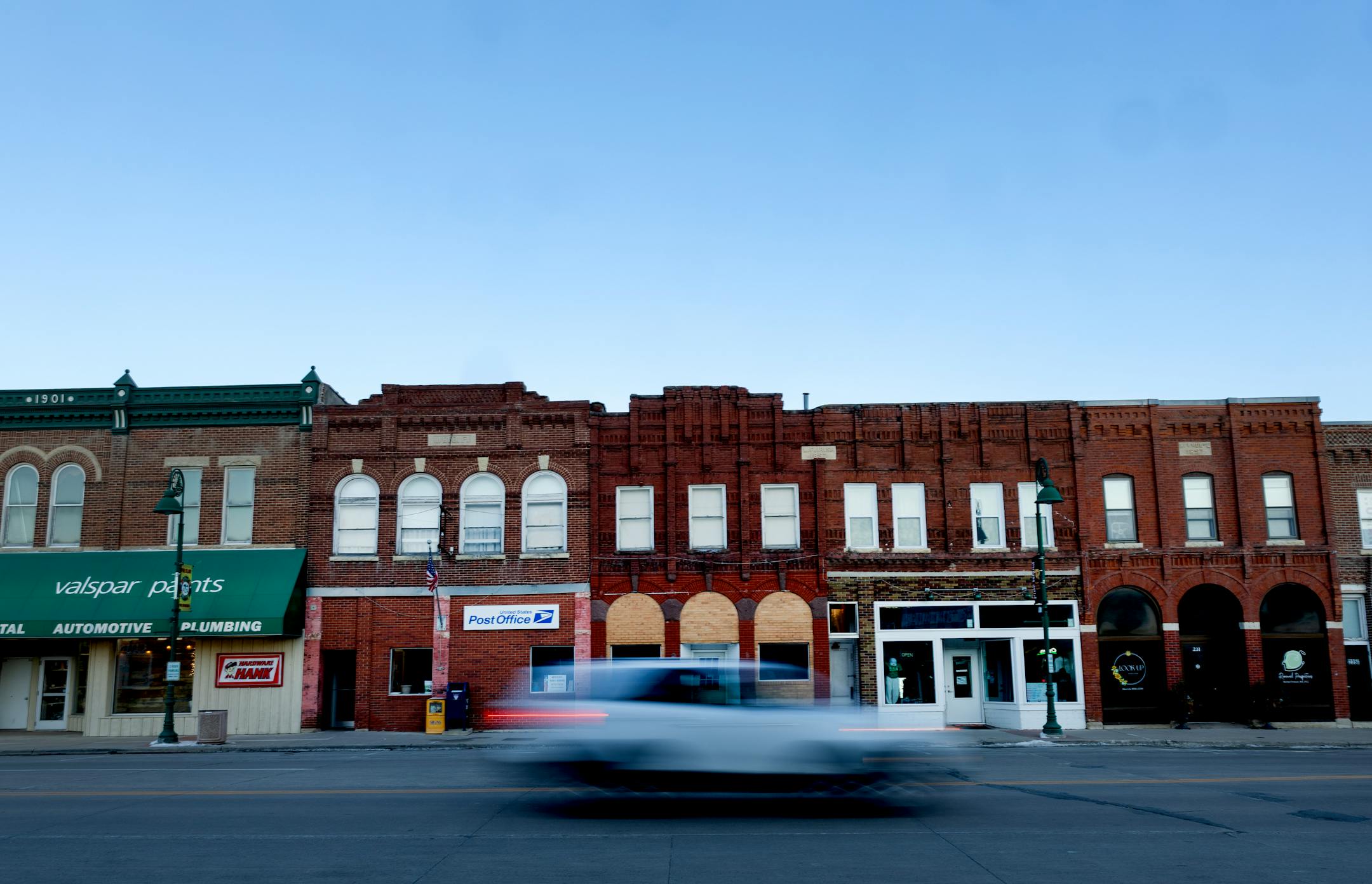
Main Street in Pine Island, Minn., on Monday, Feb. 23. (Carlos Gonzalez/The Minnesota Star Tribune)
Google is planning a data center for this land south of 500th Street and adjacent to Hwy. 52 in Pine Island. (Carlos Gonzalez/The Minnesota Star Tribune)

Impacts and offsets

Though Google has now revealed its ties to Pine Island, the company is still disclosing few specifics about its data center, such as exactly how much energy it will need to operate.

Advertisement

The city studied the impact of a potential data center on 482 acres with a footprint of 3 million square feet. But Ryan Cos. says Google is planning a smaller project on about 88 acres, with a 250,000-square-foot data center site.

The construction firm, which hopes to start building this year, is preparing and marketing the extra space to other industrial and tech companies and hopes to “incentivize Google to expand at this site and within our state,” said Peter Fitzgerald, vice president of real estate development for Ryan Cos.

Pine Island said Google will also not use water to cool the data center. Such systems conserve water — a top concern for some residents in cities with data centers — but use more electricity.

Shea said the project is likely to cost more than $1 billion to build, and the associated wind, solar and battery projects would also have a total price tag in the billions.

Xcel said Google is paying for 1,400 megawatts of new wind power and 200 megawatts of solar, which are significant expansions in the scope of Xcel’s system. The clean energy will serve the entire grid, not just the data center.

Google is also buying a 300 megawatt battery system that is meant to supply energy for over 100 hours, far longer than the typical lithium ion batteries that most power companies use to shore up the grid when renewable power is low.

Advertisement

Xcel has a deal with the long-duration battery company Form Energy to build a smaller 10-megawatt system next to its Becker coal plant to test the technology. That project is years behind schedule.

Google’s promise to pay for new power plants is unique for Xcel. Neither Amazon or Meta agreed to such requirements. Shea said the deal was driven by both Google’s and Xcel’s climate goals, but also new requirements passed by the Legislature and by regulators on the Public Utilities Commission.

The PUC will still need to approve the electric supply contract, which has not been submitted yet to regulators and is not publicly available.

When lawmakers were negotiating data center rules last year, state Rep. Patty Acomb, DFL-Minnetonka, said Google told her the company is interested in being in Minnesota because of the state’s clean energy goals.

In a state where data centers have become controversial, Google has tried to portray itself as operating in a responsible way that will not harm the environment or raise energy bills.

Shea said the contract with Google “shows it is possible to support this critical digital infrastructure, drive economic investment, advance clean energy and strengthen reliability all while ensuring existing customers benefit.”

about the writer

about the writer

Walker Orenstein

Reporter

Walker Orenstein covers energy, natural resources and sustainability for the Star Tribune. Before that, he was a reporter at MinnPost and at news outlets in Washington state.

See Moreicon

More from Outdoors

See More
card image
Carlos Gonzalez/The Minnesota Star Tribune

An agreement with Xcel Energy includes an investment in clean energy the utility provider says will help the state meet carbon-free goals.

card image
Advertisement