

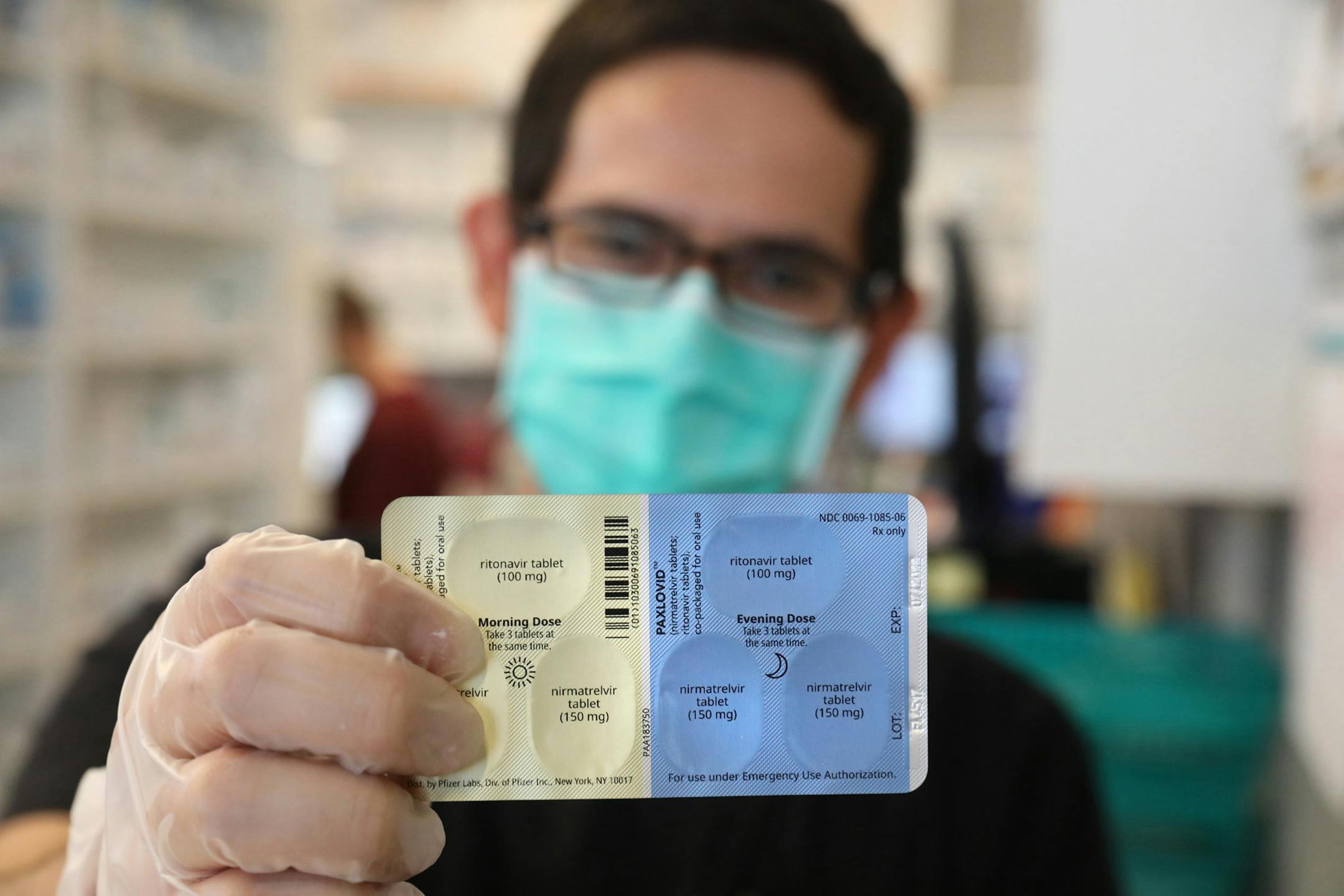
COVID-19 is rising in prevalence in many states following the July 4 holiday week, but the role of the main therapy to treat it — the antiviral drug Paxlovid — has become less clear.
Research studies over the past year found the drug less effective with patients than it was in clinical trials during the race in 2020 and 2021 to find treatments for COVID-19 and slow the global pandemic.
“Data from the original research studies conducted in 2021 among those with their first COVID-19 infection are not valid in extrapolating benefit today in 2025,” said Dr. David Boulware, an infectious disease specialist at the University of Minnesota. He added, “there likely is minimal benefit from antiviral therapy” for people who had previous infections or COVID vaccinations.
Prices for Pfizer’s drug remain elevated, though discount programs are widely available.
It is clear, however, that COVID infections are rising again, following the pattern of higher prevalence seen in prior summers. Testing of wastewater samples in Minnesota is showing another slight increase so far in levels of the coronavirus that causes COVID-19.
Holiday travel and family gatherings are believed to be among the main drivers in the virus’ spread this time of year. National trends show rising and even high levels of COVID-19 in many southern and western states.
Only one in five Minnesotans are up to date with federal COVID vaccine recommendations.
What is Paxlovid?
Paxlovid is an antiviral combination therapy that can reduce the risk that COVID-19 will cause severe illness, hospitalization or death. The Food and Drug Administration authorized its emergency use in late 2021 during the pandemic and granted full approval in the spring of 2023.


![Main entrance to the Gonda Building. For more than a century, the city of Rochester has been shaped and defined by the Mayo Clinic. Now the Mayo has a $6 billion vision to reshape the city and itself.Wednesday, February 21, 2013 ] GLEN STUBBE * gstubbe@startribune.com ORG XMIT: MIN1302211648220346](https://arc.stimg.co/startribunemedia/DW2TKC4EDLZZOGDOC5ZEYZNOJ4.jpg?&w=252&ar=3:2&fit=crop)
