Why Medicare coverage is getting more expensive in Minnesota next year

Higher costs and fewer options are driving thousands of beneficiaries to look for new health and drug plans.

The Minnesota Star Tribune
October 21, 2025 at 4:55PM
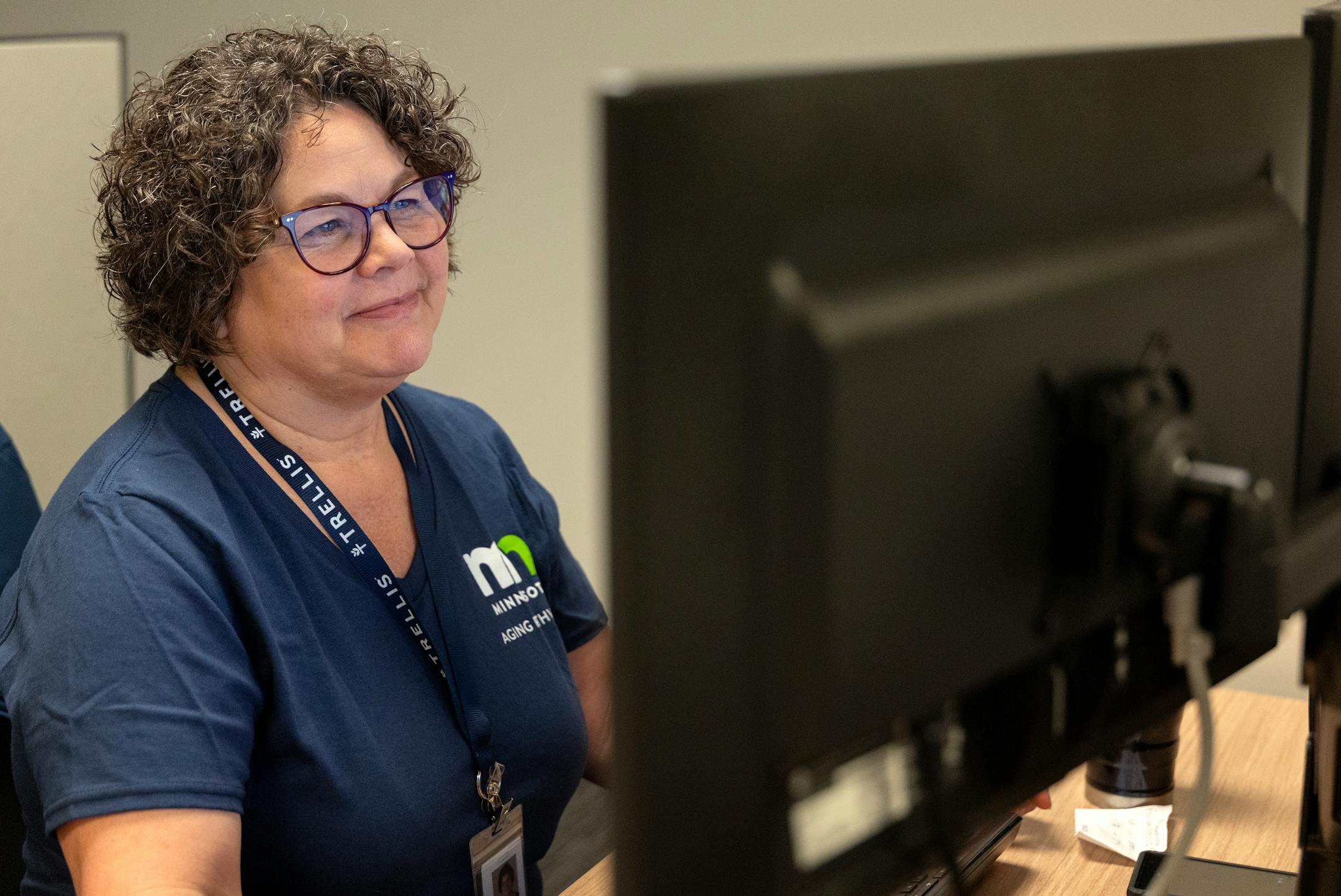
Volunteer supervisor Deb Buckingham views the screens on her computer at Trellis in Minneapolis in October. Seniors have questions about the high level of turbulence in the annual Medicare shopping season, which launched earlier this month. (Carlos Gonzalez/The Minnesota Star Tribune)

The inventory of Medicare Advantage and “Part D” drug plans available to Minnesotans will drop significantly next year, as prices and premiums rise.

Yet the number of beneficiaries shopping now for a new 2026 option is way up.

A simple supply-and-demand equation is not what insurance companies are citing to explain the significant increase coming next year in coverage costs for beneficiaries.

Instead, most of the funding for privatized Medicare coverage comes from the federal government and insurers say financial backing for Medicare Advantage health plans has fallen significantly short of the escalating expense trend in health care.

“We share concerns about rising costs and the sustainability of federal reimbursement — challenges that continue to place strain on health plans across the country," said a statement from Minnetonka-based Medica, one of the top Medicare Advantage insurers in the state.

Here are some questions seniors are frequently asking about the high level of turbulence in the annual Medicare shopping season, which launched earlier this month.

What’s happening?

Between Oct. 15 and Dec. 7, the state’s 1.1 million Medicare beneficiaries have the chance to opt for a new Medicare Advantage plan or a Medicare drug plan. The prescription drug coverage is often called a “Part D” plan in insurance brochures because of the section of federal law that created it.

People who opt to get traditional, or “original,” Medicare are encouraged to buy stand-alone Part D drug coverage, which covers medications not paid for by their Medicare Part A (for hospital care) and Medicare Part B (for care from clinics and certain other health care providers) insurance.

Insurance companies are selling 11 different stand-alone drug plans in Minnesota this fall, down from 14 last year.

Rather than going with original Medicare, beneficiaries can opt to receive their Part A and Part B benefits through a private health insurance company — an option known as Part C, or Medicare Advantage. These plans typically include Part D drug coverage, with any extra charge included as part of the premium.

The average beneficiary in Minnesota can select from 16 different Medicare Advantage options for coverage in 2026, down from 27 options available this year, according to a report this month from the California-based health care analysis nonprofit KFF.

Meanwhile, prices on Minnesota plans are growing faster than inflation. Part of the reason is Americans with Medicare have been using more health services than expected since the COVID-19 pandemic ended, leading to financial losses for insurers, rating agency A.M. Best reported in September.

Some people deferred care during the pandemic, which may have led to worsening medical conditions, while recent enrollees may have delayed care until they were eligible for Medicare, A.M. Best said.

“Local market dynamics, including available Medicare Advantage plan options and high utilization trends, are driving prices up,” Eagan-based Blue Cross and Blue Shield of Minnesota, the state’s largest Medicare insurer, said in a statement.

What’s driving the disruption?

In Minnesota, the second-largest Medicare Advantage health insurer — Minneapolis-based UCare — announced it was exiting the market for 2026.

In recent years, UCare apparently priced its products too low for escalating cost trends and lost big money as a result.

Across the country, Medicare Advantage insurers are seeing federal funding reductions due in part to the government tightening up the extra payments insurers receive for taking on patients with bigger health problems.

Critics say insurers have gamed the system to wrongly drive up revenue through these payments, while insurers insist they’ve done nothing wrong and use the funds to provide benefits for seniors. Medicare responded by making it harder to obtain the payments.

“You’re seeing benefit reductions across the industry and, importantly, you’re seeing a reduction in choice for consumers,” Bobby Hunter, UnitedHealthcare’s chief executive of government programs, said during a call with reporters last month. “Those are byproducts of the cuts that have been made to the program.”

Insurers say their prices and options also have been shaped by changes over the past two years that have made Part D drug coverage more generous for seniors.

What to do?

The key message for next year is: Shop.

Every year, most seniors simply stick with the coverage they have, even though switching could save them money and/or provide better benefits.

One senior who contacted the Minnesota Star Tribune over the past week said he found an alternative to his UCare plan that he believes will provide comparable coverage at a lower monthly price.

For people losing their UCare plan, the shopping decision is particularly complicated this fall. That’s because they have a special right to buy a “Medigap” policy that supplements original Medicare by covering large deductibles, copays and coinsurance requirements with Medicare Part A and Medicare Part B.

“We are getting so many more calls about Medigap this year,” said Kelli Jo Greiner, the Medicare program manager for the Minnesota Board on Aging.

Anyone on original Medicare can try buying a Medigap plan, but they can be denied based on their health history. Those losing their UCare plans for 2026 can buy a Medigap plan without answering health questions.

Who can help?

Insurance agents often help people enroll in Medicare Advantage, Part D and Medigap plans, but several health insurers have cut commission payments to those who help beneficiaries make decisions. There’s concern that fewer agents will assist seniors as a result, underscoring the need to start shopping early.

“We are stretched beyond our limits, working many hours daily and still unable to meet needs,” one insurance agent told the Star Tribune. “Tragically, many seniors now cannot find help at all.”

Working on their own, beneficiaries can survey options via the Medicare Plan Finder at Medicare.gov, or by calling 800-MEDICARE.

Help over the phone also is available from Minnesota Aging Pathways (formerly the Senior LinkAge Line) at 800-333-2433. The statewide service also has open enrollment information on its website.

about the writer

about the writer

Christopher Snowbeck

Reporter

Christopher Snowbeck covers health insurers, including Minnetonka-based UnitedHealth Group, and the business of running hospitals and clinics.

See Moreicon

More from Health Care

See More
Nancy Ingham gives newborn Sophia Rash a hepatitis B shot several hours after she was born, Jan. 17, 2006.
Renée Jones Schneider/The Minnesota Star Tribune

A federal vaccine advisory committee voted on Friday to end the longstanding recommendation that all U.S. babies get the hepatitis B vaccine on the day they're born.

card image
Nancy Ingham gives newborn Sophia Rash a hepatitis B shot several hours after she was born, Jan. 17, 2006.