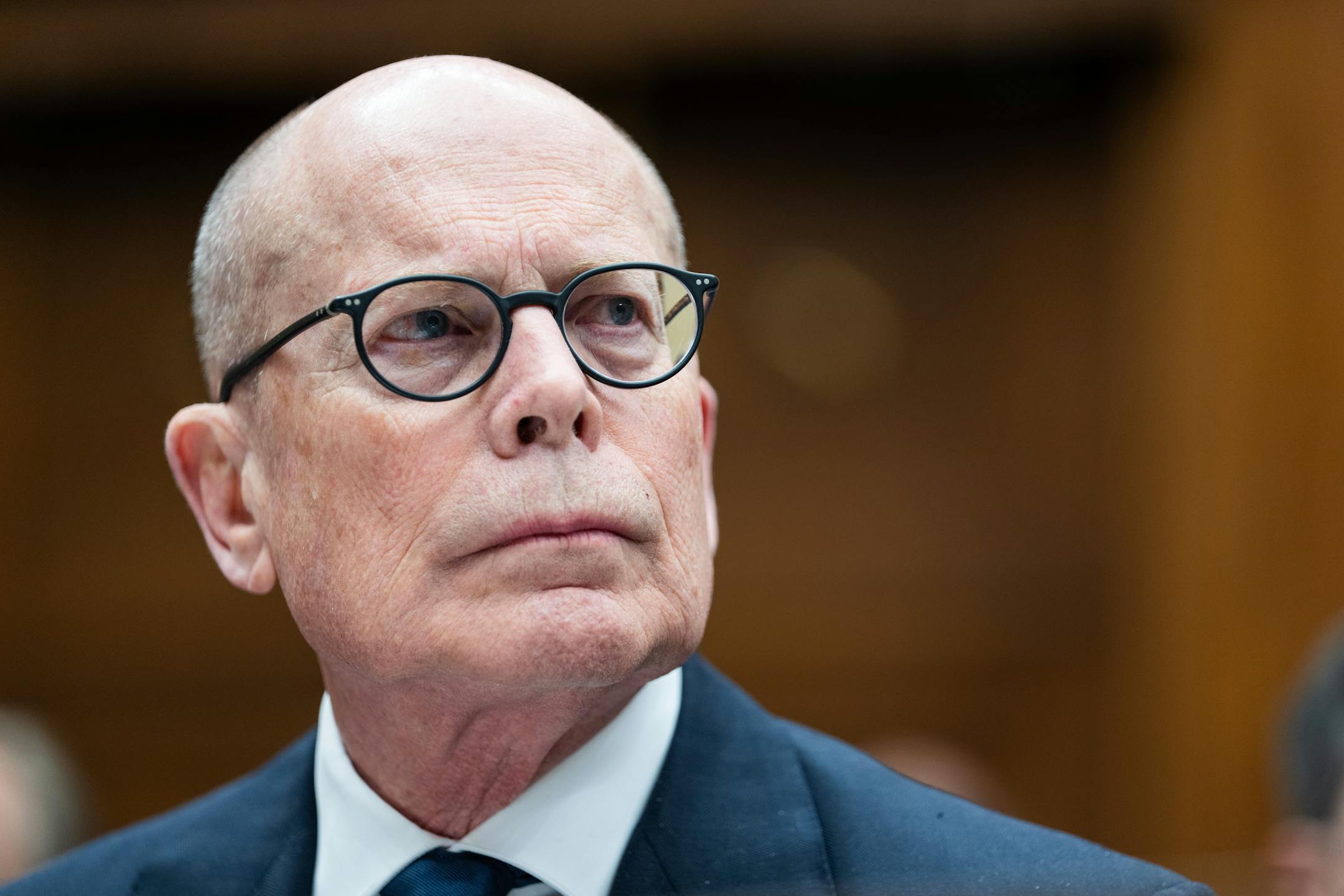
Lawmakers put tough questions to UnitedHealth Group CEO Stephen Hemsley on Jan. 21, challenging the executive on his pay and demanding answers on whether the Eden Prairie-based company drives up costs through its massive size while subjecting patients to wrongful claims denials.
The bipartisan grilling came from members of the U.S. House Energy and Commerce Committee, which summoned Hemsley and top executives from the nation’s largest for-profit health insurers for a subcommittee hearing on why health care is so unaffordable in the U.S.
Hemsley was the first to offer testimony, reciting the insurance industry’s long-standing refrain that coverage costs are high and primarily increasing because care itself keeps growing more expensive, particularly hospital services and prescriptions drugs.
Lawmakers, however, focused on whether the insurance companies have been extracting too much profit while passing on high costs to consumers as they balloon their bureaucracies, particularly through divisions known as pharmacy benefit managers (PBMs). These units structure medication benefits within health plans but often impose rules that can block patients from receiving prescribed medicines while forcing pharmacists to deliver impossible messages, said Rep. Buddy Carter, R-Georgia.
“Have you ever personally looked a patient in the eye and explained why your company denied them a medication their doctor says was needed?” Carter asked Hemsley.
Hemsley started to say he has looked patients in the eyes many times, but Carter cut him off as the CEO began referencing prior authorization rules. Carter said as a practicing pharmacist for 40 years, he’d had many such conversations with patients about medication denials.
“I’m the one who had to tell them that, on your behalf,” Carter said.
Rep. Nanette Diaz Barragán, D-CA, asked Hemsley about $60 million in stock-based pay he could receive for his work as UnitedHealth Group’s CEO. Patients want to know why CEOs make so much, Barragán said, when people struggle to pay their premiums only to find their insurance won’t pay medical bills for needed care.