
Fewer Minnesotans have opted for MNsure health insurance. More could drop soon

State officials said higher premiums and diminished federal tax credits mean some people likely feel they can’t afford coverage.

The Minnesota Star Tribune
January 19, 2026 at 8:15PM
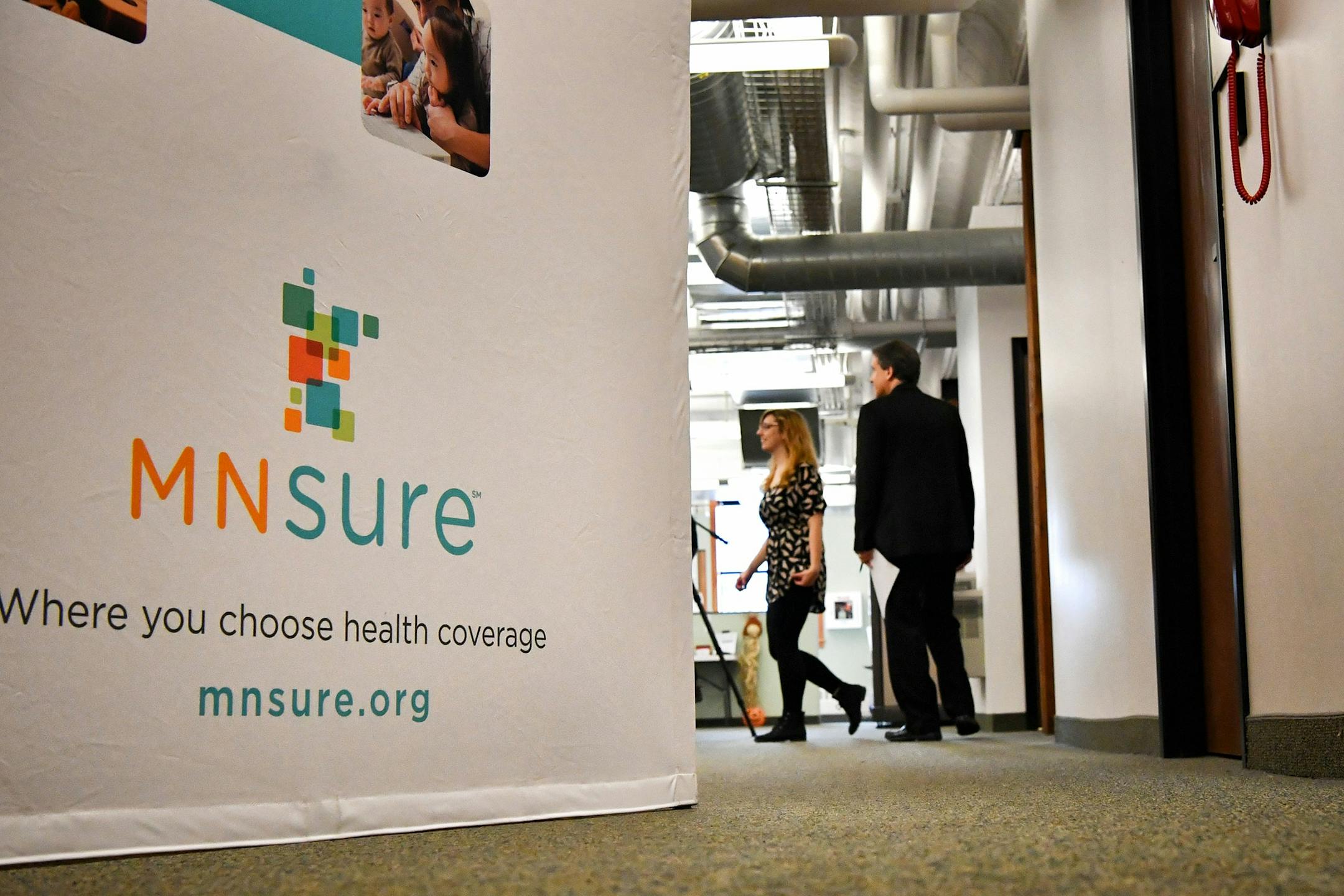
The MNsure call center in St. Paul is shown in an Oct. 28, 2016, file photo. (Glen Stubbe/The Minnesota Star Tribune)

Fewer Minnesotans who buy their own health insurance have been signing up for coverage this winter, and experts expect even more might drop out in the early months of this year.

Cost is likely the main factor, with premiums increasing alongside diminished or disappearing federal subsidies that made care more affordable during the pandemic.

About 135,000 people had signed up for individual market health plans via MNsure by the end of December, state officials said, a decrease of about 4% from roughly 141,000 signups at a similar point one year earlier.

The numbers aren’t final, since open enrollment continued through Jan. 15, and the magnitude of decline could grow by the end of the month, once grace periods expire for enrollees who haven’t yet paid their first month’s premium.

Insurers said some consumers might have been holding off on making payments, hoping Congress might restore the subsidies. But they will let their coverage go by month’s end if the higher prices persist.

“We have not seen as many losses as we would have expected,” said Carolyn Ringhofer, vice president and general manager for the individual health insurance business at Minnetonka-based Medica. “The caveat to that is, it’s very difficult to know how many of those people might still drop off at the end of the month.”

The downward trend thus far at MNsure fits with a national decline of about 3%.

Many anticipated coverage drops with the expiration of enhanced tax credits, which Congress instituted during the COVID-19 pandemic. The U.S. House of Representatives passed legislation earlier this month to renew these subsidies, but the bill faces uncertain prospects in the Senate.

“We do suspect there are people who feel they are priced out of the marketplace,” said Libby Caulum, CEO at MNsure, a state-run health exchange marketplace for Minnesotans who buy health insurance on their own.

As is typical with open enrollment, most MNsure signups this year were automatic renewals. If these renewers decide to drop coverage, they’ll often do so by just not paying their premiums by the end-of-January deadline.

“We wouldn’t be surprised if there are more people than in other years who get that first premium notice and say: ‘I’m not going to pay it,’” Caulum said. “That is our concern.”

MNsure is an option for the roughly 187,000 people in Minnesota who buy their own coverage. Self-employed people, like farmers and contractors, usually purchase these policies, as do early retirees and those who don’t have workplace-provided insurance benefits.

Beginning in 2014, the federal Affordable Care Act started providing tax credits to these consumers to reduce their premium costs. The subsidies were available for families with incomes up to 400% of the federal poverty threshold, about $60,000 for an individual and nearly $125,000 for a family of four.

But Congress eliminated this upper limit during the pandemic. Lawmakers at the time also increased subsidies for households with lower incomes.

All the enhancements, however, turned off Dec. 31. That means available tax credits are smaller, eligible consumers must pay a larger share of their coverage costs, and the previous income limits are back in play.

MNsure projected more than 19,000 Minnesotans would lose access to tax credits, while another 70,000 state residents would receive smaller subsidies.

The financial hit varies.

The median price increase this year is $368.72 per month for consumers who qualified for a tax credit last year but won’t in 2026, according to MNsure estimates. In some cases — particularly pre-retirees who live in higher-cost regions of the state — the impact is substantially greater, with some price increases reaching about $1,700 per month.

Across all households, including those who will still qualify for tax credits, the average price increase is $240 per month.

It’s possible some people might pay for coverage at the start of the year, knock out as much health care as possible and then drop to save money, said Caulum of MNsure.

MNsure data thus far shows more people are moving into health plans with less generous coverage, in order to mitigate premium increases.

As of Jan. 14, about 55% of enrollees had signed up for “bronze” level health plans, up from about 47% last year. Bronze plans typically have the lowest premiums but require lots of out-of-pocket spending when people use health care.

This decision to “buy down” the premium by absorbing more risk for out-of-pocket costs is happening in other states, as well, said Elizabeth Lukanen, a researcher who studies Medicaid programs and the individual market at the University of Minnesota.

“When people drop coverage, they aren’t suddenly healthier. They are just navigating the system without the protection insurance is supposed to offer,” Lukanen said via e-mail. “And we know from decades of research that people without insurance tend to delay routine or preventive care, increasing the likelihood that they’ll need more intensive (and expensive) care later.”

Going into 2026, Medica assumed membership in the individual market would decline, with drops concentrated among younger and healthier enrollees, Ringhofer said. This includes the so-called “young invincibles,” a key demographic because they tend to use less health care and thereby balance spending for older enrollees.

Reduced subsidies and increasing medical costs were already likely to raise premium costs, and these changes would only further inflate prices. The state Commerce Department this year approved average premium increases ranging from 13% to 31% across the largest carriers in the individual market.

“We anticipated a pretty dramatic market contraction ... but it’s early days,” said Ringhofer of Medica.

about the writer

about the writer

Christopher Snowbeck

Reporter

Christopher Snowbeck covers health insurers, including Minnetonka-based UnitedHealth Group, and the business of running hospitals and clinics.

See Moreicon

More from Health Care

See More
card image
Glen Stubbe/The Minnesota Star Tribune

State officials said higher premiums and diminished federal tax credits mean some people likely feel they can’t afford coverage.

card image
card image