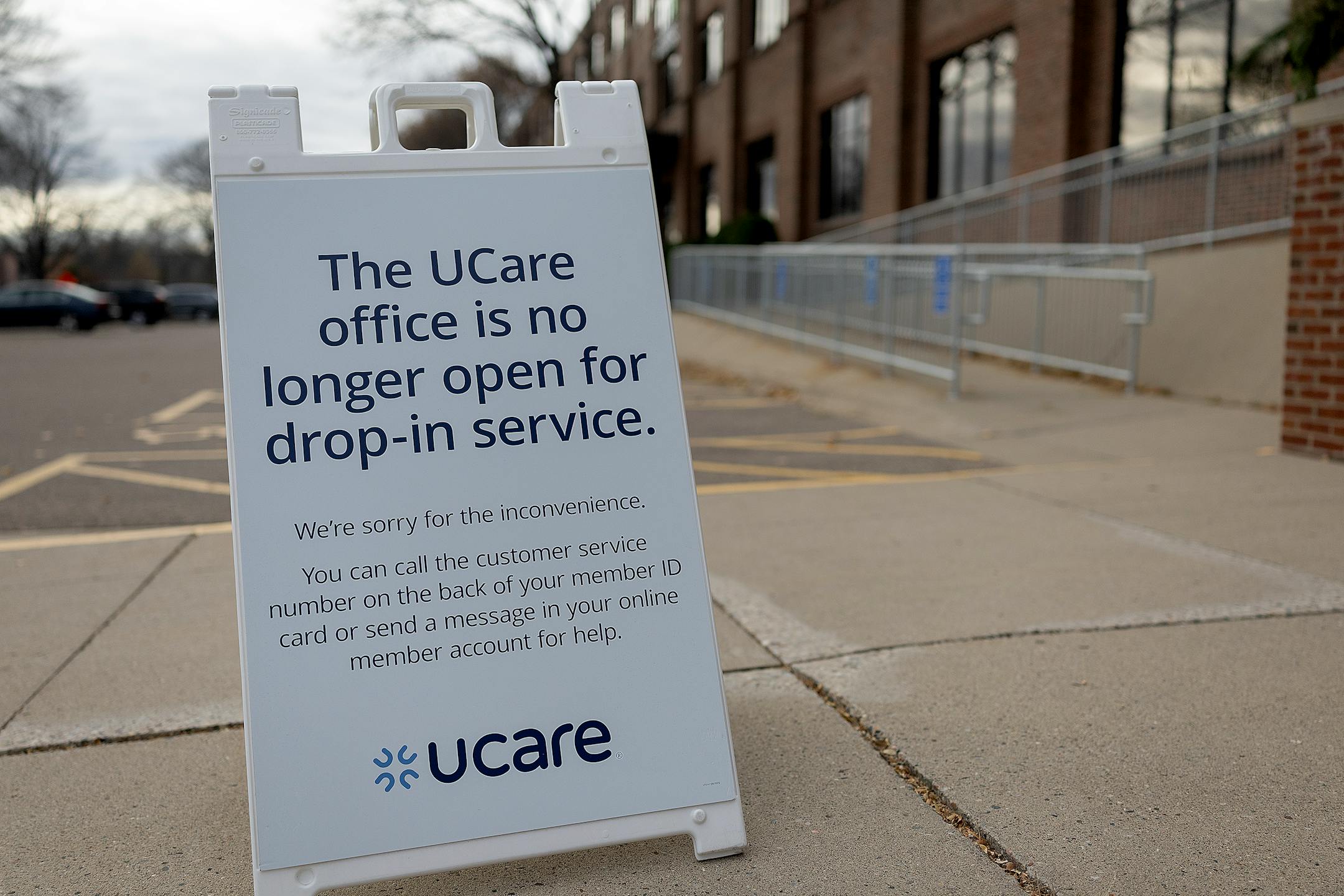
UCare health insurer to shut down next year as financial losses mount

About 300,000 enrollees will transition to Medica, setting the stage for closure of 40-year-old nonprofit UCare.

The Minnesota Star Tribune
November 17, 2025 at 11:24PM
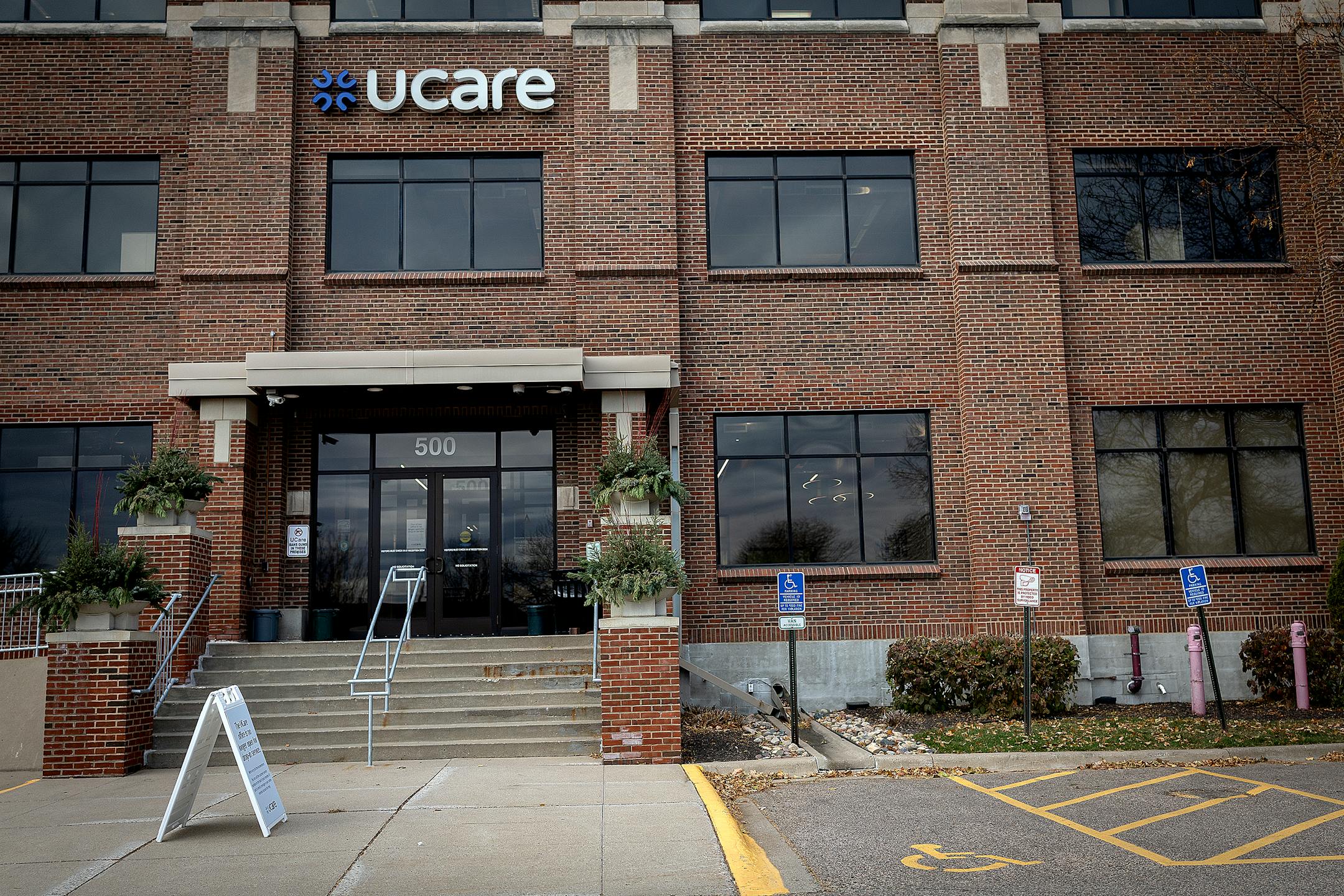
The exterior of UCare headquarters in Minneapolis on Monday. (Elizabeth Flores/The Minnesota Star Tribune)

UCare, a nonprofit that’s been one of the largest providers of health care coverage for seniors, low-income Minnesotans and those who buy their own insurance, will shut down next year following strategic errors and a series of financial losses.

The exact timeline is unclear, but the Minneapolis-based insurer announced Monday about 300,000 people receiving Medicaid and Affordable Care Act benefits through UCare will transition to Medica, a nonprofit health insurer based in Minnetonka. UCare already announced the end of its Medicare Advantage plans for next year.

Sources told the Minnesota Star Tribune the transaction will set the stage for winding down UCare in 2026. It’s too early to say how the closure will affect plan pricing in the wider market for government-funded insurance coverage, which has been its primary business.

UCare’s downfall illustrates how financial fortunes can quickly turn for a relatively small health insurer that’s not diversified beyond government programs, where payment rates in recent years have gotten much tighter.

It’s also a cautionary tale in strategic failure. UCare suffered big losses in Medicaid while trying to expand its Medicare Advantage business, the growth proving ill-timed as costs rose significantly and losses deepened.

It’s unclear what will happen to the roughly 1,450 people who work at UCare, although Medica said it will need more employees to handle the enrollment influx.

“Now we have the opportunity to build upon both Medica’s strengths and UCare’s legacy,” Lisa Erickson, the chief executive officer at Medica, said in a statement.

UCare has been in operation for more than 40 years, posting peak profits and record enrollment just a few years ago.

Medica is a nonprofit group that’s already larger than UCare, with about 1.4 million members. It’s also more diversified, with Medica running health plans for employers.

Medica is expected to acquire some contracts and assets from UCare with the deal’s anticipated close during the first quarter of 2026.

The insurer is looking to hire a “material number” of UCare employees, Erickson said, adding that the company will provide specifics “as fast as we possibly can.”

People now enrolled in UCare health plans will continue to receive coverage without interruption, the insurers say.

Patients won’t see any changes on Jan. 1, Erickson said in an interview. They’ll stick with their plans, without changes to insurance cards, deductibles or the networks of doctors and hospitals that accept their coverage.

Going forward, Medica will operate parallel offerings in the Medicaid and Affordable Care Act markets — its own set of products plus those carrying the UCare brand, which Medica is buying. Eventually, the insurer will look for ways to combine products for efficiency.

“But that won’t be right away,” Erickson said.

Hilary Marden-Resnik, UCare’s chief executive since March 2022, will not join Medica.

“This is a significant agreement that will enable us to preserve access to coverage for Minnesota’s most vulnerable members,” Marden-Resnik said in a statement.

UCare CEO Hilary Marden-Resnik touted growth plans before the health insurer suffered huge losses in the Medicare Advantage and Medicaid markets. (UCare/UCare)

For more than a decade, UCare has been one of Minnesota’s largest providers of Medicare Advantage coverage, where seniors receive their government-backed benefits through private health insurers.

Advantage plans have been a profitable market for health insurers for decades, but the government has tightened funding in recent years, tripping up even the largest insurers, including Eden Prairie-based UnitedHealthcare, the for-profit health insurer. Over the past five years, UnitedHealthcare significantly grew its Medicare Advantage business in Minnesota to rival UCare as the state’s second-largest seller of the plans.

Signs of financial strain emerged earlier this year. In September, UCare announced it was dropping Medicare Advantage health plans next year, forcing about 158,000 Medicare Advantage members to find new coverage.

Between January and June, premiums paid by the government and enrollees for Medicare Advantage coverage at UCare weren’t even covering the cost of medical claims, let alone the insurer’s overhead, financial records show.

UCare posted a loss of $115 million during the first half of 2025.

UCare’s troubles with the Medicare Advantage business were compounded by losses from state contracts for managing care for lower-income people with Medicaid benefits. In July, UCare announced it would stop providing Medicaid coverage in Ramsey and 10 other counties across Minnesota, forcing about 88,000 people to switch health plans.

The Medicaid losses mirror a national problem for insurers as healthy enrollees left coverage once states resumed eligibility checks. Insurers say this created a mismatch where government payments don’t fully reflect the medical needs of the pool of remaining enrollees.

Minnesota health insurers say the problem has been particularly bad here, with some suggesting an overcorrection by the government after insurers reported huge Medicaid profits in 2022 when patients did not use as much health care during the COVID pandemic.

There have been a series of job cuts this year at UCare. The first public shock wave from UCare came in April, when it reported 2024 financial results that were by far its worst ever, including a loss on operations of $504 million.

Total reserves fell from nearly $1.1 billion at the end of 2023 to about $595 million last year.

The exterior of the UCare headquarters building in Minneapolis on Monday. (Elizabeth Flores/The Minnesota Star Tribune)

Family medicine doctors at the University of Minnesota launched UCare in 1984 to see if an HMO could effectively and efficiently manage care for low-income patients covered by the state’s Medicaid program.

Over the years, UCare also started selling Medicare Advantage plans, a visible business the company marketed to seniors during open enrollment each fall.

UCare also developed health plans to sell to individuals and families buying through MNsure, the state’s health insurance exchange. In Minnesota, UCare is the largest seller of these health plans, which are subsidized under the federal Affordable Care Act.

At the end of last year, about 587,000 people had coverage from UCare.

about the writer

about the writer

Christopher Snowbeck

Reporter

Christopher Snowbeck covers health insurers, including Minnetonka-based UnitedHealth Group, and the business of running hospitals and clinics.

See Moreicon

More from Health Care

See More
card image
Jerry Holt/The Minnesota Star Tribune

Providers are facing shortages in both funding and staffing, leaving some with waiting lists for group homes.

card image