

The demand from the federal government to Minnesota leaders hasn’t relented for months: Hand over sensitive welfare data.
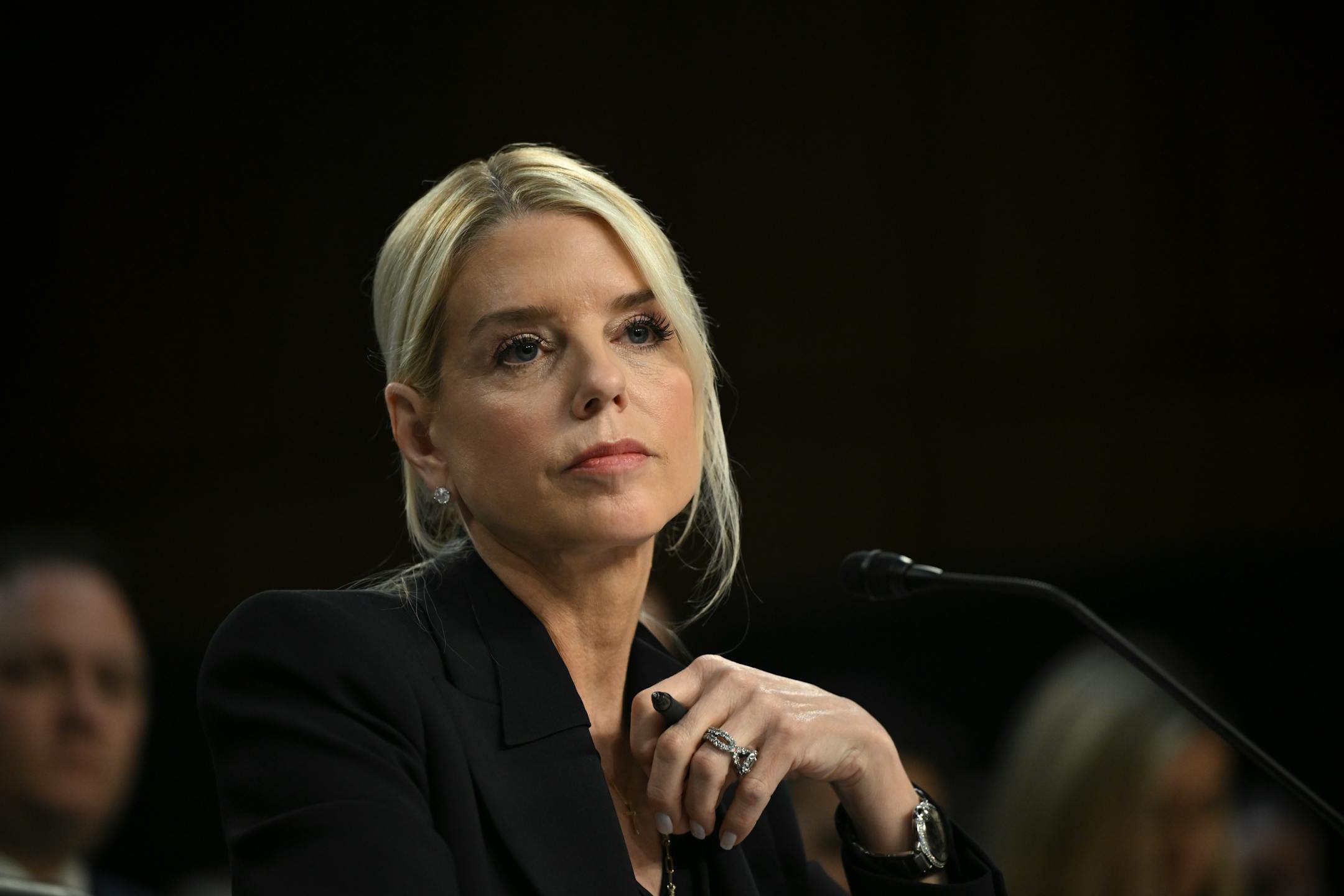
Starting this summer, the Department of Justice began pressing state officials to share Medicaid, nutrition assistance and voter information with the Trump administration. Attorney General Pam Bondi reupped her request the day federal agents killed Alex Pretti, penning a letter that Minnesota’s top elections official slammed as an “apparent ransom” to end the massive immigration operation rocking the state.
But why do Trump officials want this information? And are their demands to Minnesota — and a slew of other states — legal?
Here’s what you need to know.
What does the federal government want?
Bondi’s Jan. 24 letter, addressed to Gov. Tim Walz, urges the state’s Democratic leadership to take three actions to “bring an end to the chaos in Minnesota” and “restore the rule of law”:
- Share all Medicaid records and Supplemental Nutrition Assistance Program, or SNAP, data to allow the federal government to “efficiently investigate fraud.”
- Repeal sanctuary policies and ensure state detention facilities cooperate with U.S. Immigration and Customs Enforcement. (White House border czar Tom Homan, now leading immigration enforcement efforts on the ground, reiterated Jan. 29 that any rollback of federal agents would require the Department of Corrections and county jails to deliver undocumented immigrants to federal agents.)
- Allow the DOJ’s Civil Rights Division to access Minnesota voter rolls to “better guarantee free and fair elections.”
Why do federal authorities want this information?
White House officials say they’re seeking welfare and voter data to prevent fraud in Minnesota. President Donald Trump has cited the sprawling social services scandal as a reason to deploy thousands of federal agents to the area.
But the benefits information, which includes up-to-date addresses and phone numbers, could help the government identify undocumented people receiving assistance and “become a catalyst for immigration enforcement,” said Elizabeth Laird, a director at the Washington, D.C.-based Center for Democracy and Technology.
Vice President JD Vance confirmed during a Jan. 22 visit to Minneapolis that the administration wants to use welfare data to find undocumented immigrants.


