

Ramstad: With $1B vulnerable to social services fraud, Minnesota needs solutions, not noise

It’ll take more than appointing an inspector general. Structures need to change in state and local government.

Columnist Icon
The Minnesota Star Tribune
February 12, 2026 at 5:53PM
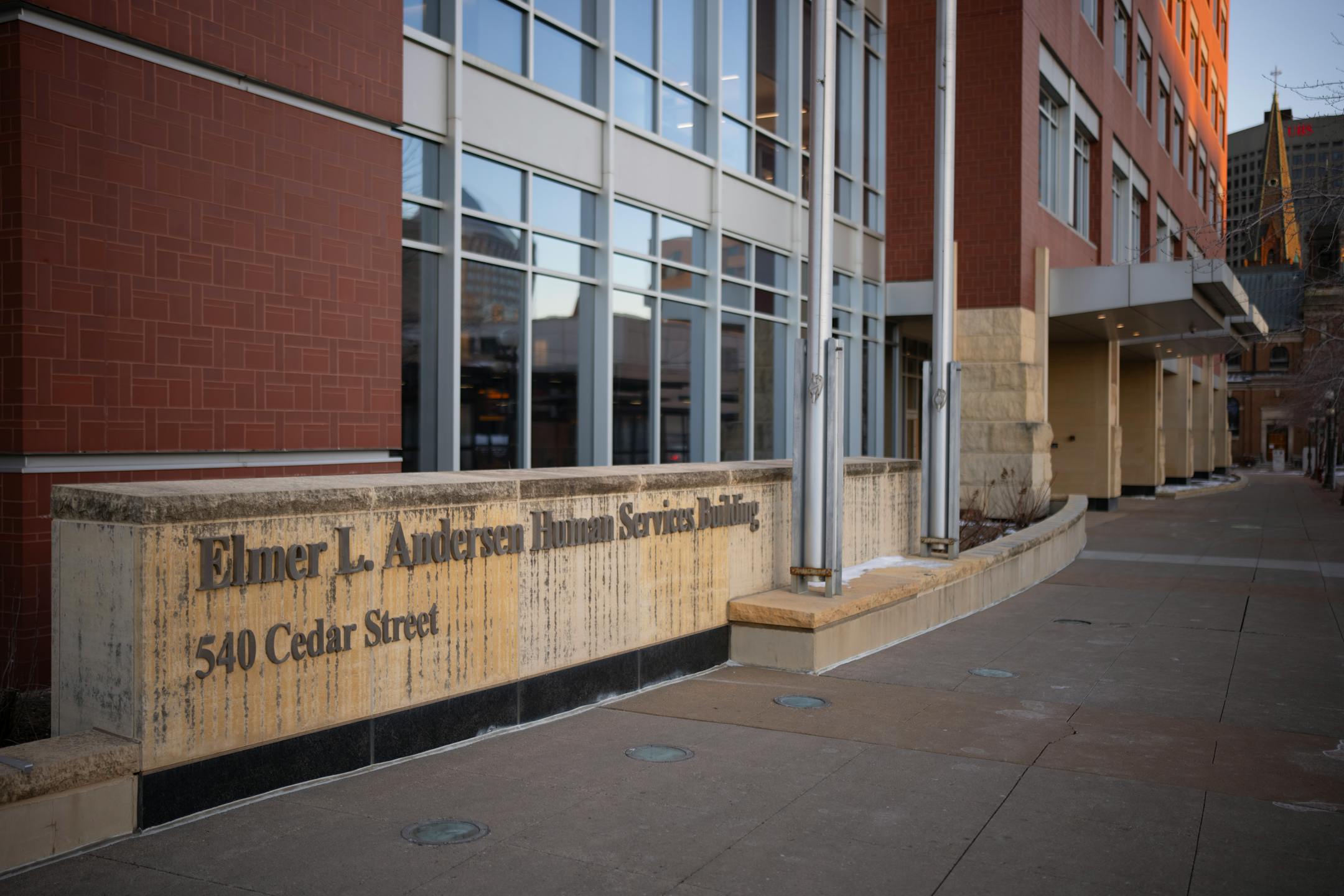
The Elmer L. Andersen Human Services Building in St. Paul. The building is home to the federally funded social services programs at the center of ongoing fraud investigations in Minnesota. (Jeff Wheeler/The Minnesota Star Tribune)

The noise and distortion around fraud in Minnesota’s government services is so loud that it drowned out one of the important developments of the past week: a legitimate, third-party estimate of state program spending considered “vulnerable” to fraud.

The figure was $1.03 billion, included in 14 Medicaid-related programs over a four-year period in which spending would have been in the $30 billion to $40 billion range.

It came on Feb. 6 in a report that Optum, the data services unit of Eden Prairie-based UnitedHealth Group, prepared after a three-month review conducted at the behest of Gov. Tim Walz.

That review was not all-encompassing, and the figure itself is not an indication of fraud. And it had nothing to do with the Feeding Our Future prosecutions that unfolded in Minnesota over the past four years, which involved $246 million billed to government for child nutrition services, of which $128 million was identified as fraudulent.

But it’s a starting point for deeper digging into human services programs that became a concern after they expanded under pandemic relief in 2020 and legislation in 2023.

At the news conference where the report was presented, much of the attention concentrated on early autism intervention claims, which Optum cited for an unusually high rate of problems. Some of those problems, state officials said, may not have been fraud but were simply instances where procedures weren’t correctly followed.

Fraud implies intent. Optum’s report shone a light on holes and deficiencies in processes that could allow fraud to occur.

Once you absorb details like that and put aside the clamor of politicians throwing out big, context-free numbers about fraud, you quickly realize how much work lies ahead for state agencies and legislators. And you also realize it will take more than a new leader, whether it’s a governor, an inspector general or an agency head, to fix the problem.


Fortunately, other Minnesotans who know state government well are also stepping up to identify how structures and systems can be changed to prevent fraud.

In an essay on the Minneapolis Times website this week, Hamline University political scientist David Schultz plotted out 50 years of rising social services and declining oversight that climaxed during the pandemic-era flood of government relief.

Over that half century, federal and state agencies evolved away from directly providing human services and toward contracting with nonprofit and for-profit companies to do it. That set the stage for fraud of the type that emerged in Minnesota in recent years.

Schultz also argues that a separate series of steps over the years eroded oversight. One was the elimination of the state treasurer in 2003. Another was a legislative decision in 2015 to allow counties, which primarily deliver human services in Minnesota, to opt out of audits done by the state Auditor’s Office.

“Had Minnesota’s Legislature strengthened rather than weakened the state treasurer and state auditor functions, maintained adequate staffing for compliance monitoring throughout the privatization era, and invested in modern real-time auditing systems when it expanded spending in 2023, the fraud problems might have been prevented or detected far earlier,” Schultz wrote.

The extra layer to that diagnosis is a system of hiring, firing and moving people around in state agencies that has grown long in the tooth. Or, in the persecutional terms of conspiracists, a deep state that has kept its power by being stuck in the past.

The Legislative Auditor’s Office, in a report last month criticizing the grantmaking process at the Department of Human Services’ Behavioral Health Administration (BHA), zeroed in on the absence of risk management in every classification of grant-related jobs.

In interviews with BHA workers, the legislative auditor found the agency again and again hired clinicians with subject-matter expertise, then thrust them into fiscal management roles in which they had no experience.

The outdated job classification system has been the bane of appointed agency leaders for years. The tax watchdogs at the Minnesota Center for Fiscal Excellence have produced a number of reports about the growing tension and inefficiency.

“To prevent fraud, Minnesota’s human capital system needs as much attention as the state’s integrity policies and investments,” the center says in a new report, which includes an analysis of the legislative auditor’s findings on the BHA.

For a state with a long history of generous government benefits, there’s an opportunity in this fraud crisis to shake off the cobwebs and deliver human services more efficiently and securely.

DFLers will have to confront their campaign contributors in state and local worker unions — and possibly cut state jobs. Republicans will have to move beyond finger-pointing and bear down on details that don’t make headlines or stoke anger.

When the legislative session begins next week, we should be able to tell very quickly whether lawmakers recognize the grinding work ahead or merely want to create soundbites for their 2026 election ads.

about the writer

about the writer

Evan Ramstad

Columnist

Evan Ramstad is a Star Tribune business columnist.

See Moreicon

More from Business

See More
card image
Jeremy Olson/The Minnesota Star Tribune

The funding, temporarily preserved by a judge’s order, supported nurses and others providing rural health access as well as efforts to prepare for public health emergencies.

card image
A logo sign outside of a facility occupied by Cargill Animal Nutrition in Little Chute, Wis., on June 24, 2018.