Editor's Pick

Editor's Pick

State agency whistleblowers say fraud concerns were ignored for years

Staff members at the Minnesota Department of Human Services say they’ve faced retaliation for bringing up red flags, long before social services fraud in Minnesota became national news.

The Minnesota Star Tribune
January 31, 2026 at 12:00PM
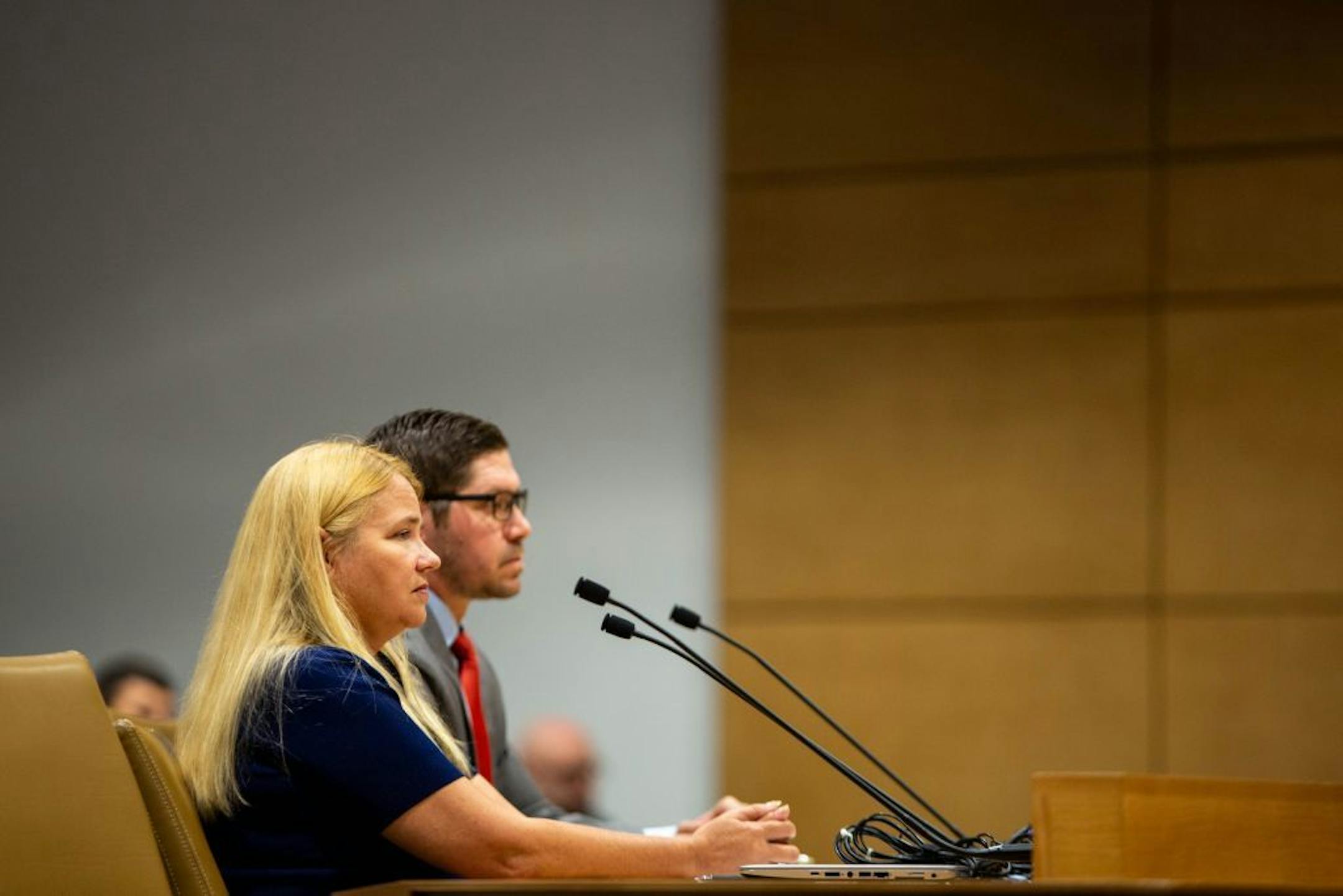
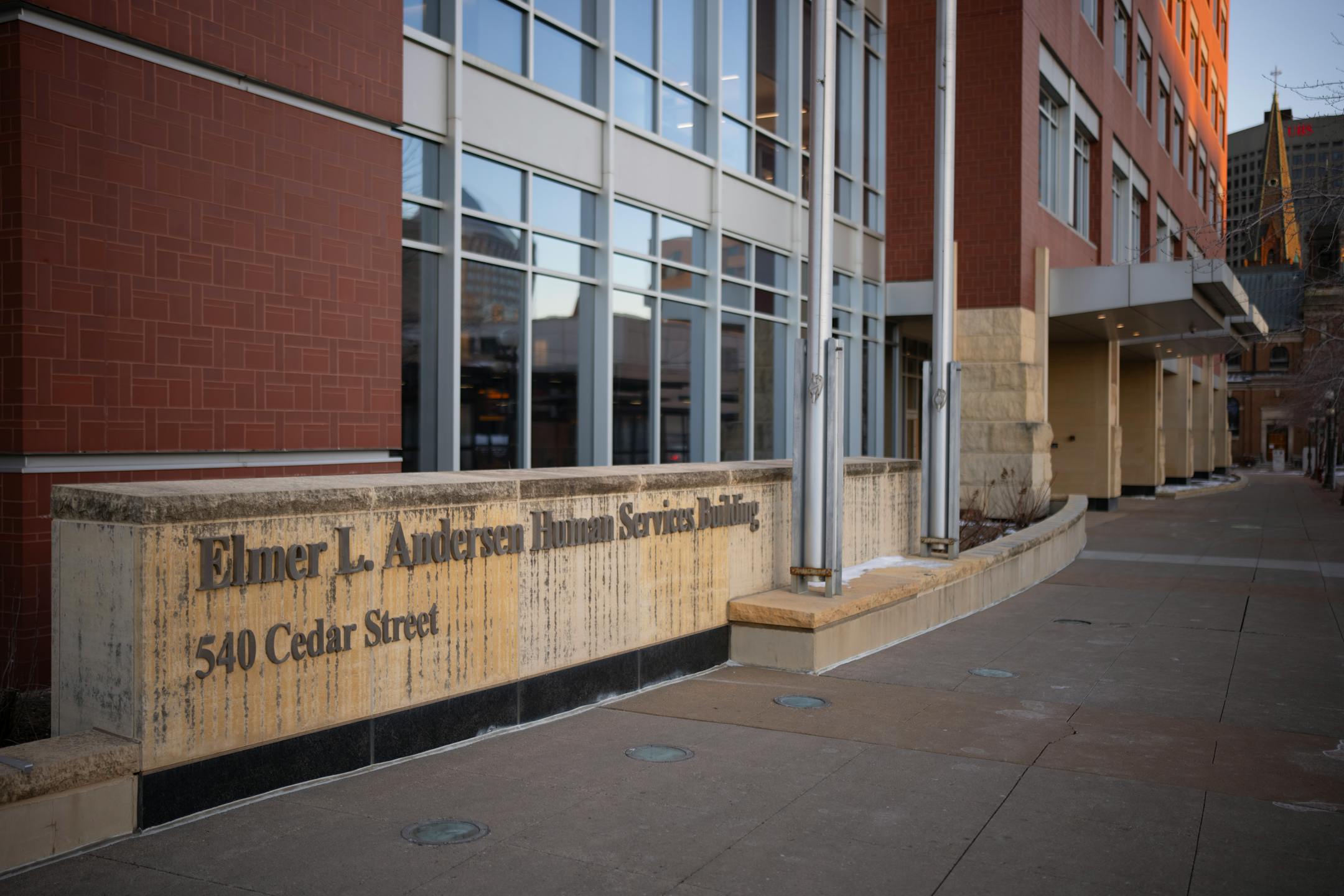
Staff members at the Minnesota Department of Human Services say they’ve faced retaliation for bringing up red flags, long before social services fraud in Minnesota became national news. (Jeff Wheeler/The Minnesota Star Tribune)

An anonymous letter asking Congress to investigate “serious and systemic” failures within Minnesota’s Department of Human Services is the latest in years of efforts by whistleblowers to raise concerns about the agency.

The letter’s unnamed authors, who describe themselves as current and former state employees, said they have been flagging problems, including potential fraud and lax program safeguards, since 2019.

“Those warnings were ignored, dismissed, or met with retaliation,” they wrote in a seven-page note to the U.S. House Oversight Committee, in which they describe a toxic workplace and “governance failure with statewide and federal implications.”

Whistleblower allegations, particularly stories of retaliation, have become fodder in a partisan fight over how Democratic Gov. Tim Walz’s administration has dealt with social services fraud.

In state and federal hearings, Republican legislators have shared stories about Minnesota employees reportedly being surveilled and threatened by their bosses. Meanwhile, state officials said they have strong processes to protect staff who report concerns or potential misconduct.

“Any perception that employees are being discouraged from raising issues, or that efforts are being made to identify those who speak up, is false and runs counter to our values and expectations,” Human Services officials said in a statement.
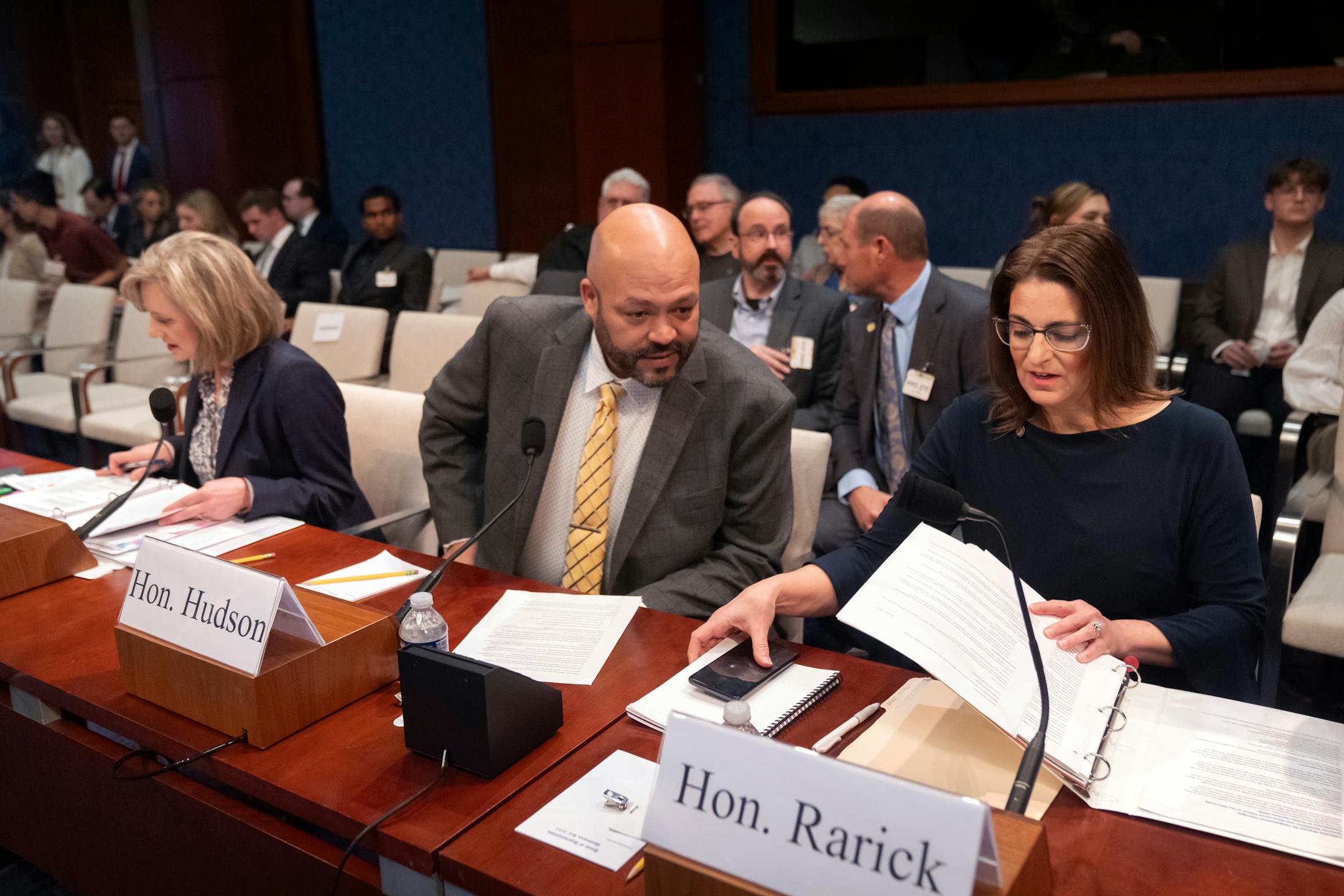
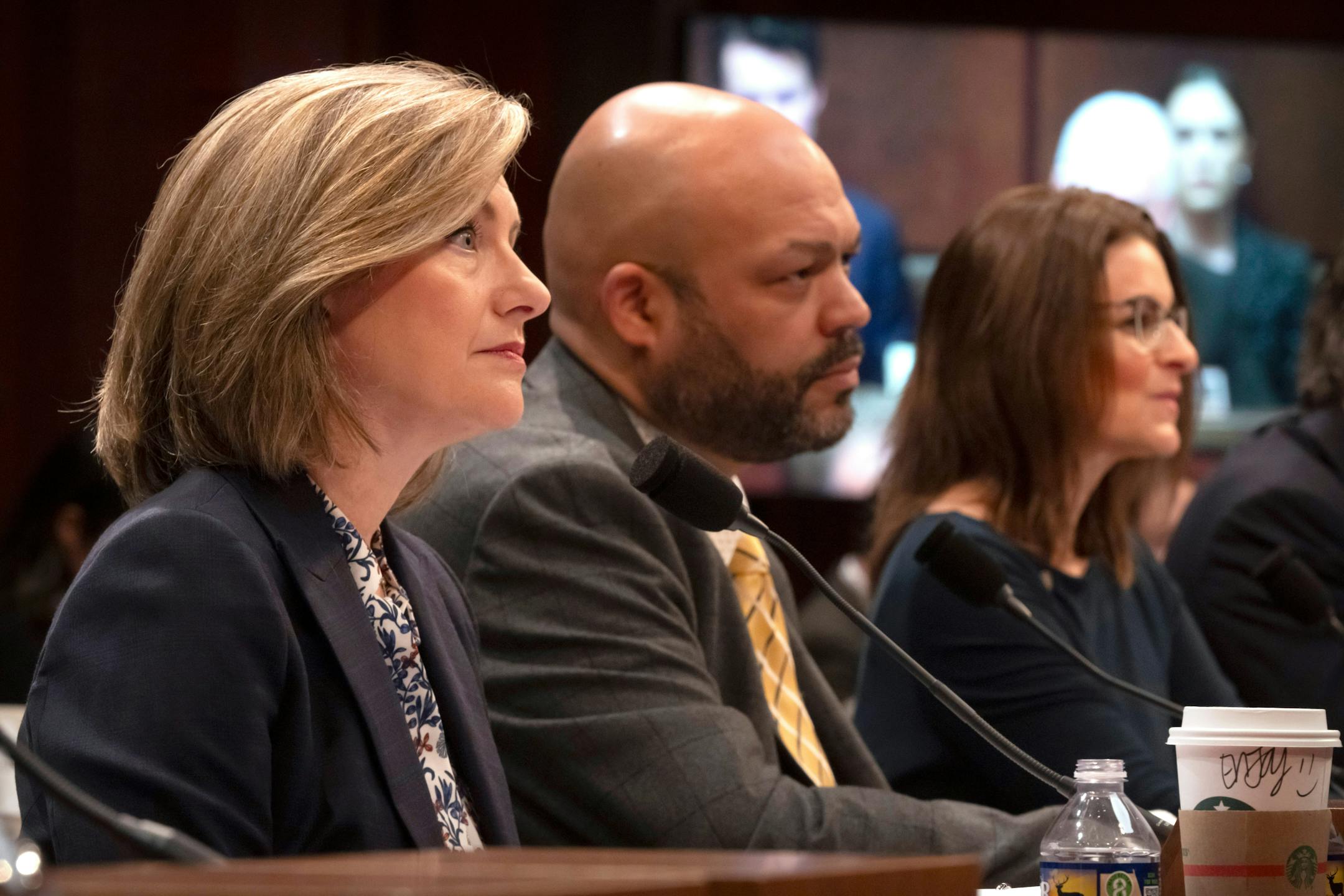
From left, Minnesota state Reps. Kristin Robbins, Walter Hudson and Marion Rarick sit before a hearing of the House Committee on Oversight and Government Reform on Jan. 7 in Washington. (Mark Schiefelbein/The Associated Press)

It’s unclear how many people fear retaliation at the large state agency — which has a $25 billion budget and 2,300 employees and has been in the national spotlight over its failure to prevent fraud in Medicaid-funded services. But a lack of attention to employee qualms appears to be a common issue.

A survey published this month in a legislative auditor report found staff members who do behavioral health work in the Human Services Department largely do not have ethical or legal concerns with leadership. However, many said leaders do not value employee input and have not appropriately handled their concerns.

A handful of current and former Human Services staff told the Minnesota Star Tribune about instances where they raised concerns and were ignored or, in a couple of cases, felt they experienced retaliation. Some asked not to be named for fear of retribution.

People working in social services outside of state government have also said the Department of Human Services did not adequately follow up when they shared information about potential bad actors in Medicaid programs now designated as high-risk for fraud, including the Housing Stabilization Services program and peer recovery services for substance use disorder.

While fraud is dominating conversations now, it seemed like no one wanted to talk about it before, said Randy Anderson, who leads Bold North Recovery, an organization that trains people to do peer recovery work. He said he started reporting suspected fraud to government agencies in 2022.

“I continued raising concerns for nearly two years, yet no one from any of those agencies reached out to learn more until the media started running stories about the very same issues,” Anderson said. “To me, that represents a serious failure by the people charged with safeguarding our tax dollars and our most vulnerable communities.”

Longstanding issues

Allegations of retaliation and unheeded red flags in the Human Services Department are not new.

In 2019, Faye Bernstein, then a lead contract specialist with the agency, made headlines when she said she was reprimanded and blocked from effectively doing her work after raising concerns about the legality of drug abuse prevention contracts.

Former Human Services Commissioner Jodi Harpstead took over that year as the department was under fire for the retaliation allegations, as well as poor financial controls. She said her top priority was to rebuild trust both in and outside the agency.

In the years since, Bernstein has stayed on at the department but said she has been “shuffled from one meaningless job to another” and given busy work. She believes the state’s treatment of whistleblowers has gotten worse.

She cited an email that has been widely shared during the past couple of years in which then-interim Deputy Assistant Commissioner Emmanuel Nwala talked about a message going around that “has not said anything nice about me” and how he is trying to track down who sent it.

Human Services Program Consultant Fay Bernstein speaks during a senate hearing about recent events in the Minnesota Department of Human Services at the Minnesota Senate Building Tuesday, August 13, 2019.
Human Services program consultant Fay Bernstein speaks during a Minnesota Senate hearing about recent events in the state's Department of Human Services in St. Paul on Aug. 13, 2019. (Star Tribune/The Minnesota Star Tribune)

“I wanted to reach out to my colleagues that I did intelligence research with in the Army and give them the IP addresses and the email address to track to specific location,” Nwala wrote, but added that upper leadership asked him to hold off ”as they are doing their own thing with it."

Nwala and the department did not respond to questions about the email.

Other surveillance fears were detailed in the anonymous letter submitted to Congress earlier this month, which alleges department officials did keyword searches for phrases like “Medicaid fraud” and “unqualified leadership” then herded up and interrogated concerned employees.

That lengthy letter also lists numerous examples of retaliation, from reassigning people away from sensitive work to “insinuated threats to life.”

Bernstein said no single individual is responsible for a culture at the Department of Human Services where people are afraid to raise concerns and where she said “groupthink” is pervasive.

”If you have the guts to be the minority opinion, on really darn near anything, you will be targeted,” she said.

Former state social worker Abraham Segovia also said he was labeled a “pot stirrer” after speaking out about poor food quality for patients at the state community behavioral health hospital in Rochester.

“They were there for mental health, and we were feeding them worse than dog food,” he said.

His concerns fell on deaf ears, Segovia said, so he bypassed the “chain of command” and raised the issue with higher-ups. After that, he said he was excluded from meetings of a grievance committee he previously had been a part of that reviews patients’ concerns. After four years with the department, he said he left in 2024 because he felt retaliated and discriminated against.

Trying to build trust

Harpstead left the agency at the start of last year, and Shireen Gandhi, formerly a deputy commissioner, was named temporary commissioner.

Gandhi said in a statement that employee voices matter and will continue to guide agency efforts to strengthen their workplace culture, adding that they are developing an action plan based on a recent employee survey.

The survey aimed to gauge how staff feel about “workplace engagement and inclusion.” It didn’t ask about retaliation or leaders’ responsiveness to concerns.

However, it did question whether people would feel comfortable reporting to an appropriate authority if they experienced workplace misconduct. The vast majority of people said they would, and the percentage of people who would feel comfortable reporting has improved since 2018.

“It can be hard to speak up. It takes trust and vulnerability to do so. When employees feel heard and trusted, they are better positioned to surface risks early, improve systems, and deliver strong outcomes for Minnesotans,” Gandhi said in a statement.

She pointed to numerous ways employees can report concerns, including the agency’s fraud and waste tip line, flagging the agency’s human resources director or chief compliance officer or going outside of the department to the Bureau of Criminal Apprehension or Office of the Legislative Auditor.

X account condemns DHS

An X account that purports to represent 480 state staff has asserted that Gandhi, who previously oversaw areas including compliance and finance, should not be leading the department.

The account, now titled “Minnesota Staff Fraud Reporting Commentary,” has posted anonymously for years about alleged problems in the Human Services Department, from leaders lacking adequate credentials to grant dollars mismanaged and employees surveilled. Those behind the account did not respond to reporter requests.

It has become increasingly political. The account now largely focuses on attacking the Walz administration, with recent posts calling Walz a “self-serving narcissist” and saying Gandhi is “pure evil, enabling massive fraud, corruption, and RETALIATION at DHS since 2017.”

A Department of Human Services spokesman said he can’t confirm whether the account is run by employees and that it does not represent the agency’s views.

“However, in instances where specific and actionable information is posted to this account, DHS takes steps to look into the allegations,” he said in a statement.

Political divide

Republican state Rep. Kristin Robbins, who leads the state House’s Fraud Prevention and State Agency Oversight Committee and is running for governor, said she has heard many reports of retaliation, such as people being denied promotions. She called whistleblowers “the heroes of this story.”

“They have come forward under great stress,” Robbins said, adding that “they want good government, they want to clean it up.”

From left, Minnesota state Reps. Kristin Robbins, Walter Hudson and Marion Rarick sit during a hearing of the House Committee on Oversight and Government Reform on Jan. 7 in Washington. (Mark Schiefelbein/The Associated Press)

While GOP state legislators have highlighted whistleblower stories, including sharing them at a recent congressional hearing, Democrats and officials in the Walz administration said they haven’t heard the same level of concern.

During the Fraud Prevention Committee’s most recent hearing, Minnesota Management and Budget Commissioner Erin Campbell — whose department manages human resources — said she wished someone would tell her if retaliation is occurring so they could address it. She said she was only aware of one instance where whistleblower concerns had been brought to the department.

Rep. Dave Pinto, the DFL lead for the Fraud Prevention Committee, also said whistleblowers haven’t come to him. He condemned Republican lawmakers’ creation of a tip line that only sends information to GOP legislators, bypassing their Democratic counterparts and Walz’s administration.

“If somebody has information about wrongdoing and public dollars going to the wrong places, we want that information,” Pinto said. “And if they are being retaliated against or punished in some way, that is obviously unacceptable. And we would want to know about that and take action.”

about the writer

about the writer

Jessie Van Berkel

Reporter

Jessie Van Berkel is the Star Tribune’s social services reporter. She writes about Minnesota’s most vulnerable populations and the systems and policies that affect them. Topics she covers include disability services, mental health, addiction, poverty, elder care and child protection.

See Moreicon

More from News & Politics

See More
card image
Jeff Wheeler/The Minnesota Star Tribune

Immigration sweep brings overcrowded rooms and overflowing toilets. Lawyers say they can’t visit their clients. The Department of Homeland Security says “all detainees receive full due process.”

card image
card image