Minnesota is failing to properly manage and safeguard behavioral health grants, according to a new audit.
It was a familiar finding.
The state Office of the Legislative Auditor has long warned of weak oversight and poor financial controls in various social services programs. Now, with a national spotlight on investigators’ growing tally of fraud in Minnesota, auditors found another area where taxpayer dollars are not being properly managed.
But, in this review, they encountered something that Legislative Auditor Judy Randall said was “frankly unacceptable,” and that she had not previously seen in her more than 27 years doing the work.
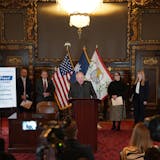
Randall told lawmakers at a Jan. 6 meeting of the Legislative Audit Commission that there were systemic issues where staff failed to do proper documentation and, when auditors sought information, they created documents and backdated them to look like they had been done earlier.
While that isn’t necessarily a violation of state law, Randall said it undermines audit integrity and their goal of discovering what needs to improve in a program.
Despite some unreliable documentation, auditors conducted a broad assessment of how the state is handling money that is supposed to help people with mental health and substance use disorders. They looked at a sample of behavioral health grant activity between July 2022 and December 2024. During that timeframe, behavioral health grant expenses totaled more than $425 million.
They found widespread problems, including: