

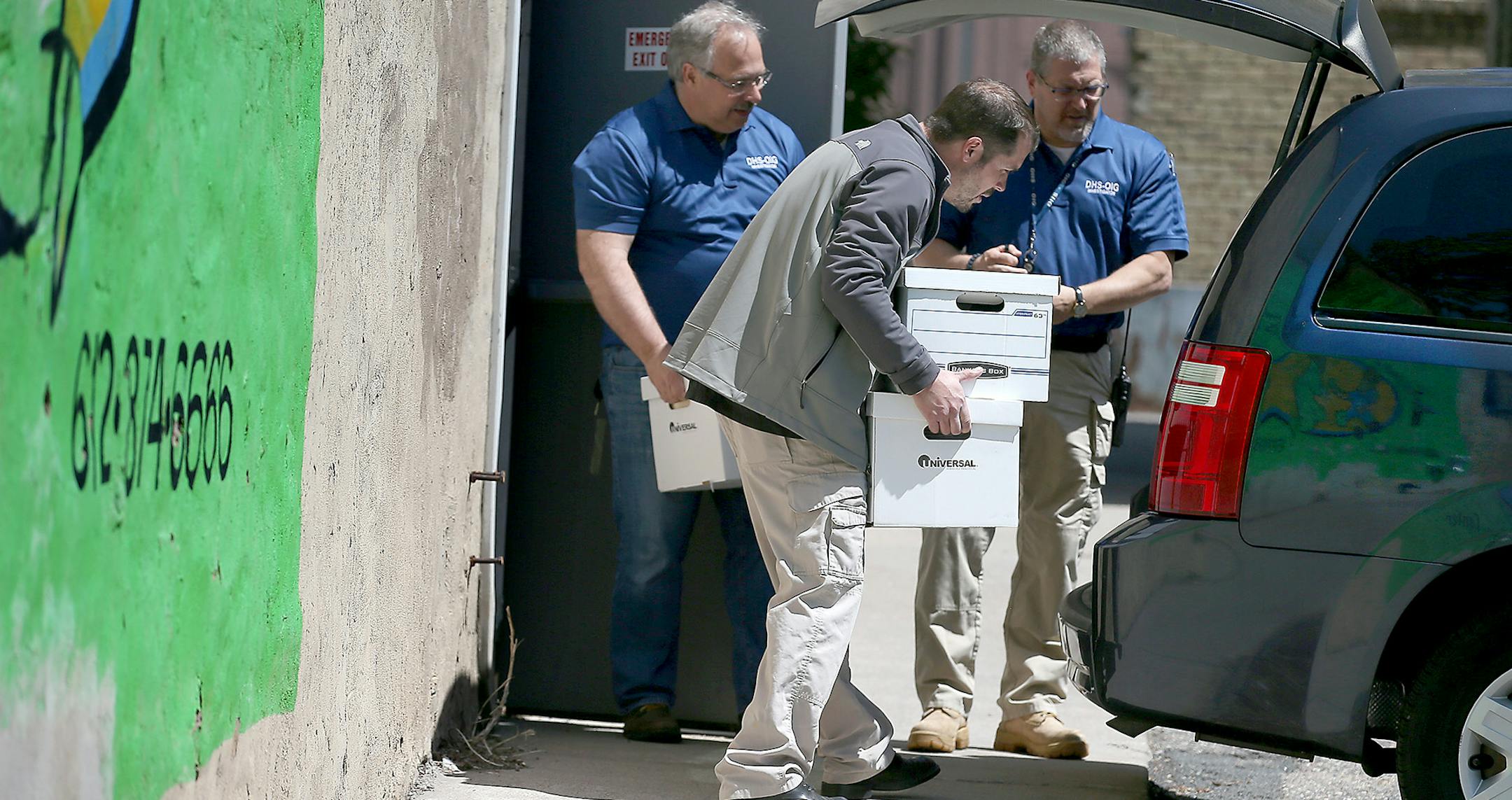
The Minnesota Department of Human Services (DHS) has gained sweeping new powers to investigate and prosecute child care fraud, following the discovery that some providers are exploiting poor parents and their children to obtain cash assistance from the state.
State investigators say they have uncovered an elaborate pattern of fraud involving the unauthorized billing of Minnesota's $226 million, state-funded child care subsidy program for poor families. In many cases, child care providers actively recruit low-income parents as employees on the condition that they enroll their children using public subsidies. The schemes, which reach into the millions of dollars, capitalize on poor children and divert taxpayer money away from the intended families, state officials say.
In response, the 2015 Legislature gave the agency a host of new anti-fraud powers. Starting this month, the DHS Office of Inspector General has the authority to recoup payments from child care centers that fail to document that services were actually provided. The law also makes it a criminal offense for child care providers to recruit employees based on eligibility for public benefits or family status.
Already, more than a dozen investigations of child care fraud are underway statewide, and state officials expect to ratchet up enforcement efforts as the new powers go into effect later this summer.
"We hope that providers are going to wake up and notice that it's not business as usual anymore for billing child care assistance," said DHS Inspector General Jerry Kerber. "There is a whole new level of accountability."
Kerber declined to discuss the pending investigations, but said that "significant dollars are involved." Some of the centers bill the state more than $100,000 per month, he said.
Regulating CCAP
The reforms are designed to close long-standing gaps in the regulation of the state's publicly funded Child Care Assistance Program, or CCAP, which subsidizes the child care expenses of about 30,000 low-income children per month. Until now, the prosecution and investigation of fraud in the CCAP fell to Minnesota's 87 individual county prosecutors, who often lacked the staff and resources to pursue complicated fraud cases that spanned multiple counties.
The result was a patchwork of enforcement efforts that enabled child care centers to continue billing for services even when there was little or no documentation showing the children were actually present. In some cases, child care owners would recruit low-income parents as employees and then provide the parents with fictitious pay stubs to ensure eligibility for assistance, DHS officials said.


