Seven takeaways from a new audit show major shortfalls in state monitoring of behavioral health grants

An audit found extensive problems with behavioral health grants and deeper concerns at the Department of Human Services.

The Minnesota Star Tribune
January 8, 2026 at 4:46PM
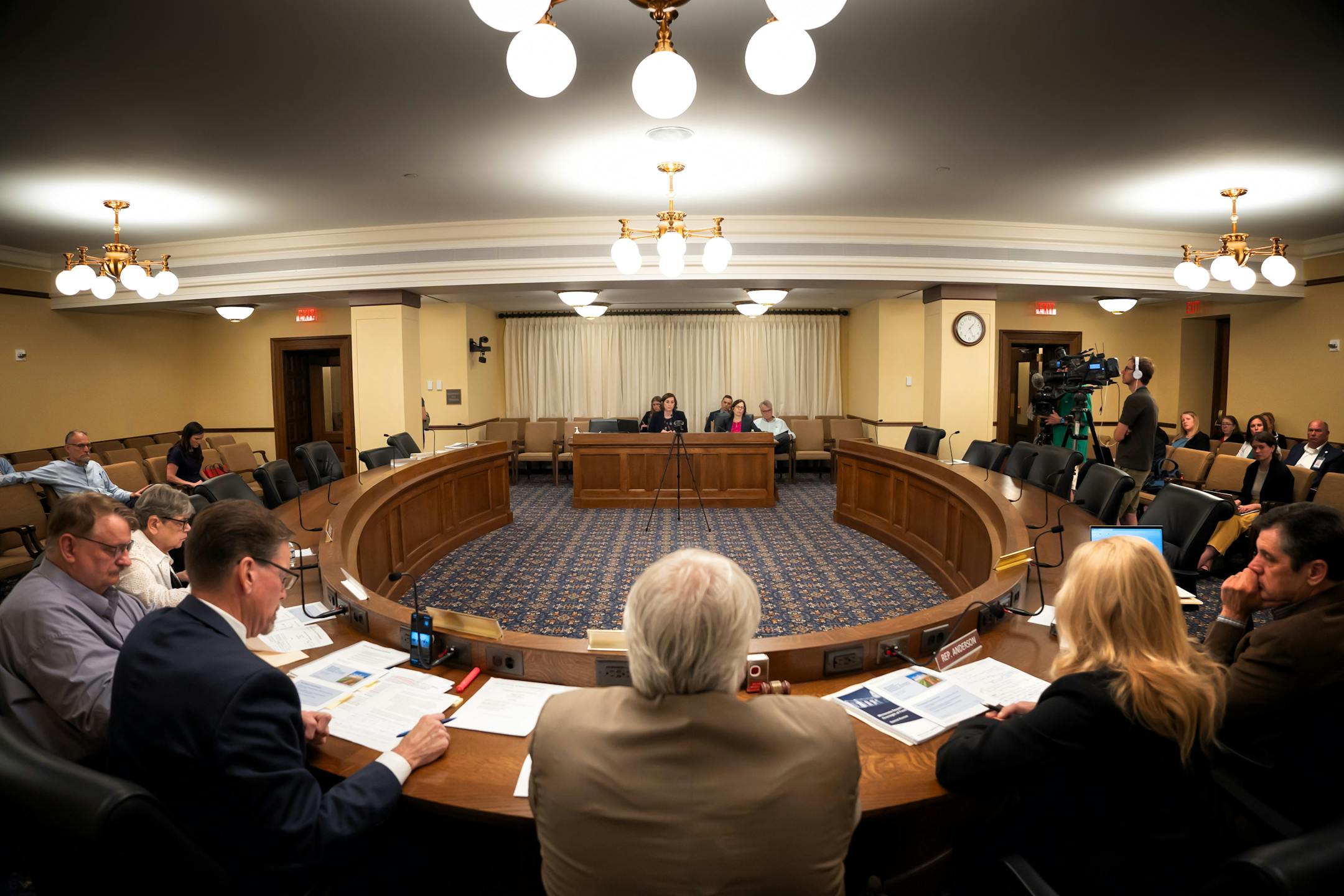
Members of the State Legislative Audit Commission listen as Special Reviews Director Katherine Theisen and Legislative Auditor Judy Randall deliver a special report about the Minnesota Department of Education's oversight of Feeding Our Future in June 2024. (Glen Stubbe/The Minnesota Star Tribune)

The striking discoveries just kept coming as auditors laid bare their examination of how the state is falling short in its oversight of grants for services to people with mental health and substance use disorders.

They found gaps in monitoring of grant recipients. State policies weren’t followed. Employees reported insufficient training and said their concerns were ignored. And in some cases, when auditors asked about documents, the Department of Human Services (DHS) staffers created the paperwork and backdated it to look as though it had been done earlier.

In its audit presented Jan. 6 to legislators, the Office of the Legislative Auditor looked at management of behavioral health grants, which are supposed to support prevention, treatment and recovery services. Grant expenditures from July 2022 through December 2024 totaled more than $425 million, but auditors just examined a sampling of the 1,044 grants that went to nongovernmental organizations during that time.

They found the Behavioral Health Administration, which is part of the DHS, did not comply with most of the requirements they reviewed.

As Minnesota draws intense national scrutiny for a growing number of fraud cases in various human services programs, the audit provided a look into how part of the agency that oversees many of those programs is falling short in its work to safeguard public dollars.

Here are key takeaways from the audit:

Grant monitoring fell short

The state did not get all required progress reports from grantees and issued funds to organizations with past-due reports. It also overpaid two grantees a total of nearly $42,000 and didn’t identify it had done so until auditors spotted it.

State policies require agencies to do monitoring visits to track the performance of grants above $50,000. The state could not demonstrate that it did 27 of the 67 grantee monitoring visits auditors reviewed. And the majority of visits that were conducted were done over the phone or virtually.

Potential conflict of interest

Auditors showed up in person at eight grantees — with a 24-hour notice — to see how things were going. They saw grant-related activities, such as mental health therapy rooms and storage rooms containing naloxone kits, at seven of those sites.

But at one site visit, they questioned whether the grantee was providing services. The provider could not show detailed invoices and program participant data to support the more than $672,000 payment it received from the state to do a month of work.

What’s more, auditors discovered the state grant manager who awarded the organization that money left the state a few days later. They found the former employee later started doing consulting work for the grantee.

DFL Rep. Emma Greenman said there is likely bipartisan support for taking action to prevent that “revolving door.”

“It does feel like an easy fix, which is: We should not have an incentive structure where people who work for the government then go and get either grants or contracts, tax incentives,” she said.

Staff concerns ignored

The audit also raised questions about the leadership and culture in the Behavioral Health Administration.

A survey of behavioral health staff found that while few workers raised ethical or legal concerns with leadership, they did report poor practices. Roughly a third of those surveyed said leadership didn’t value employee input.

“Executive leadership has repetitively shown staff that they won’t take the staff’s concerns or questions seriously until something serious happens or it makes the news,” one staff member responded.

Documents backdated

There were systemic issues with employees failing to do proper documentation and then creating and backdating the paperwork when auditors asked for it, Legislative Auditor Judy Randall said.

While Randall said there had been suspicions of such behavior during past audits, this was the first time in her nearly three decades of doing the work that it was clear it had occurred.

She said it isn’t technically illegal, but it undermines audit integrity and their ability to find a program’s strengths and weaknesses.

Insufficient training

Nearly three-quarters of behavioral staff surveyed said they did not get sufficient training before they started managing grants.

Just 19% said they completely understand how to appropriately do financial reconciliation of grantee expenses. The reconciliation process involves checking reimbursement requests against supporting documents, like payroll records.

Competitive bidding bypassed

Auditors looked into so-called “single source grants” where the state gives money to one organization without soliciting multiple bids. They found the state used this process in cases where it was not justified.

The state also bypassed the competitive bidding process in a mental health funding opportunity and instead paid $2.5 million to 13 organizations that already had existing grants.

Issues flagged before

This isn’t the first time that major issues with the state’s behavioral health work have been flagged.

Four of the 12 findings in the Jan. 6 audit were repeated issues that had previously been identified, including failure to do or obtain grantee performance evaluations, progress reports, monitoring visits and financial reconciliations.

A 2021 audit also found the Behavioral Health Division mismanaged and violated legal requirements in its handling of grants.

The Office of the Legislative Auditor also looked into the division in 2024 and recommended changes to prevent conflicts of interest and ensure grants don’t go to financially risky applicants.

Temporary DHS Commissioner Shireen Gandhi told lawmakers it’s very frustrating to have repeat findings. She said the agency needs to “dig harder,” and in addition to more training it will add controls to prevent staff mistakes.

Gandhi said she agrees with the latest audit’s findings and said the agency had been working on numerous systemic changes as the audit was conducted.

In a letter responding to the audit, Gandhi said the recommendations “will serve as a road map as we continue strengthening our oversight and the integrity of behavioral health grants.”

about the writer

about the writer

Jessie Van Berkel

Reporter

Jessie Van Berkel is the Star Tribune’s social services reporter. She writes about Minnesota’s most vulnerable populations and the systems and policies that affect them. Topics she covers include disability services, mental health, addiction, poverty, elder care and child protection.

See Moreicon

More from News & Politics

See More
card image
Anthony Souffle/The Minnesota Star Tribune

The state Department of Human Services’ moratorium will last at least six months. It comes as Minnesota is under national scrutiny for fraud in social services programs.

card image
card image