


Opinion editor’s note: Strib Voices publishes a mix of commentary online and in print each day. To contribute, click here.
•••
Picture an oily 12-year-old Boy Scout, one shirttail dangling on his rumpled khaki shirt, kicking rocks on some back road along Minnesota’s Iron Range. That was me. Once, during a badge workshop, I announced to our troop that I wanted to become a chemist.
“No, you don’t,” said our senior patrol leader, an Eagle Scout whose uniform was crusted with Patton-like decoration.
I protested, so he wrote out a complex chemistry equation on a piece of paper and asked, “Does this look interesting?”
It did not. Thus ended my career in chemistry, until now.
Today, the fate of 4,000 jobs on the Iron Range, billions of dollars and the health of Minnesota waters rest on a chemistry equation, not much different from the one that frightened me all those years ago. To best serve the place and people I’ve loved all my life, I would have to do the unthinkable. I would have to learn chemistry.
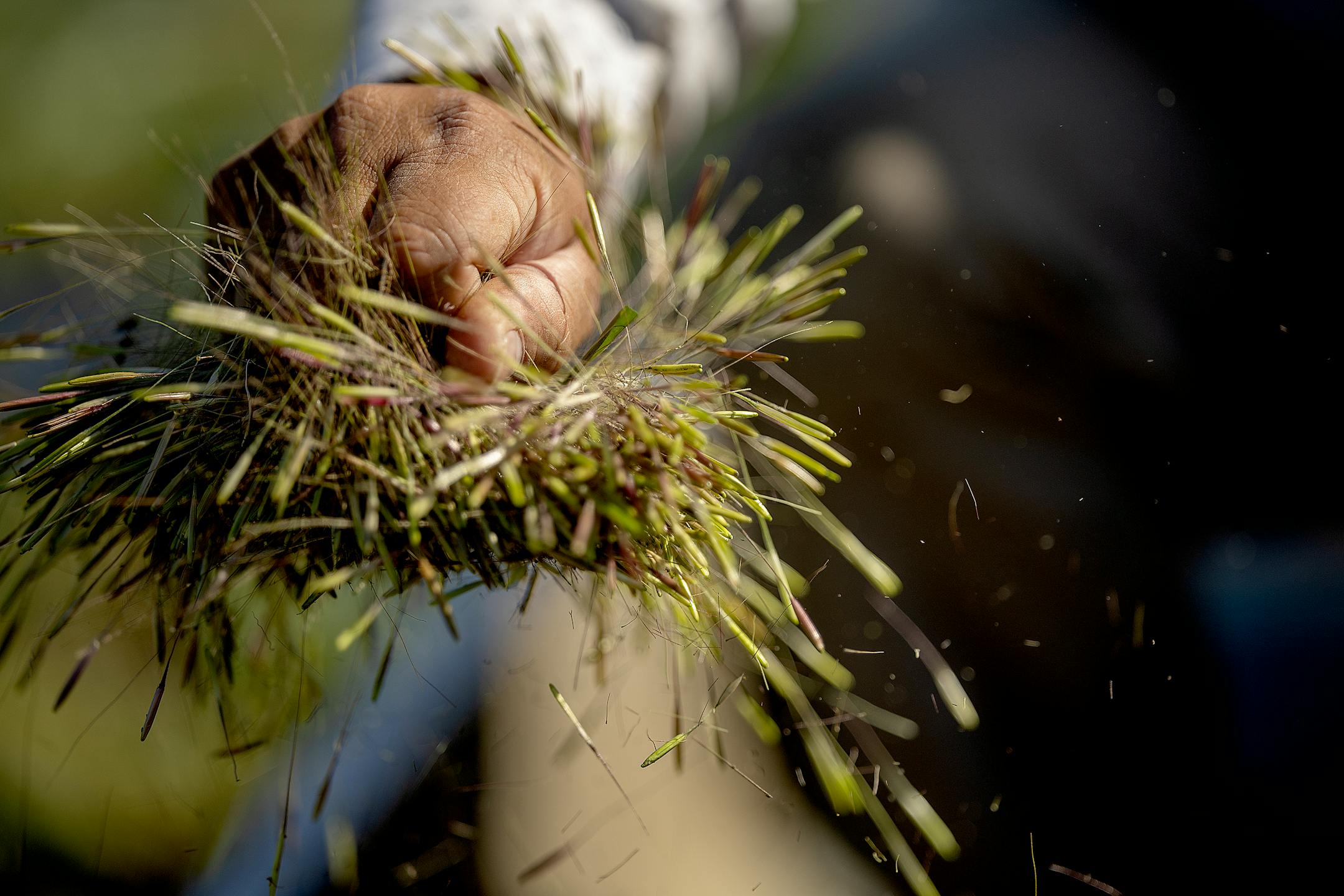
The Minnesota Pollution Control Agency held a public hearing in Virginia, Minn., Sept. 3. Five hundred people packed the event center, where 38 people spoke passionately about a mandate that Keewatin Taconite meet the state’s wild rice sulfate standard of 10 milligrams per liter. This strict rule was written in 1973 but hasn’t been enforced until Keetac’s variance was denied earlier this year.


