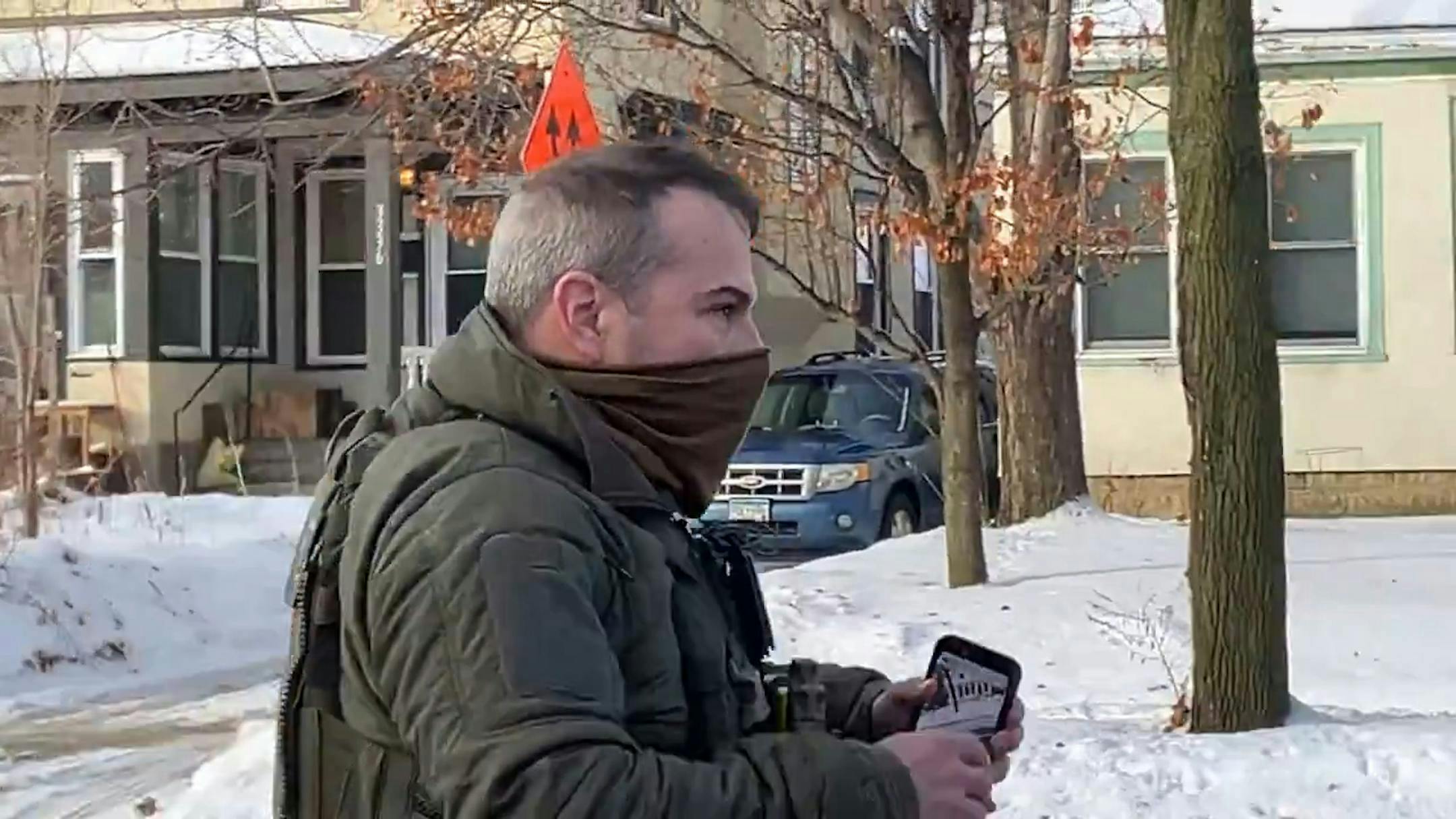
Two online fundraising sites are collecting large amounts of money on behalf of Jonathan Ross, the ICE agent who fatally shot Renee Good in Minneapolis last week.
A campaign with a tally surpassing $700,000 as of midday Jan. 14 continued on GoFundMe, which bills itself as the “#1 crowdfunding platform.” Another fundraising platform, faith-based GiveSendGo, is hosting several campaigns on behalf of Ross, including one that that has topped its $200,000 goal.
A spokesperson for GoFundMe said on Jan. 12 that its “Trust & Safety team is currently reviewing all fundraisers related to the shooting in Minneapolis to ensure they are compliant with our terms of service, [which] prohibit fundraisers that raise money for the legal defense of anyone formally charged with a violent crime. Any campaigns that violate this policy will be removed.”
While the spokesperson referenced the need for charges to be filed for an account to be pulled, GoFundMe’s terms make no such specific requirement. Ross has not been charged with a crime.
GoFundMe has a longstanding policy against fundraisers for the legal defense of a violent crime. When campaigns with that purpose are created — as happened several times on behalf of the suspect in the killing of UnitedHealthcare CEO Brian Thompson — they are removed, the organizer is given an explanation and donors receive an automatic refund.
The Minnesota Star Tribune has asked GoFundMe for clarification between the terms’ language and the spokesperson’s interpretation. As of Jan. 14, the company spokesperson has not responded.
GiveSendGo has hosted numerous fundraising efforts on behalf of high-profile figures accused of homicide, among them Derek Chauvin, who’s in prison for George Floyd’s murder while being restrained by Minneapolis police in 2020.
In 2023, GiveSendGo co-founder Heather Wilson said, “While other platforms deny individuals the chance to raise funds for a quality legal defense based on their agendas, we believe people are innocent until proven guilty in a court of law.”