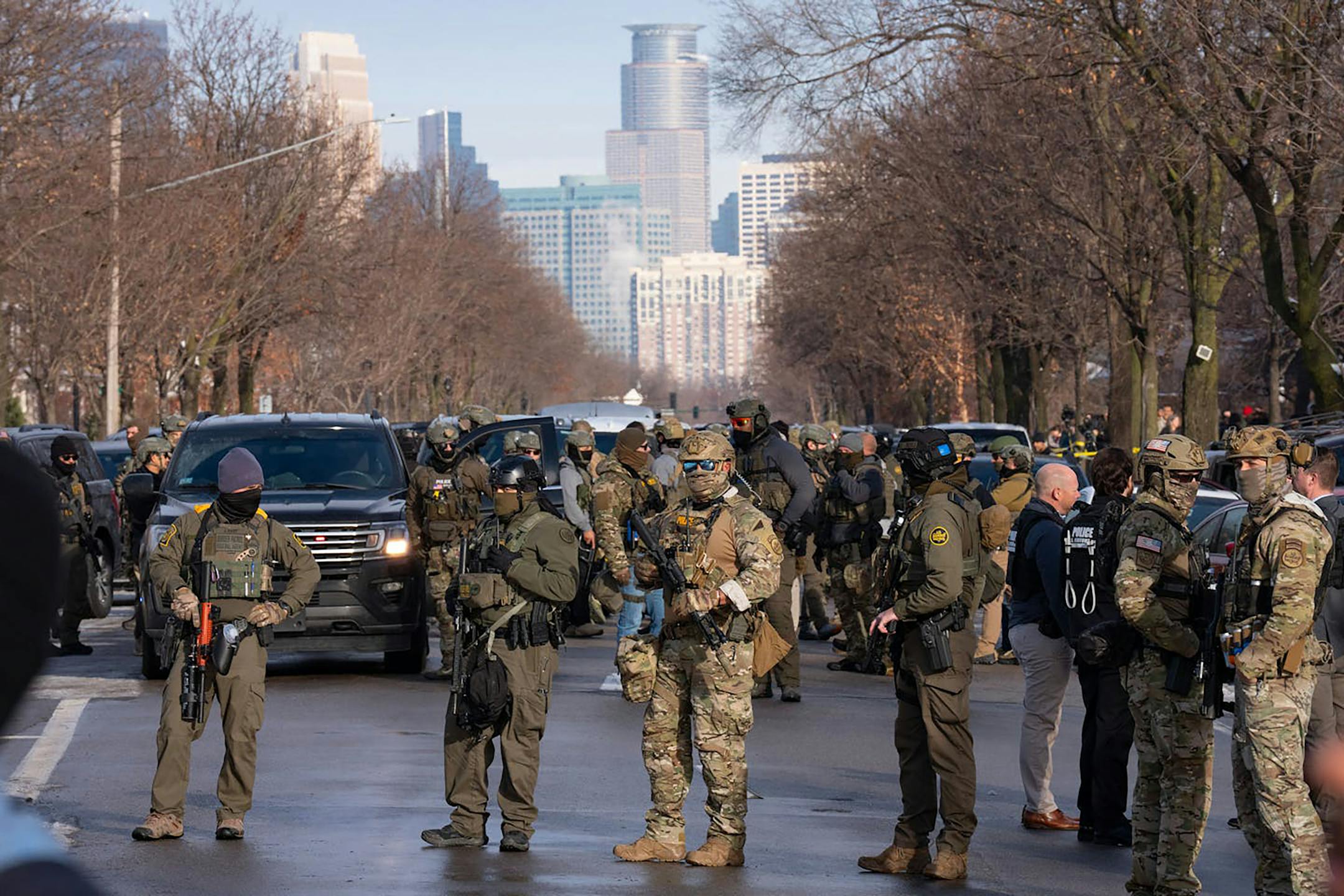
New polling shows Minnesotans and people across the country widely disapprove of President Donald Trump’s immigration crackdown in the state, a shift that’s turned his deportation campaign from a political strength into a potential liability ahead of the midterm elections.
Negative marks on Operation Metro Surge from independents and suburban voters could be a problem for Republicans hoping to hold onto the U.S. House and Senate. It could also be an obstacle for a Minnesota GOP that hoped to win control of the Legislature and the governor’s office by riding a wave of frustration with widespread fraud in social services programs.
About two-thirds of Minnesotans view U.S. Immigration and Customs Enforcement negatively and believe the tactics of federal agents have gone too far, according to the NBC News Decision Desk/KARE 11/Minnesota Star Tribune Poll powered by SurveyMonkey.
An overwhelming majority of Minnesotans want local police to cooperate with immigration authorities to deport people in some or all cases. That could be a welcome result for the Trump administration, which has made greater cooperation a condition of withdrawing the remaining 2,000 federal agents that have been operating in Minnesota since December. Federal officials have blamed the chaos of street arrests on some local leaders who they say won’t work with ICE or Border Patrol.
There’s also little support for abolishing ICE. Nearly three-quarters of Americans want to see the agency reformed or kept as is, according to a national NBC News Decision Desk poll conducted at the same time.
At the same time, only 40% of Minnesotans approve of Trump’s job performance, about the same as nationally. A Minnesota poll of registered voters last summer found 45% of people approved of the job Trump was doing in his second term.
Nearly 60% of Minnesotans said the Trump administration deserves most of the blame for clashes and unrest between protesters and federal immigration agents in the state.
(See full results for each poll question, a demographic breakdown of the respondents, a statement detailing the methodology and a map of the poll’s regions.)