Roper: Washington warned us about this moment. For America’s 250th, Minneapolis should lift him up.

Restoring the vandalized statue of George Washington, and tapping into his wisdom, could be a potent symbol during this anniversary.

Columnist Icon
The Minnesota Star Tribune
February 12, 2026 at 12:32PM
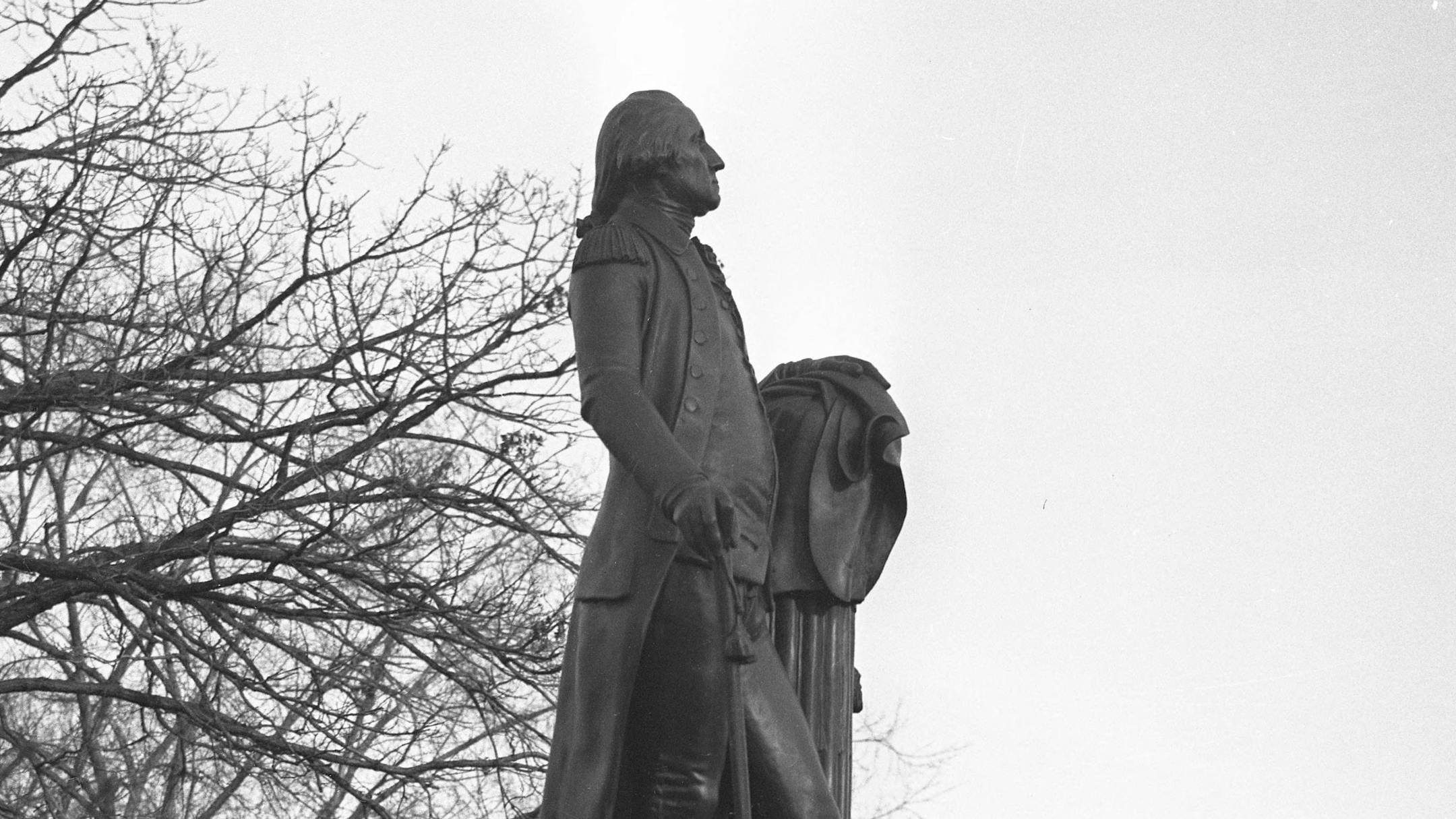
The statue of George Washington in Washburn Fair Oaks Park, photographed in 1931.

Sign up here to follow this column by email.

Consider this: Minnesota has become the bulwark against tyrannical instincts of the federal government just in time for the 250th anniversary of the great American experiment.

And here we are on the eve of George Washington’s birthday, historically an important holiday for reflecting on America’s core values. It has me wondering how locals will express their own brand of patriotism in this special year, amid a “retribution” campaign from a vengeful president.

Trump will almost inevitably tailor official celebrations to satisfy his own vanity. But urban dwellers in the Twin Cities, now a national symbol of Blue America, have a unique opportunity to present their own star-spangled narrative around the anniversary.

I think they should start by celebrating Washington and promoting his wisdom that warned about this precarious moment.

Specifically, restore the damaged statue of GW that’s been sitting in Minneapolis Park Board storage since 2020, when people wielding antifa stickers decided to yank down and deface the likeness of our nation’s first president. And give it a more prominent location than Washburn Fair Oaks Park.
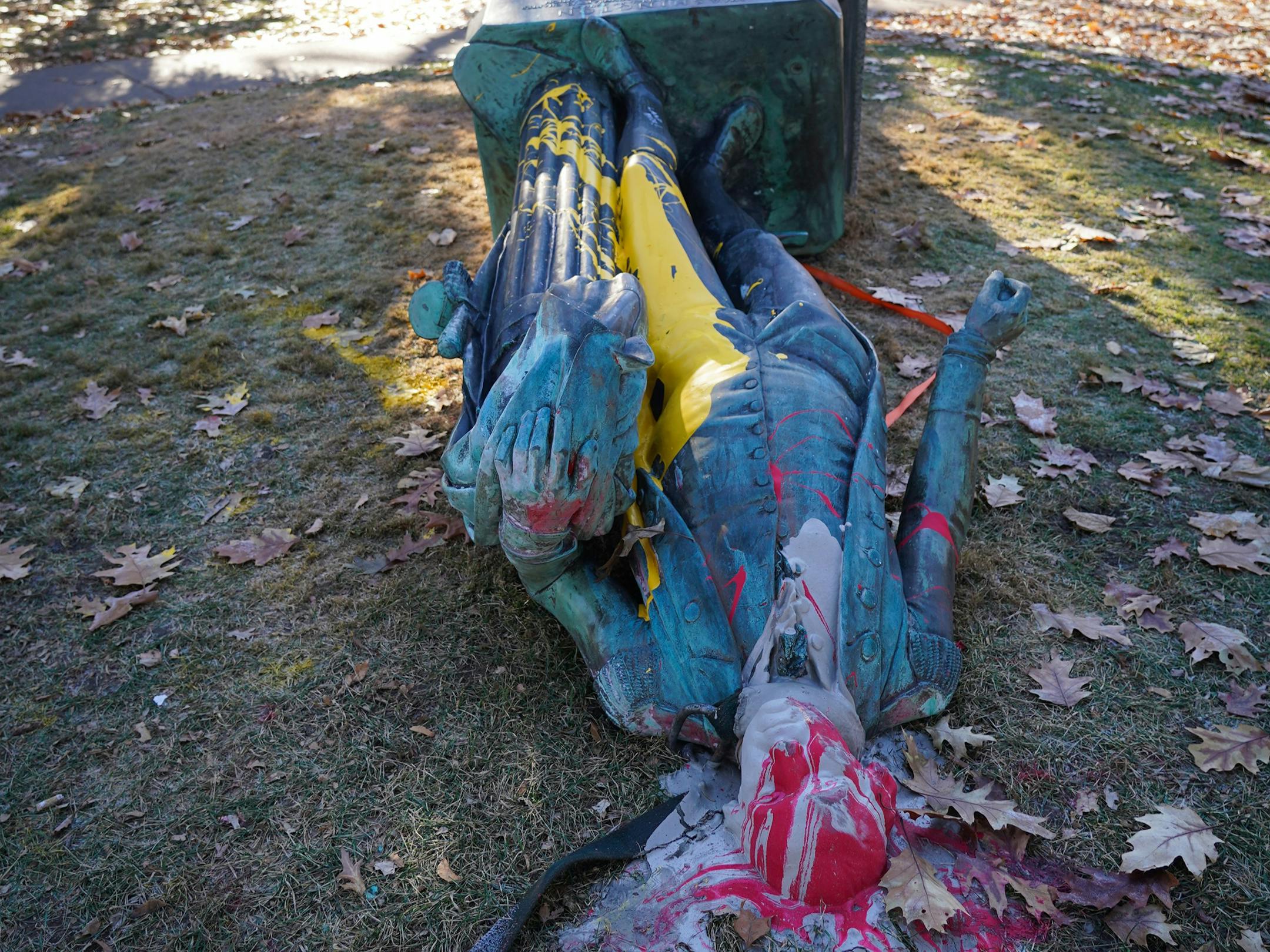
The statue of George Washington in Washburn Fair Oaks Park, after it was toppled in 2020. (Shari L. Gross/The Minnesota Star Tribune)

This modernized memorial could promote George’s words as they apply to this moment. The best place to find them is his 1796 farewell address, one of the foundational speeches in American history.

To be clear, Washington felt Americans were duty-bound to obey the government and should reject “irregular oppositions to its ... authority.” He also emphasized that the Constitution “is sacredly obligatory upon all,” which speaks to why so many people documenting ICE activities refer to themselves as “constitutional observers.”
Their videos have put a national spotlight on the excesses of Operation Metro Surge, including violations of constitutional protections.

The Trump administration has been violating a growing tally of judicial orders over the course of the surge, according to a federal judge who recently reminded the government that “ICE is not a law unto itself.” Washington warned that “love of power and proneness to abuse it” required vigilance about branches of government not intruding on each other’s authority.

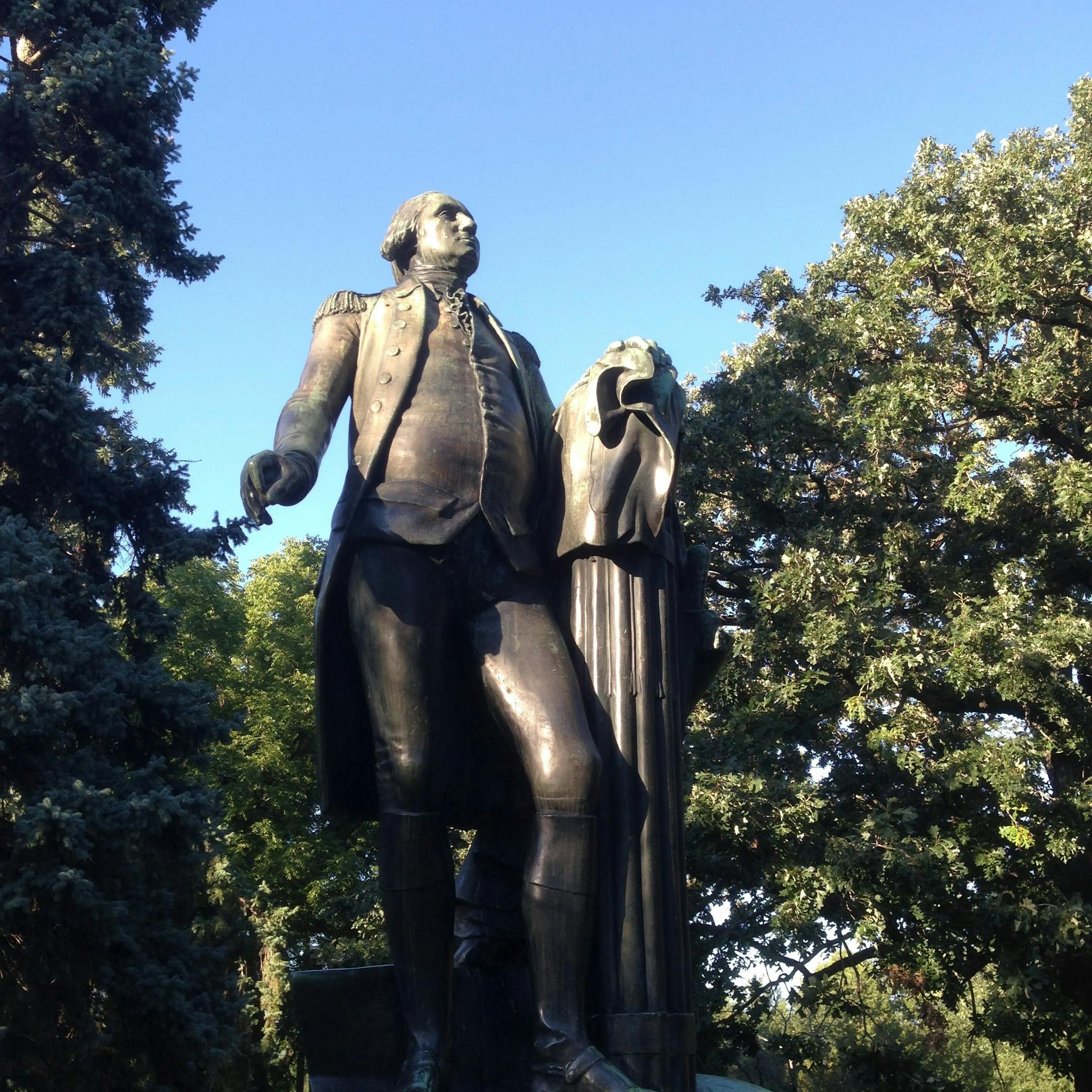
The George Washington statue in Washburn Fair Oaks Park, photographed in 2014. (Eric Roper/The Minnesota Star Tribune)

“[This] tends to consolidate the powers of all the departments in one and thus to create ... a real despotism.”

Most notably, Washington also envisioned that party politics posed one of the greatest threats to the republic. This seems especially prescient today.

“The alternate domination of one faction over another, sharpened by the spirit of revenge natural to party dissension ... is itself a frightful despotism.”

Eventually, Washington said, the “miseries” of this tug-of-war would lead “the minds of men to seek security and repose in the absolute power of an individual.”

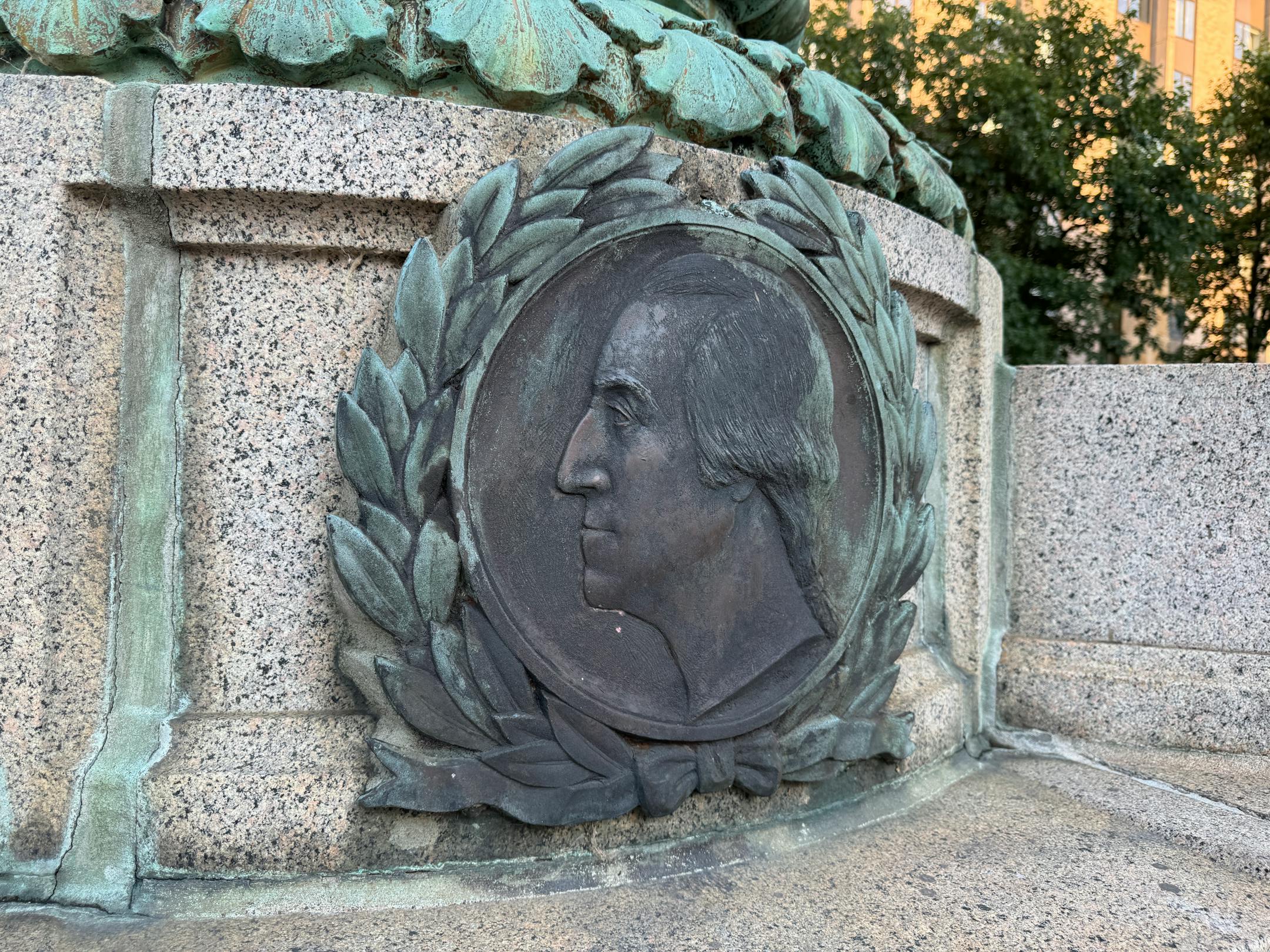
A plaque featuring George Washington's face on the base of a flagpole dedicated in his honor in downtown Minneapolis. (Eric Roper/The Minnesota Star Tribune)

“[A]nd sooner or later the chief of some prevailing faction, more able or more fortunate than his competitors, turns this disposition to the purposes of his own elevation on the ruins of public liberty.”

Sound familiar?

The increasingly winner-take-all style of politics — practiced by both major parties — has led us down a troubling path. Yet even neutral observers can see something more sinister has been playing out on Twin Cities streets, where the administration decided to pick a fight with its own citizens.

We seem to be living through the very factionalism that Washington warned against, the kind that “agitates the community with ill founded jealousies and false alarms [and] kindles the animosity of one part against another.” And despite the need for more dialogue, people seem to be retreating further into partisan bubbles.

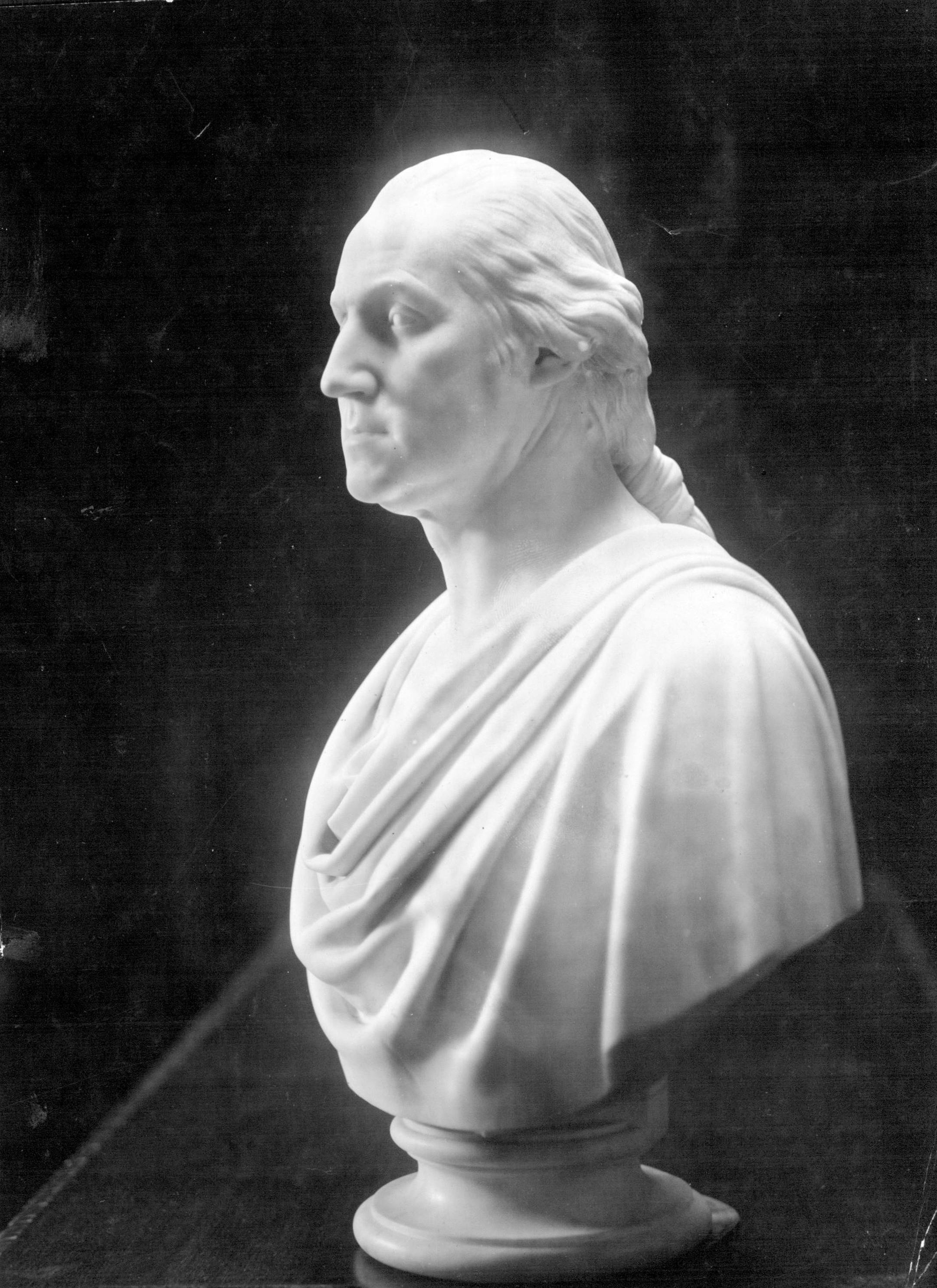
This bust of George Washington was a big attraction when Foshay Tower opened in 1929. It is now located at the Minneapolis Institute of Art.

“[Parties] tend to render alien to each other those who ought to be bound together by fraternal affection.”

With Minnesota flags flying off the shelves lately, some Minnesotans are bursting with state pride. But approaching this significant anniversary for the country, Washington would remind citizens — as he did in his address — that they are, first and foremost, Americans.

“The independence and liberty you possess are the work of ... joint efforts — of common dangers, sufferings, and successes.”

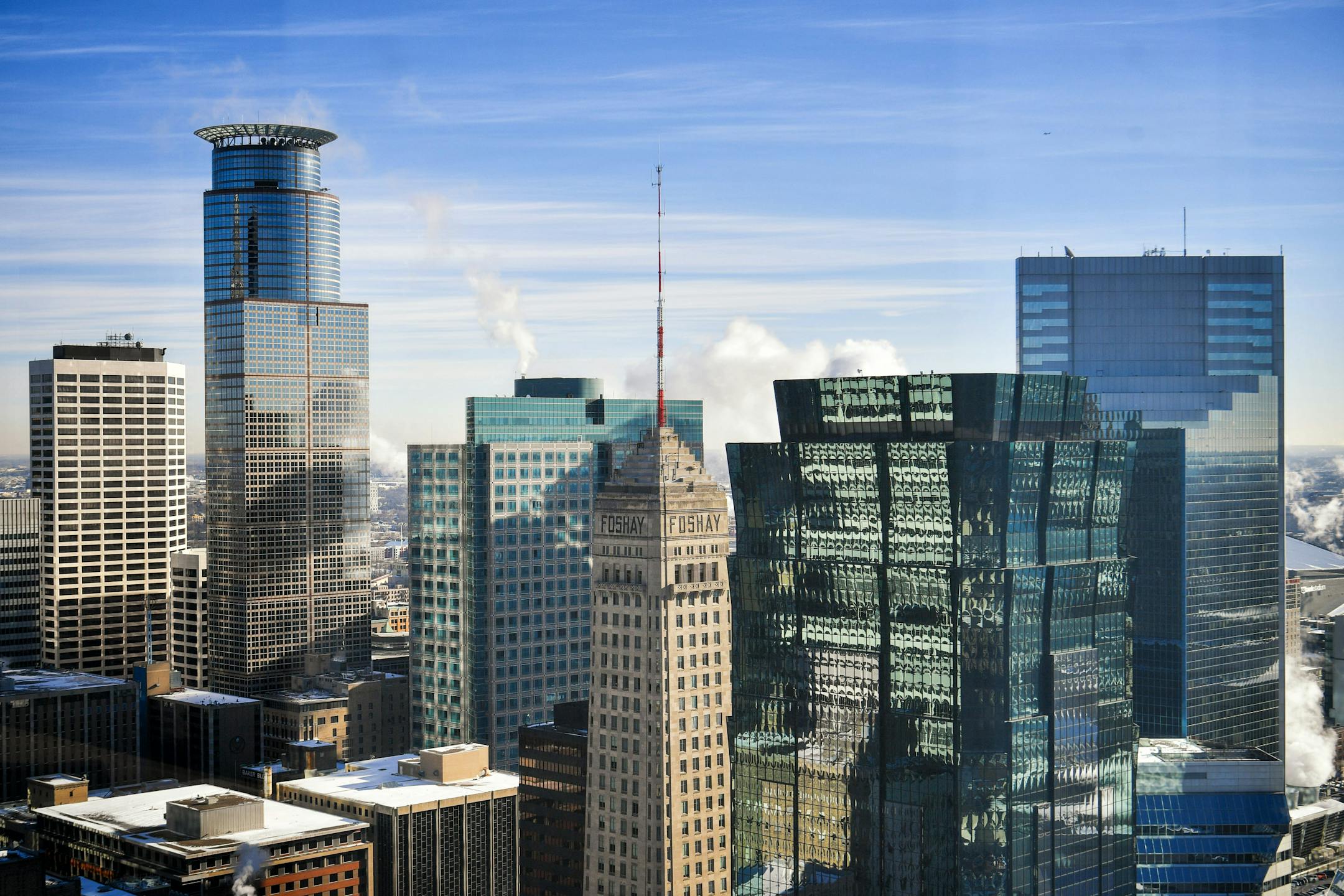
Minneapolis has long celebrated Washington’s legacy. In addition to Washington Avenue and a downtown flagpole in his honor, a tribute to Washington is embedded in the city’s skyline itself. The Foshay Tower — modeled after the Washington Monument — was billed as a giant “Washington memorial” when it opened in 1929, replete with Washington busts in the lobby.

The Foshay Tower amid the Minneapolis skyline in 2018. (Glen Stubbe/The Minnesota Star Tribune)

At the Foshay dedication, U.S. Secretary of War James W. Good said: “Here, far beyond the environments of the Mount Vernon home of the father of his country, is a community that in the stability of its life and in the high plane of its living attains in effect to his ideals.”

A local chapter of the Daughters of the American Revolution donated a statue of Washington to the city in late 1931, just before the country celebrated the bicentennial of Washington’s birth. It was then Minnesota’s only statue of George. The Minneapolis Star editorial board at the time credited it for helping make up for the city’s “dearth of good public statuary.”

I raised the question in December about whether we were ready to resurrect the statue of Washington. Washington’s role as a slaveowner is the most controversial facet of his legacy. He also ordered the destruction of Native American villages, as documented in the new Ken Burns documentary about the American Revolution.

The majority of the nearly 20 readers who emailed me felt we should resurrect the statue and not plaster over Washington’s faults. As one reader wrote: “Societies need heroes and guiding lights.”

That statement resonates even more after the last few months. And this is the year to plant the flag.

about the writer

about the writer

Eric Roper

Columnist

Eric Roper is a columnist for the Star Tribune focused on urban affairs in the Twin Cities. He previously oversaw Curious Minnesota, the Minnesota Star Tribune's reader-driven reporting project.

See Moreicon

More from Minneapolis

See More
card image
card image