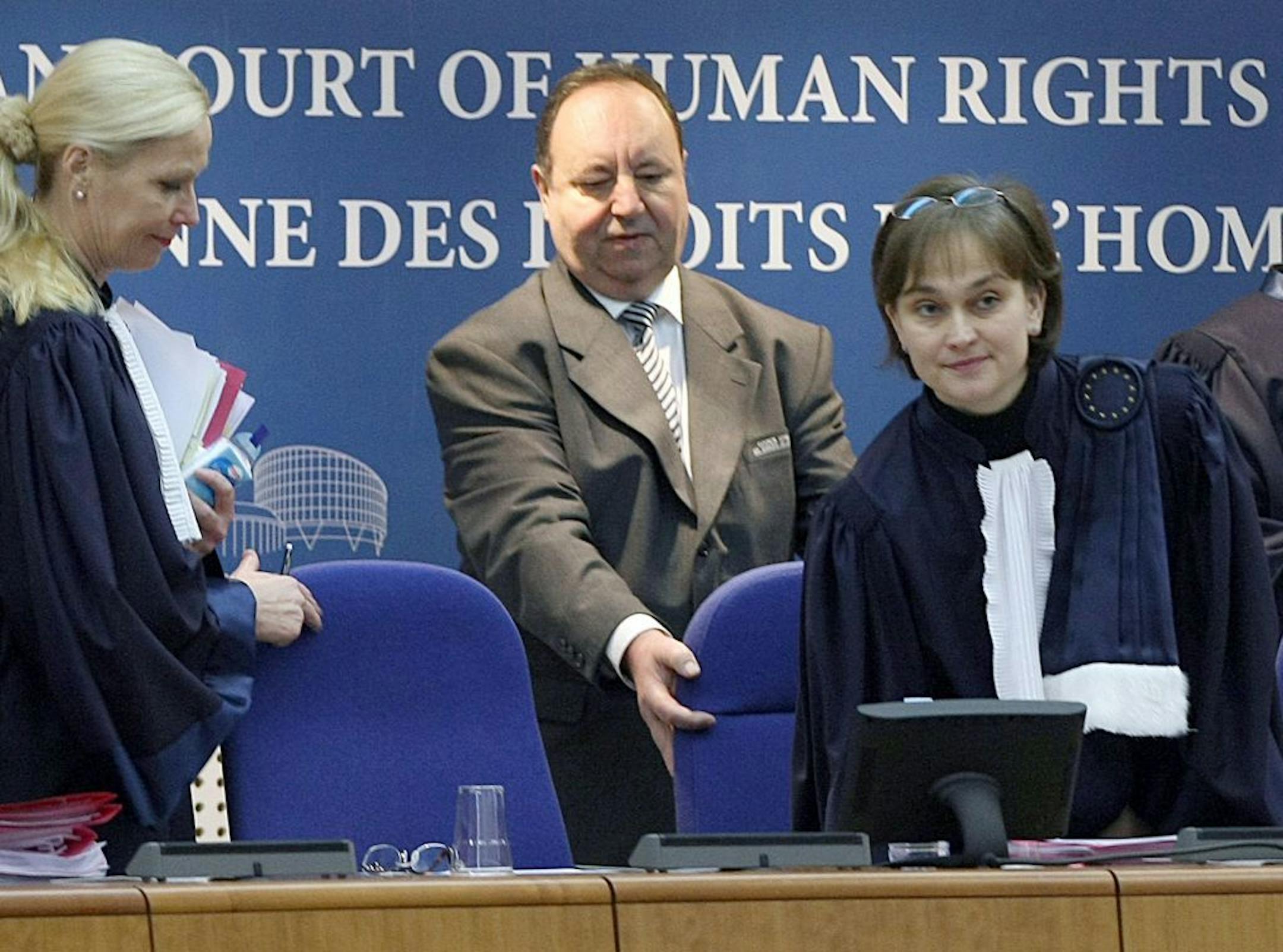
STRASBOURG, France — Europe's human rights court shone a rare public light Tuesday on the secret network of European prisons that the CIA used to interrogate terror suspects, reviving memories and questions about the "extraordinary renditions" that angered many on this continent.
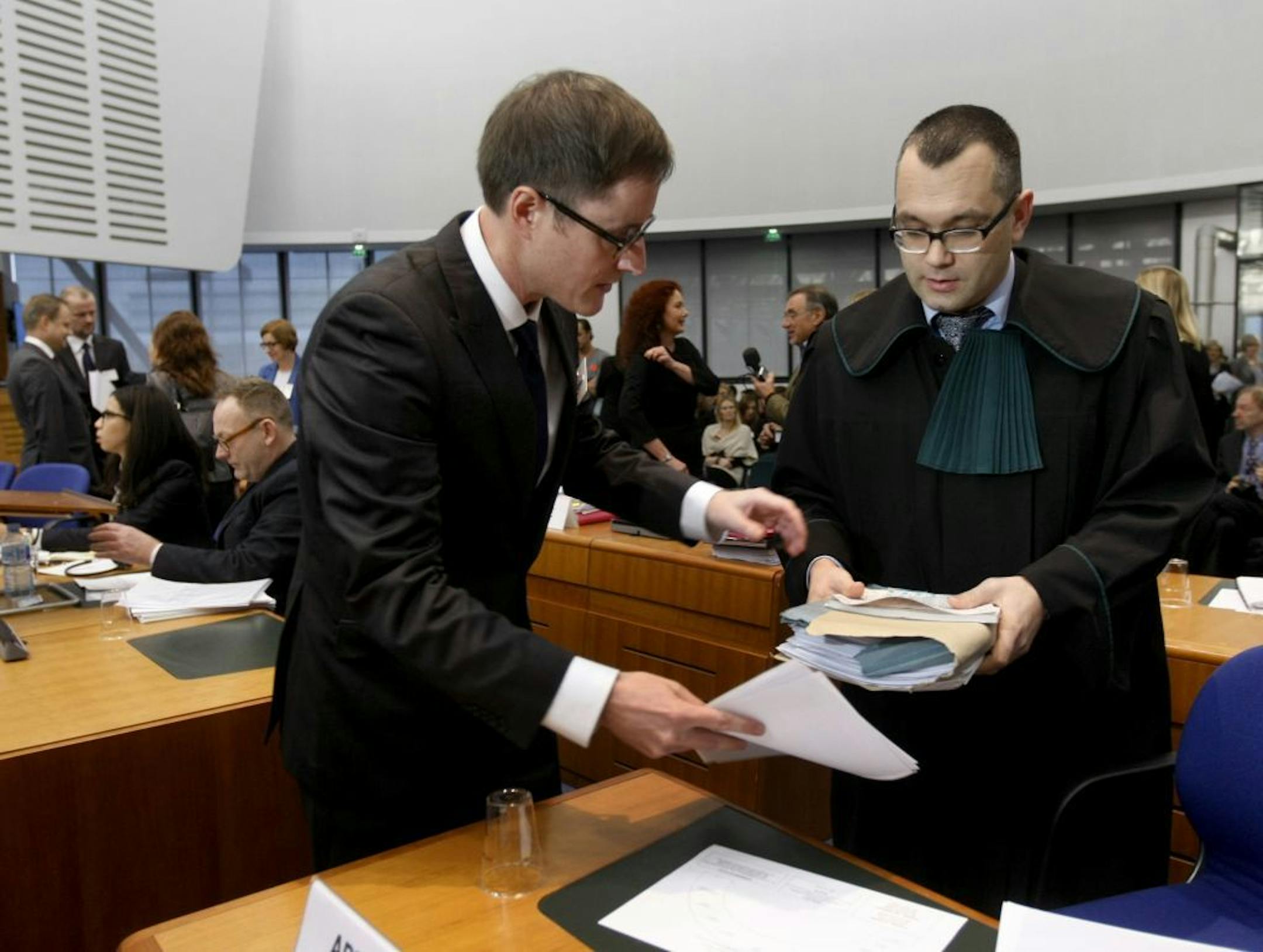
At Tuesday's hearing, lawyers for two terror suspects currently held by the U.S. in Guantanamo Bay, Cuba, accused Poland of human rights abuses. The lawyers say the suspects fell victim to the CIA's program to kidnap terror suspects and transfer them to third countries, and allege they were tortured in a remote Polish prison.
The case marks the first time Europe's role in the CIA's "extraordinary rendition" of terror suspects reached the European Court of Human Rights. The program, which occurred at the height of former President George W. Bush's war on terrorism, upset many Europeans.
All the prisons were closed by May 2006. Interrogations at sea have replaced CIA black sites as the U.S. government's preferred method for holding suspected terrorists and questioning them without access to lawyers.
One of the cases heard at Tuesday's trial concerns 48-year-old Saudi national Abd al-Rahim al-Nashiri, who currently faces terror charges in the U.S. for allegedly orchestrating the al-Qaida attack on the USS Cole in 2000, a bombing in the Yemeni port of Aden that killed 17 sailors and wounded 37.
The second case involves 42-year-old Abu Zubaydah, a Palestinian also held in Guantanamo. Zubaydah has never been charged with a crime.
A declassified report released in 2009 showed the CIA deemed al-Nashiri and Zubaydah as "high value detainees" meaning they are held under ultra-secure conditions in a secret section of Guantanamo known as Camp 7.
Both men say they were brought to Poland in December 2002, where they were detained and subjected to harsh questioning in a Polish military installation in Stare Kiejkuty, a village set in a lush area of woods and lakes in the country's remote northeast.