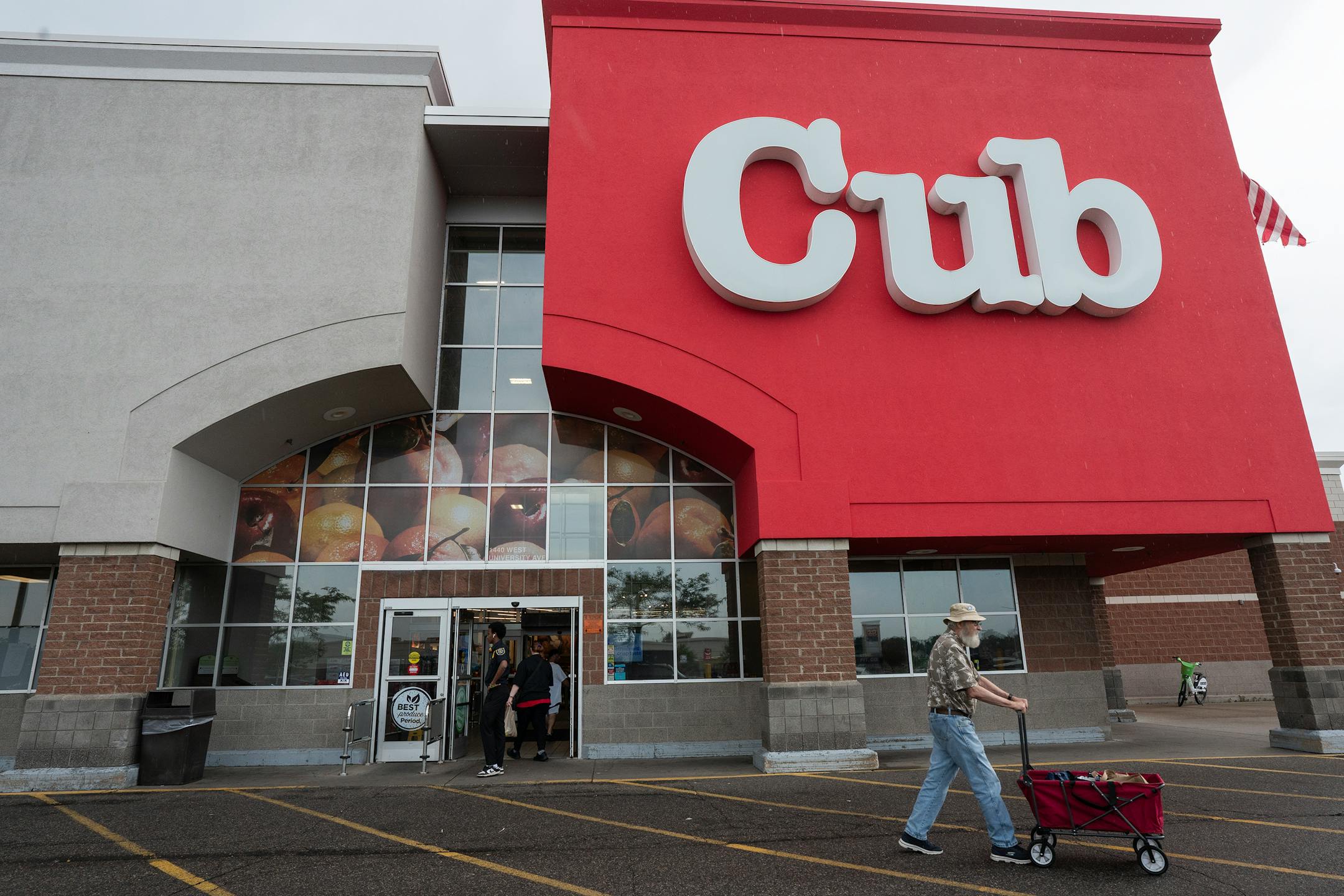
In a week, the Midway Cub will be gone. The doors will close, the shelves will empty, and 96 people could be out of a good union job.
But until then, there’s work to do, neighbors to feed, and a deli case to polish until it gleams.
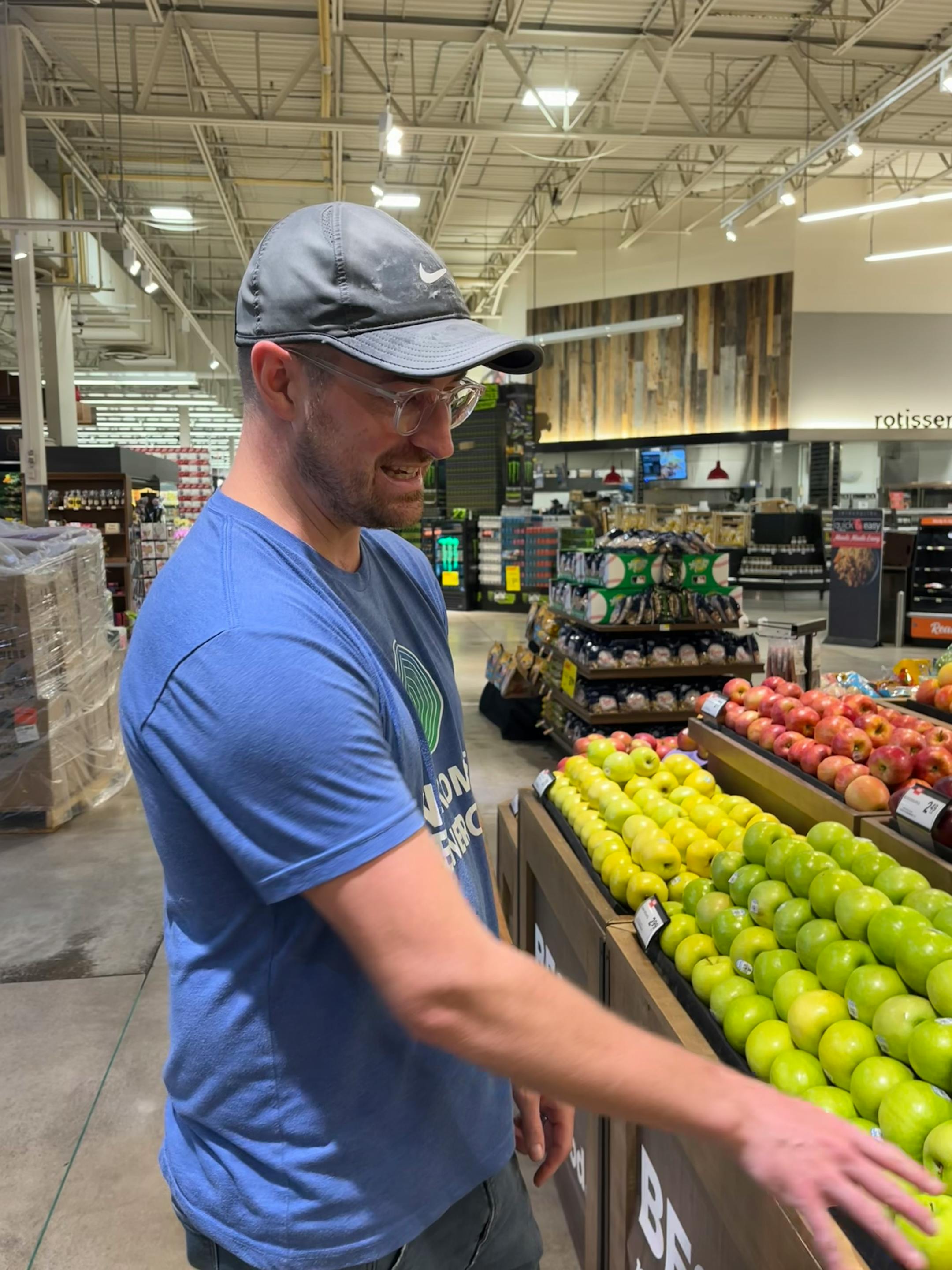
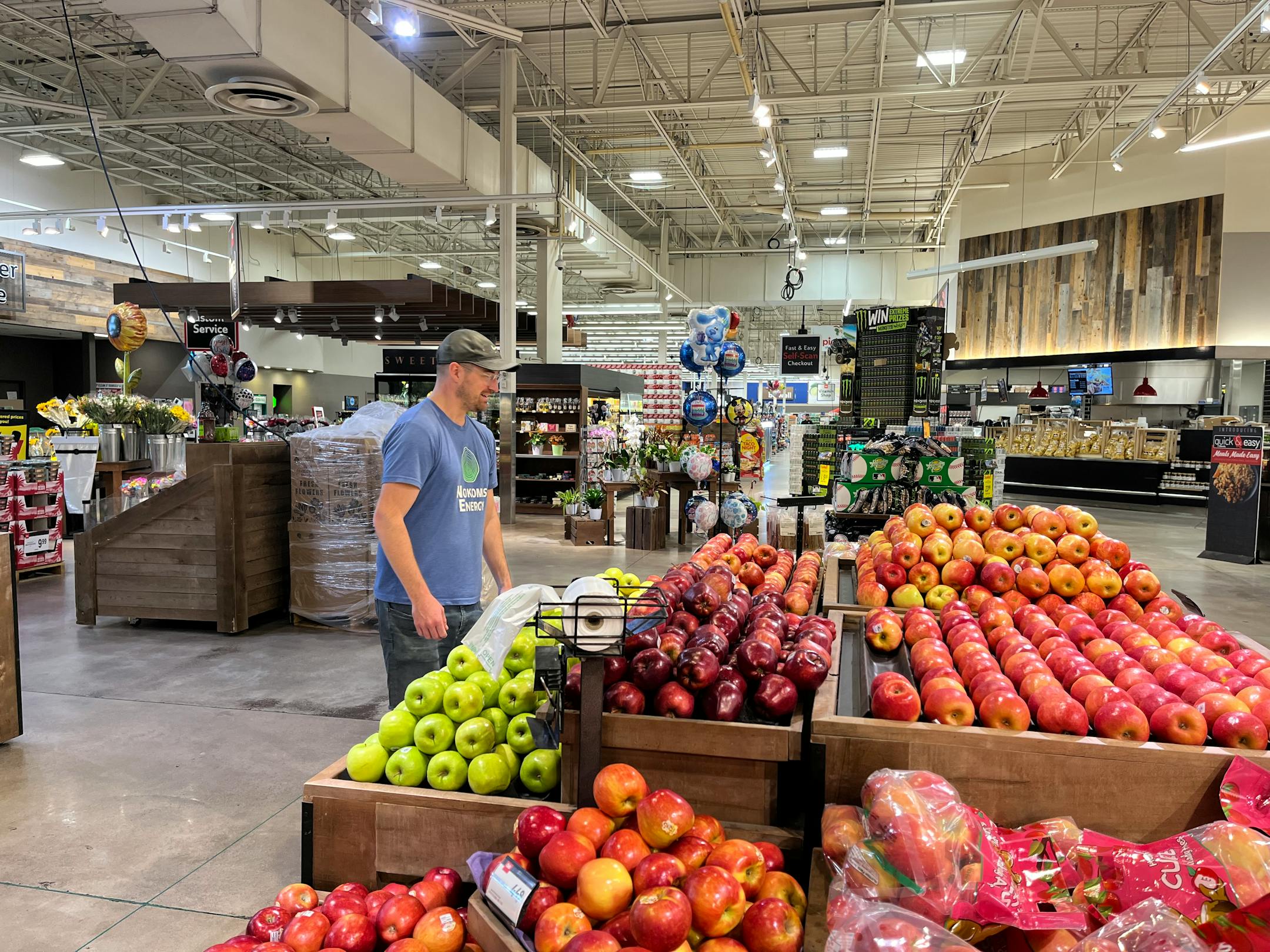
“All of the workers here love working here. They’re fiercely proud to work at this store,” said interim St. Paul City Council Member Matt Privratsky, on a morning grocery run. Around him, the early shift stocked and tidied a business going out of business. “It’s hard to have a nuanced conversation about something as heartbreaking as this.”
Neighborhood grocery stores are shutting down across the country. Kroger. Albertsons. Safeway. Giant. Winn-Dixie. Piggly Wiggly. Amazon Fresh. Each time it happens, the conversation goes something like this: What did the neighborhood do wrong? Too much shoplifting? Too much panhandling in the parking lot? Did someone, somehow, steal all the shopping carts?
The Uptown Minneapolis Cub closed abruptly. Is Uptown dead? Lunds, the last grocery store in downtown St. Paul, shuts its doors. Is downtown dead too?
It’s always the community that let the corporation down, not the other way around.
It’s easy to look around Midway and see what isn’t there anymore.
The Walmart. The furniture store that replaced the Walmart. The bookstore. The bowling alley. The pharmacy. The department stores. The grocery store. Another grocery store.