Roper: Tiny house fight is a microcosm of affordable housing resistance

Property rights are at the heart of a lawsuit over Blaine’s rejection of a proposed mother-in-law suite for homeless families.

Columnist Icon
The Minnesota Star Tribune
July 25, 2025 at 1:53PM
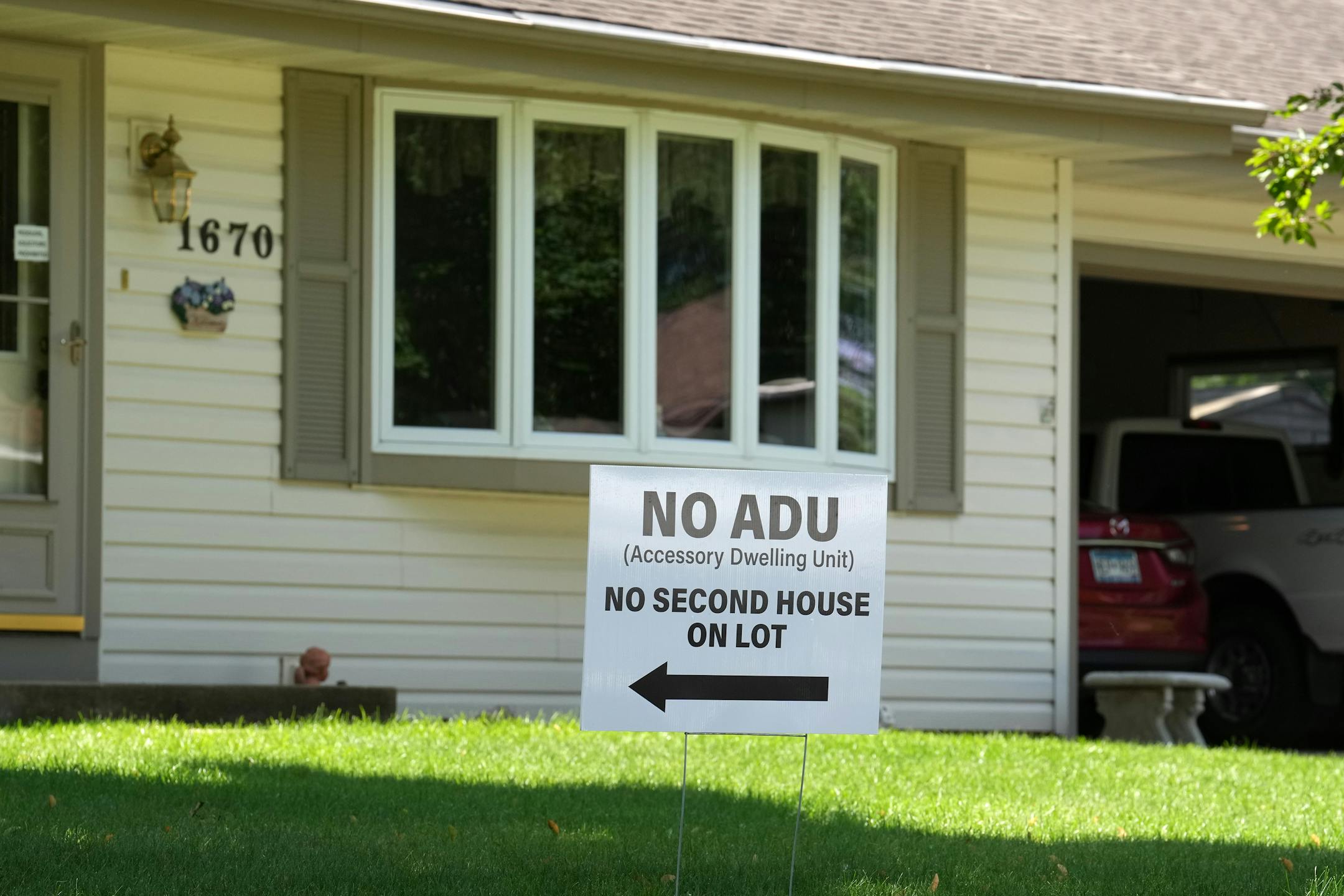
A neighbor’s yard displays a “No ADU” sign as reporters gathered for a news conference outside the home of Alex and Lynda Pepin in early July. (Anthony Souffle/The Minnesota Star Tribune)

Sign up here to follow this column by email.

The fight over a proposed tiny home in Blaine underscores the fear, intransigence and, dare I say, prejudice that lurks beneath the surface of many local development disputes — especially those about affordable housing.

The city is now ensnared in a lawsuit after rejecting a family’s plan to erect a garage-sized structure in their backyard, despite city rules allowing these “accessory dwelling units.” ADUs are often referred to as mother-in-law suites, which is a euphemism that apparently convinced Blaine leaders they could predict who would live in them.

Four years after Blaine made ADUs legal, a family finally applied for one. Alex and Lynda Pepin said it was intended to be affordable housing for families needing a place to live, in line with the Christian mission of a nonprofit they founded focused on family homelessness.

The neighborhood went bananas — over the structure and who would occupy it. A petition was circulated. Yard signs were erected.

Despite a green light from city staff and the planning commission, the Blaine City Council kiboshed the permit in May. Council members said they thought the intent of the ADU ordinance was to create apartments for relatives. One complained that having two homes on the lot amounted to “high-density” housing, which nearly made me do a spit-take.
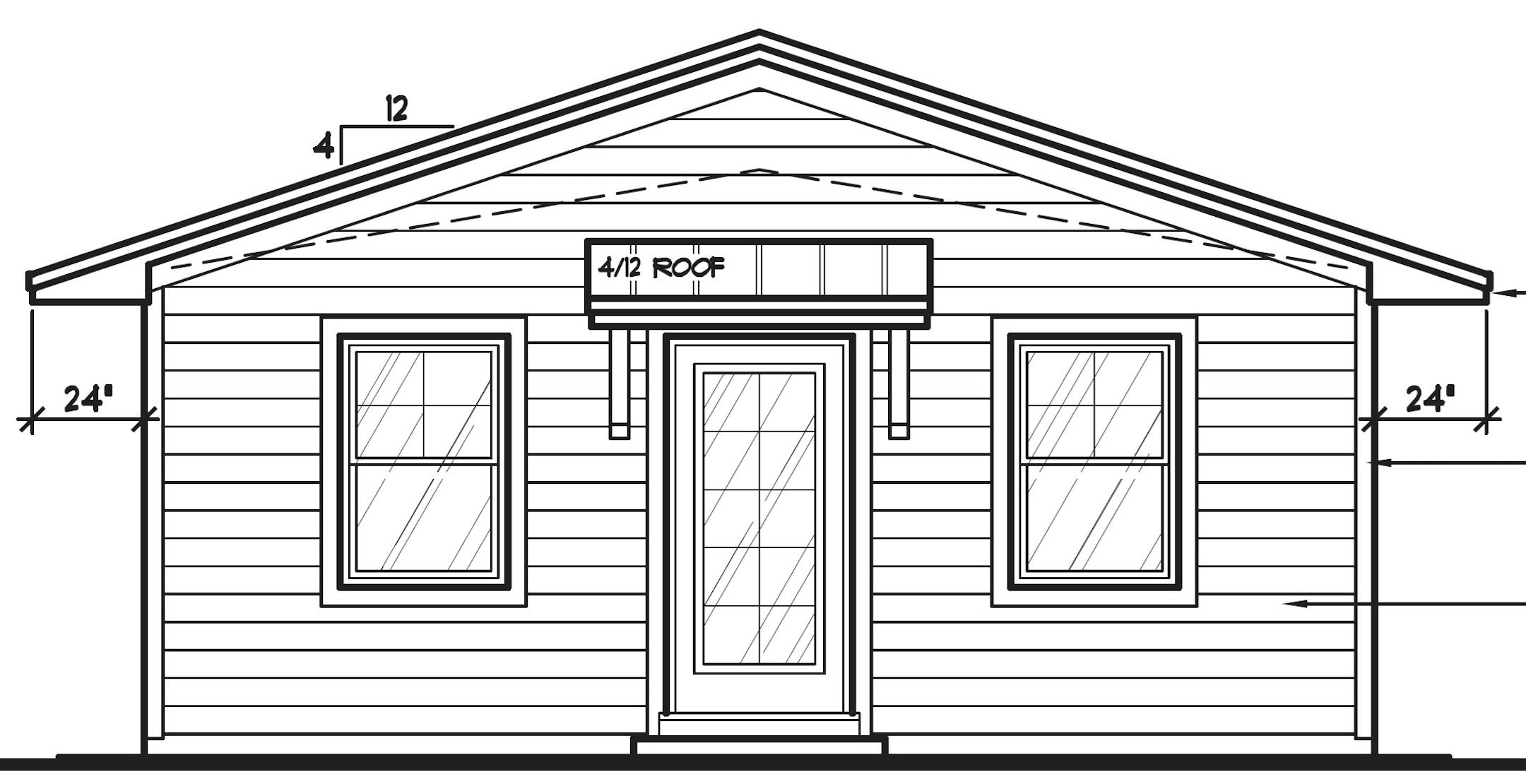
A schematic of the Pepins' proposed accessory dwelling unit, as submitted to the city. (Croix Design And Drafting, Inc.)

The council later imposed a moratorium on ADUs. To be clear, allowing these structures is the least a city can do to bring more housing to single-family neighborhoods (i.e. most of our region’s neighborhoods).

The Pepins filed suit in early July. It’s worth highlighting that they are represented by a prominent libertarian-leaning law firm, Institute for Justice, as part of a national Zoning Justice project to “protect and promote the freedom to use property.” In other words, this isn’t some big city liberal agenda. It’s about property rights.

The Blaine case is an interesting microcosm of a larger problem we see in pockets of the metro area, where renters and low-income people are treated as a threat. Our web of municipal fiefdoms has plenty of ways to ensure that preferred people move to their cities.

Take the recent article by my colleagues Greta Kaul and Liz Navratil, outlining how nearly all the apartments being built in a number of Twin Cities suburbs are reserved exclusively for seniors. “I am not convinced that this will be anything other than low income,” one resident told the developer of a market-rate apartment building in Arden Hills, which was eventually changed to senior housing.

That same suburb fought for years against the amount of affordable housing proposed for the Twin Cities Army Ammunition Plant site, resulting in a shameful delay for one of the most prime empty parcels of land in the region.

Classism is woven seamlessly into some city council discussions, like the Maplewood City Council member saying last year she envisioned “executive homes” on a former golf course while urging developers to scale back the density of their proposal.

This reminds me of something that state Sen. Jordan Rasmusson, a Fergus Falls Republican, said at a May Senate committee meeting about bills to rein in municipal zoning abuse in Minnesota — legislation that once again failed to pass.

“On housing policy, the aspiration ought to be that Minnesotans pick which communities they live in,” Rasmusson said. “Not let communities pick which Minnesotans get to live there.”

I know I’m painting with a bit of a broad brush here. Some suburbs are big advocates of affordable housing and zoning reforms.

But I’d argue that these decisions, collectively over many decades, drive up housing costs while proliferating segregated neighborhoods and concentrated poverty in our region.

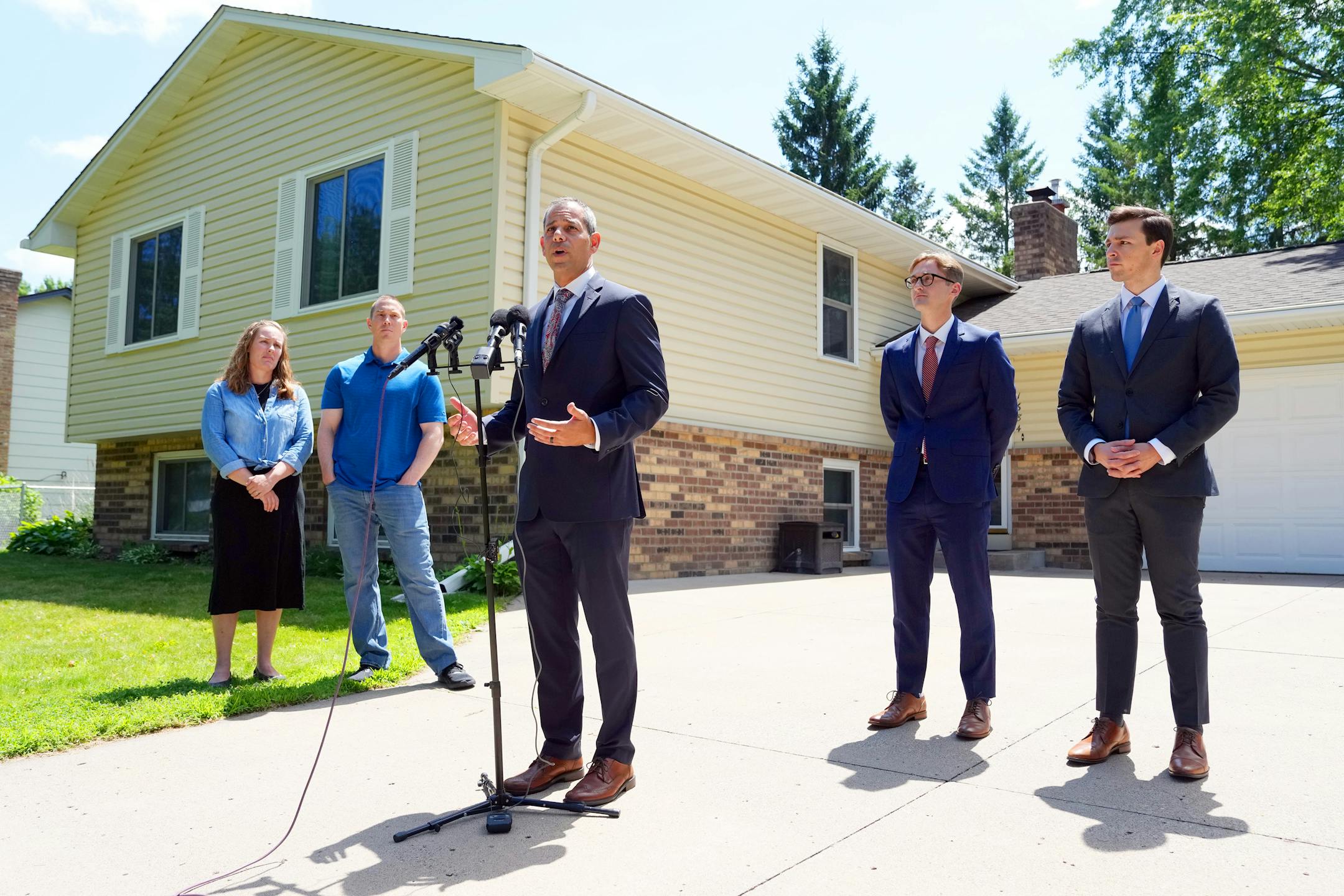
Attorney Ari Bargil speaks during a news conference outside the home of Alex and Lynda Pepin, left, who are suing the city of Blaine with the Institute for Justice for denying their accessory dwelling unit permit. The couple had planned to rent it out to a homeless family. (Anthony Soufflé/The Minnesota Star Tribune)

In the Pepins’ case, Blaine staff had recommended approving a proposed two-bedroom, 616-square-foot structure on their quarter-acre lot because it met the city’s requirements governing things like size and setbacks. Those rules state that no more than four people can live there (some of whom must be related, if there are four). The Pepins were also willing to build a privacy fence.

Notably, the Blaine ADU ordinance anticipated that these units might be rented out, requiring a rental license if the occupants weren’t related to the primary homeowners. The Pepins’ lawsuit emphasizes that the ADU would not be a homeless shelter, noting that they plan to charge about 30% of the residents’ income in rent.

“Ultimately, Alex and Lynda have no desire to offer their ADU to disruptive or unstable people,” the lawsuit says. “And they have a major incentive not to do so — the main residence, in which they reside with their three young children and where Lynda spends the bulk of her days homeschooling the kids, is roughly 17 feet away."

The city said it was following its own code when it rejected the permit. So I asked them to explain.

My best summary of City Attorney Eric Larson’s highly legalistic response is that the city believes it was allowed to reject the permit because the proposed use of the house for rental housing makes it “an independent and separate dwelling unit” rather than “an accessory to the Pepin’s home use and occupation of their own house.”

I’m no lawyer, but I’m honestly not following the city’s argument. The city’s ADU ordinance does not make any similar distinction between “separate” and “accessory,” but it clearly allows ADUs to be rented out. I asked the city for clarification, but a spokesman said the lawsuit precluded them from elaborating.

I welcome your feedback on this topic at eric.roper@startribune.com for a future column. Would you be OK if your neighbor erected a rental property behind their home, as the Pepins have proposed?

about the writer

about the writer

Eric Roper

Columnist

Eric Roper is a columnist for the Star Tribune focused on urban affairs in the Twin Cities. He previously oversaw Curious Minnesota, the Minnesota Star Tribune's reader-driven reporting project.

See Moreicon