
With launch day nearing, all eyes on Minnesota’s new paid leave program

Political stakes are high for success of the program, which mandates 12 weeks of paid family and medical leave.

The Minnesota Star Tribune
December 30, 2025 at 8:55PM
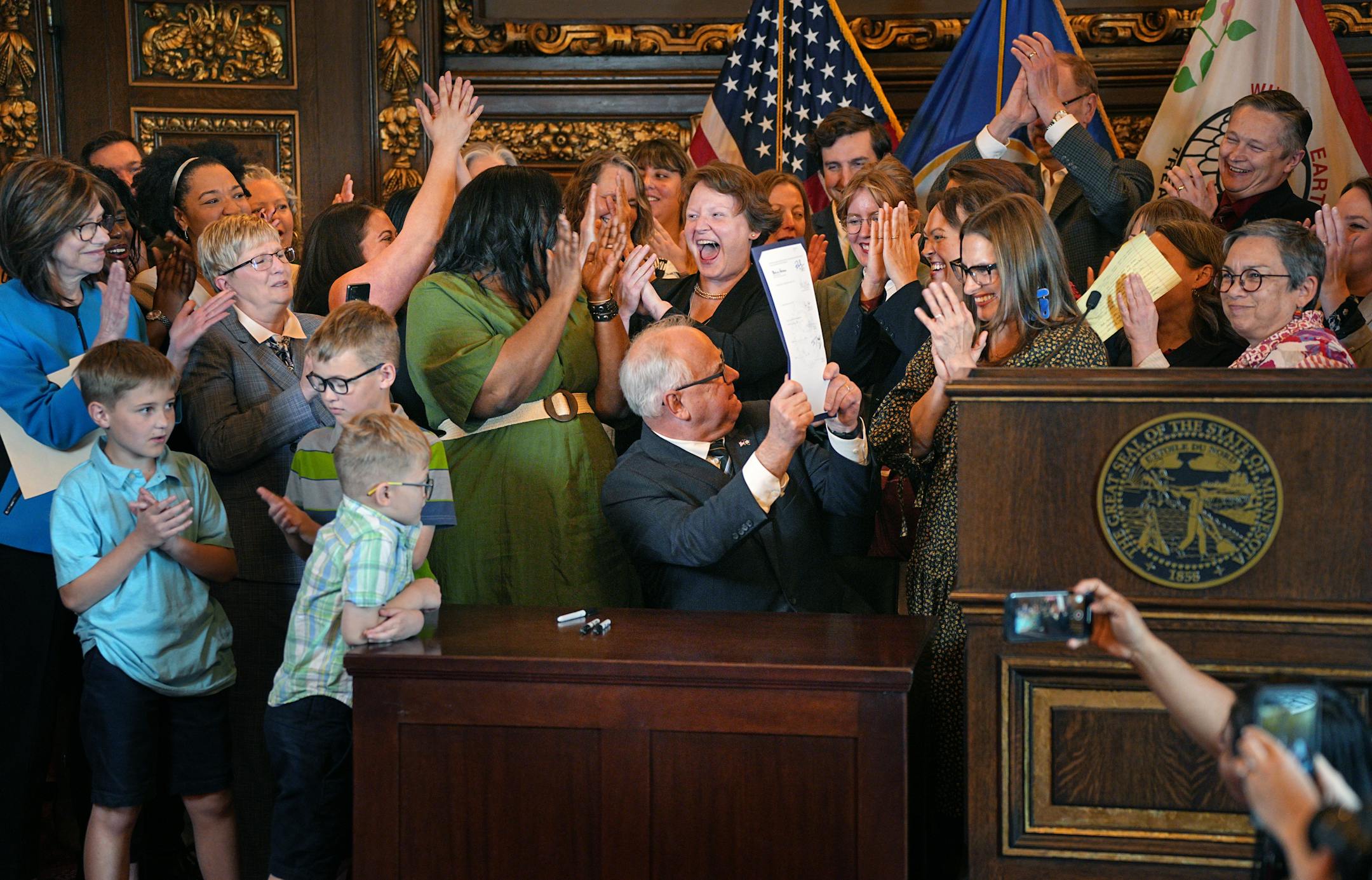
Surrounded and cheered on by supporters, legislators and family members, Gov. Tim Walz signed the paid family and medical leave bill into law Thursday, making Minnesota one of a dozen states that require workers are able to take time off with partial pay when they give birth or have a serious health condition. Thursday, May 25, 2023 at the capitol in St. Paul, Minn. ] Brian Peterson ¥ brian.peterson@startribune.com (Brian Peterson/The Minnesota Star Tribune)

Minnesota will start the new year with a paid leave law that took years to implement, launching a new benefit — and a new tax — for workers and employers.

Political stakes are high for the success of the program, which a DFL-controlled Legislature passed and Gov. Tim Walz signed into law with a host of other progressive policies in 2023.

Minnesota has a spotty record when it comes to rolling out statewide programs, and paid leave has already faced headwinds, including 11th-hour legislative negotiations that threatened to deconstruct the program before it began.
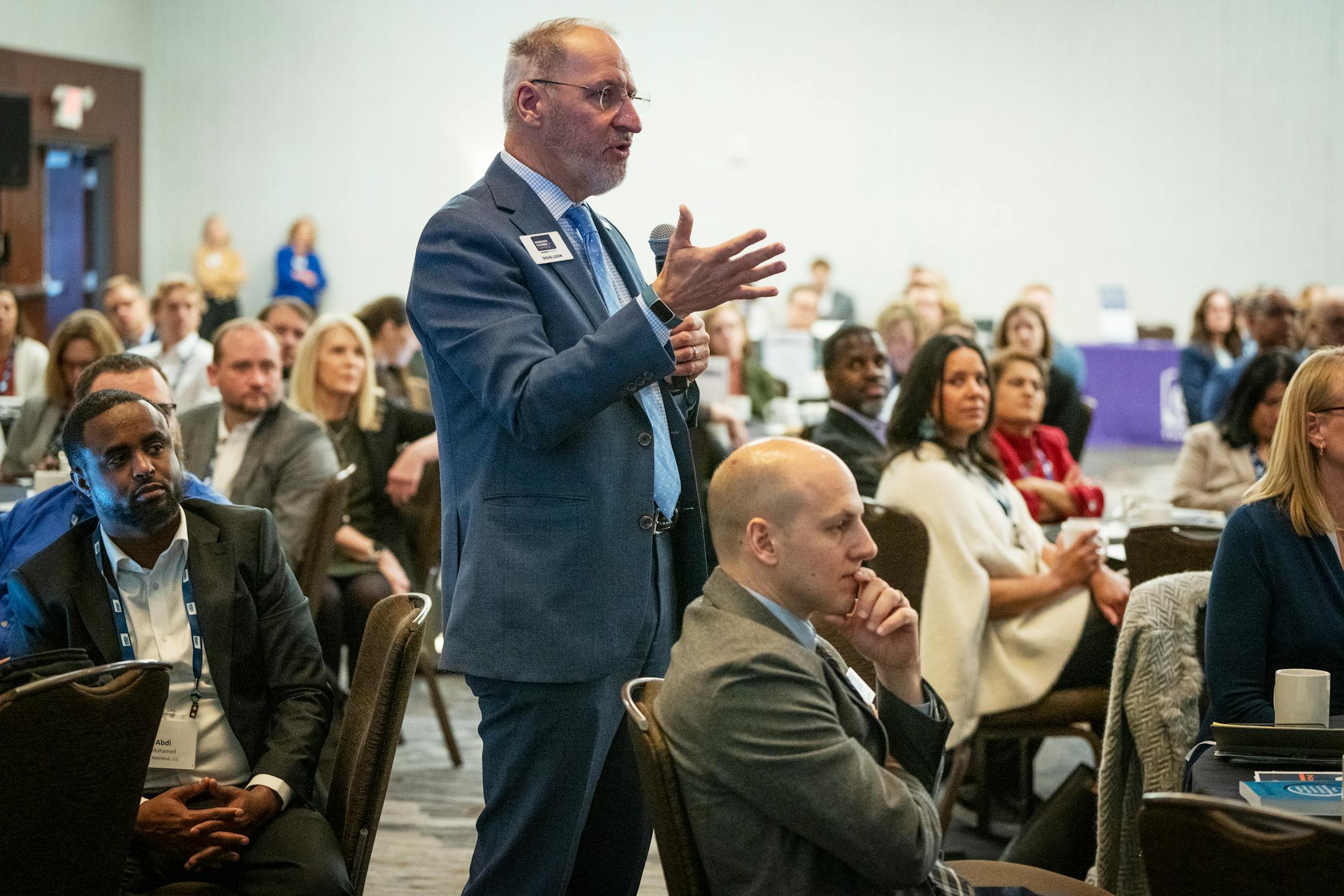
Doug Loon, President and CEO of the Minnesota Chamber of Commerce, speaks during the Minnesota Chamber Foundation’s 2025 Workforce Summit. The chamber has advocated for relaxing business regulations, including paid family and medical leave. (Leila Navidi/The Minnesota Star Tribune)

Business leaders have repeatedly sought to roll back the law, saying it puts an undue burden on employers. Many of those employers, particularly small businesses, have struggled to understand and implement the new benefit by the Jan. 1 deadline. And Minnesota Republicans, who have focused on fraud in other government programs as they seek to unseat Walz in November, will be eyeing paid leave closely for possible misuse.

At the same time many Minnesotans are counting on the program, which allows workers to take up to 12 weeks of family or medical leave at up to 90% pay. Thirteen states and the District of Columbia have similar programs.

Minnesota’s paid leave law requires workers and employers to contribute to a payroll tax that will be pooled into an insurance fund to pay claims.

In the years since paid leave became law, officials have crisscrossed the state and worked with stakeholders including employers, workers and health care providers to craft the program and educate Minnesotans on what it entails.

“Certainly, throughout the course of the debate about whether to have this program ... there are always going to be a wide range of views,” said Matt Varilek, commissioner of Minnesota’s Department of Employment and Economic Development, at a Dec. 30 news conference. “We appreciate, though, that folks have been very constructive about engaging with us and giving us ideas we can use.”
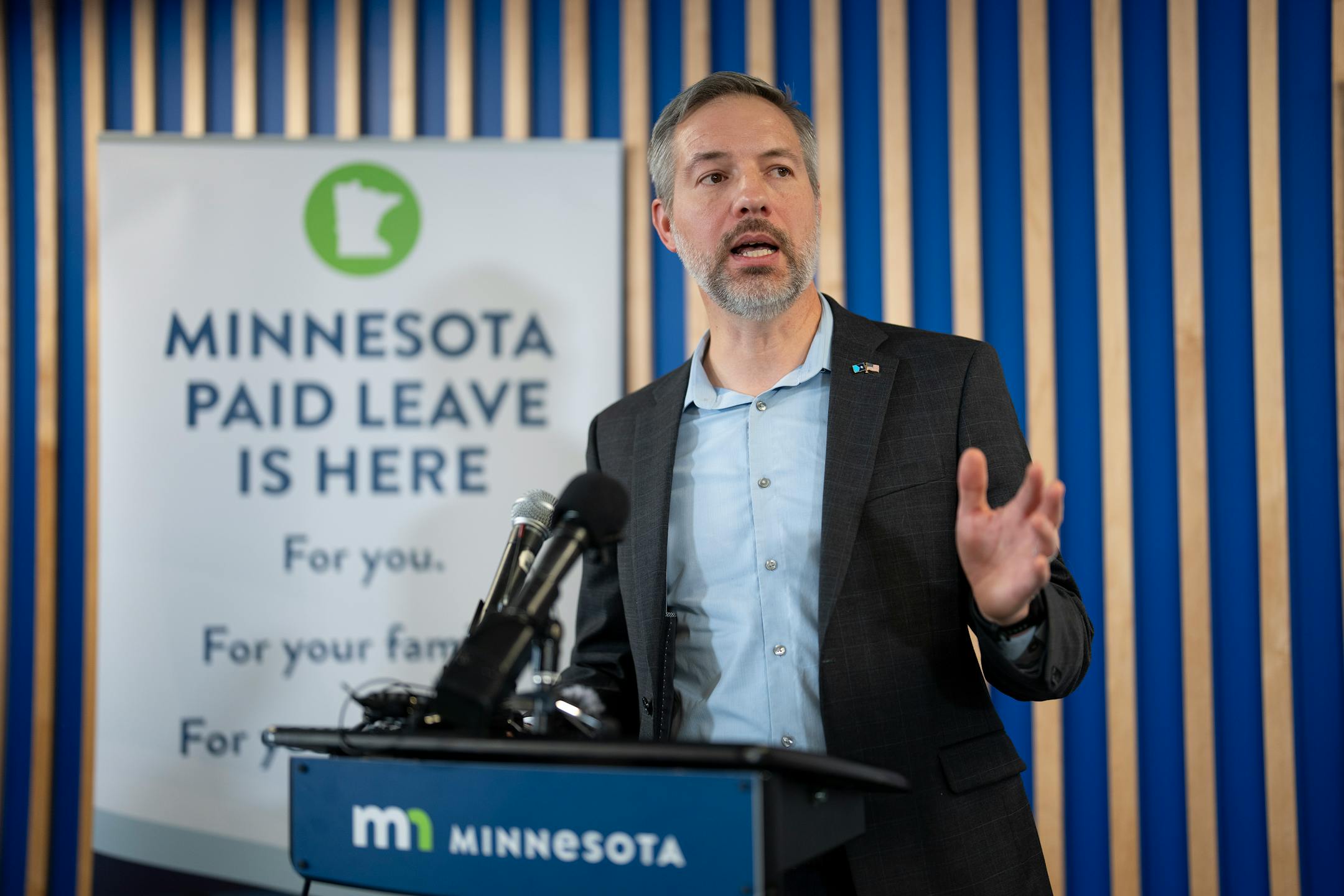
Matt Varilek, commissioner of the Minnesota Department of Employment and Economic Development, speaks during a press conference announcing the launch of Minnesota's paid family leave program at the DEED office in St. Paul on Dec. 30. (Alex Kormann/The Minnesota Star Tribune)

Paid leave applications open Dec. 31. Eligible uses include caring for an ill or elderly loved one, bonding with a new child, supporting a family member called to active military duty or responding to issues such as domestic violence, sexual assault or stalking.

Unlike typical time off cleared through an employer, paid leave applications are filed with the state. Employees must notify their employer they’ve applied for leave, and the employer can provide relevant information to the state. Then it’s up to the state, not the employer, to approve or deny the application.

The program has fraud prevention measures in place, Varilek said, including front-end identity verification. There are also documentation requirements, such as confirmation from a health care provider that a request for medical leave is valid.

In some cases, such as the birth of a child, the leave can last for as much as 20 weeks.

Toni Mangskau, who advocated for the paid leave law, said at the Dec. 30 news conference that the program would have made a big difference when her mother was in hospice. Not only did balancing work and caring for her mother take a financial toll, she said, but the emotional cost was steep, too.

“With all the struggling of work schedules, my mom died alone, without family at her bedside,” she said. “My belief is that if we would have had paid family and medical leave in place, we would have been at her side in her last moments of life.”

To apply for paid leave or learn more about the program, visit paidleave.mn.gov or call 651-556-7777 or 844-556-0444.

about the writer

about the writer

Emma Nelson

Editor

Emma Nelson is a reporter and editor at the Minnesota Star Tribune.

See Moreicon

More from Business

See More
card image
Brian Peterson/The Minnesota Star Tribune

Political stakes are high for success of the program, which mandates 12 weeks of paid family and medical leave.

card image
