
New year brings new laws, including paid family leave

From a major new paid leave benefit to the end of the deer shotgun zone, Jan. 1 brings several new laws.

The Minnesota Star Tribune
December 28, 2025 at 1:00PM
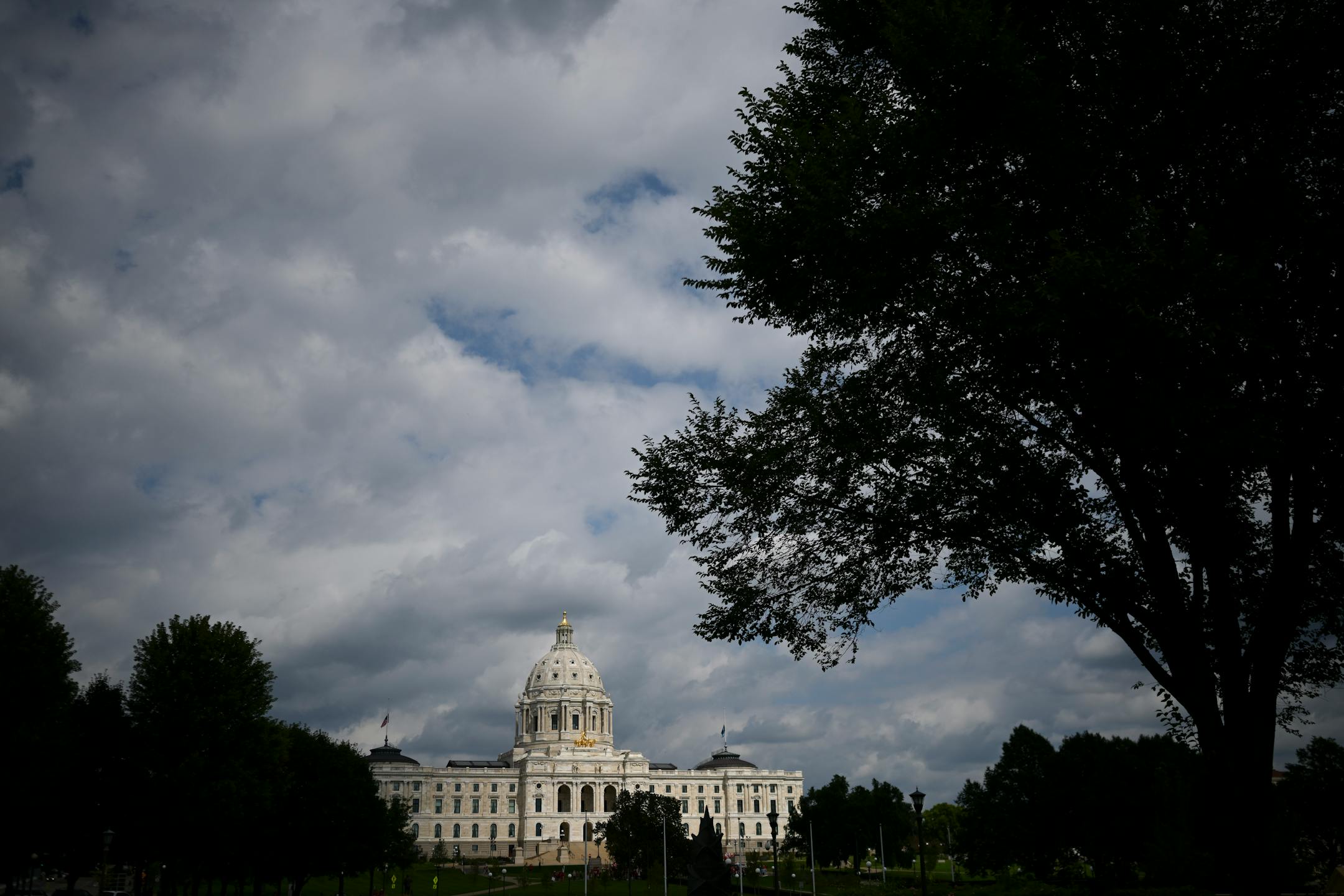
The Minnesota State Capitol. (Aaron Lavinsky/The Minnesota Star Tribune)

A fresh batch of new laws will take effect in Minnesota on Jan. 1. Workers, parents, voters and those who spend their free time in the great outdoors will all see impacts.

The largest change is the rollout of paid family and medical leave as Minnesota becomes just the 13th state in the nation with such a policy.

Read on to learn more about paid leave and other laws set to take effect this week:

Paid family and medical leave

Beginning Jan. 1, Minnesota workers can apply for up to 12 weeks of paid leave to deal with medical conditions, bond with a new baby or take care of a sick loved one. Parental leave will be available to parents who welcomed a child via birth, adoption or foster placement.

Both Minnesota employers and employees will be subject to a new 0.88% payroll tax, at least half of which must be paid by the employer. Funds from businesses across the state will be pooled to pay benefits to workers who take leave, and payments will be administered similarly to unemployment insurance.

Workers can take both personal medical leave and family leave in a year, with the combined total capped at 20 weeks.

Breaks for workers specified

The currently required “adequate time” for breaks at work will be standardized to whichever is longer: 15 minutes or enough time to use the nearest restroom. For lunch, the current requirement of “sufficient time to eat” will be standardized to at least a 30-minute meal break for every six consecutive hours worked.

Increases to annual watercraft surcharge and water permit fees

The annual surcharge assessed to watercraft users will rise from $10.60 to between $14 and $62, depending on boat size, type and use. The assessment change will fund invasive species control.

Increased water-use permit processing fees and water-use permit application fees also take effect on Jan. 1. These fees are credited to the water management account in the natural resources fund.

End to deer shotgun zone

A “shotgun zone” that restricted deer hunters to using only shotguns, muzzleloaders and handguns in southern Minnesota has been repealed. Beginning Jan. 1, hunters anywhere in the state can once again use all legal firearms for deer hunting during the regular firearms season, unless a county in the former shotgun zone adopts an ordinance that restricts their use.

Scam protection for vulnerable adults

Under a new law, Minnesotans can petition the court for an order for protection against financial exploitation of vulnerable adults. The law aims to protect vulnerable people from scams and requires that a court hearing is held within 14 days of receiving the petition. Relief could include freezing the vulnerable adults’ assets and credit lines.

Election law changes

Voters requesting absentee ballots online will need a Minnesota driver’s license or state ID card number and the last four digits of their Social Security number. Otherwise, they will need to certify that they do not possess one of those numbers.

Those mailing an absentee ballot application must include the following statement in a way that is clearly visible when the mailing is opened: “This mailing is not an official election communication from a unit of government. This [absentee ballot application or sample ballot] has not been included at the request of a government official.”

Minimum wage inflation adjustment

To account for inflation, Minnesota’s minimum wage rate will rise from $11.13 to $11.41 an hour for all employers in the state. The 90-day training wage for workers younger than age 20 will increase from $9.09 to $9.31 an hour. These rates reflect a 2.5% increase.

Minneapolis and St. Paul have minimum wage ordinances that require higher rates for work performed within their cities. In Minneapolis, the minimum wage will rise from $15.97 to $16.37 on Jan. 1.

about the writer

about the writer

Zoë Jackson

Reporter

Zoë Jackson is a general assignment reporter for the Star Tribune. She previously covered race and equity, St. Paul neighborhoods and young voters on the politics team.

See Moreicon

More from Politics

See More
card image
Aaron Lavinsky/The Minnesota Star Tribune

From a major new paid leave benefit to the end of the deer shotgun zone, Jan. 1 brings several new laws.

card image
card image