


In Otter Tail County, there’s a group of “patriots” who want no government funding of schools or welfare programs. They think parents should pay for schools themselves. They think churches should feed the hungry.
That’s how it used to be, and it should be again, they told me at a Charlie Kirk memorial last month. Just like in the olden days, and even in biblical times, when the poor were allowed to glean the fields of the rich. As I pondered the logistics of transporting busloads of urban poor to rural areas to compete for pesticide-bathed potatoes, I dismissed their ideas as utter nonsense, unlikely to ever see the light of day.
But the more I thought about it, the more I came to realize that, actually, some of their ideas are already taking on flesh-and-blood reality.
Already, the Trump administration has been cutting food aid to those least able to feed themselves. And the government shutdown is imperiling the Supplemental Nutrition Assistance Program (SNAP). Until Congress can agree on spending, SNAP has no money to send to those who rely on the program for food.
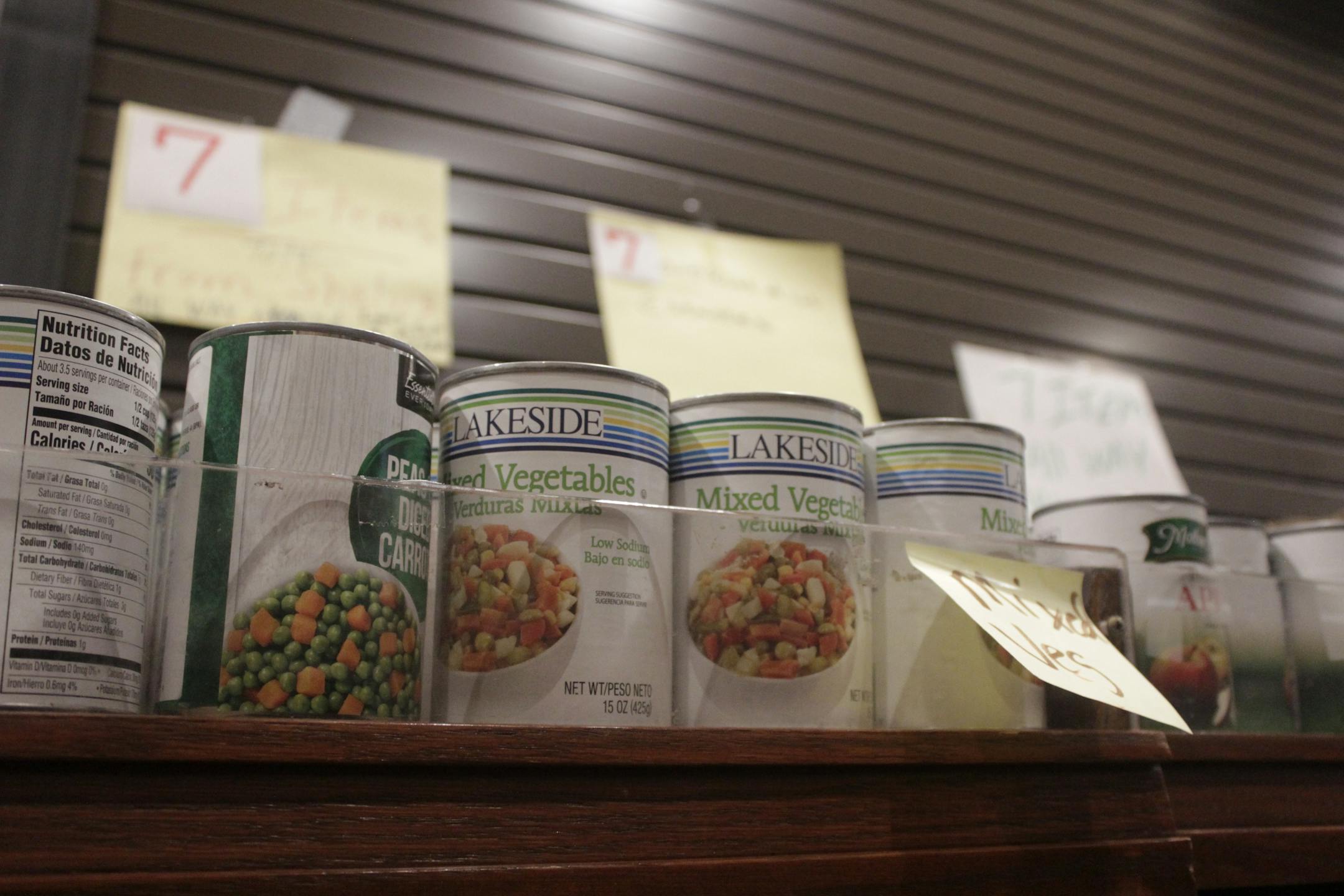
The longer the shutdown lasts, the more likely it is that people in need, many of them elderly or parents of young children, will have to turn elsewhere. Like, food shelves. And who supplies many of the nation’s food shelves? Churches, or do-gooders connected to them. The first one was started by John van Hengel, a devout Roman Catholic in Arizona, who had been gleaning fallen fruit from orchards for a soup kitchen where he volunteered. He developed the first food bank in the 1960s with money from St. Mary’s Basilica in Phoenix. The idea spread throughout the U.S., as well as internationally.
Churches aren’t the only source of food, though. Food shelves also gather unsold food from grocery stores and receive government aid.
Not to worry, though, my pretty little extremists. We may soon rely more on churches than on industry or government to feed the hungry. This year’s One Big Beautiful Bill Act — perhaps inadvertently, perhaps not — removed the tax incentive for C-corporations such as Cub or Walmart to donate to charity. Beginning in 2026, in order to deduct their donations, the donated amount has to be above 1% of their taxable earnings. So if they make $1 million, they could only deduct donations worth $10,000 or more, which is often more than they donate. However, they can still write off the food they throw away, of any amount, as a business loss.
So starting next year, corporations can still claim a tax break for throwing away expired or near-expired cans of tuna, but no tax deduction for donating them.


