
Trump tariff impacts less than originally expected, but still hit Minnesota companies hard

Tariffs were the talk of second quarter earnings calls in the past few weeks, and executives say the millions in levies are affecting the bottom line.

The Minnesota Star Tribune
August 1, 2025 at 2:31PM
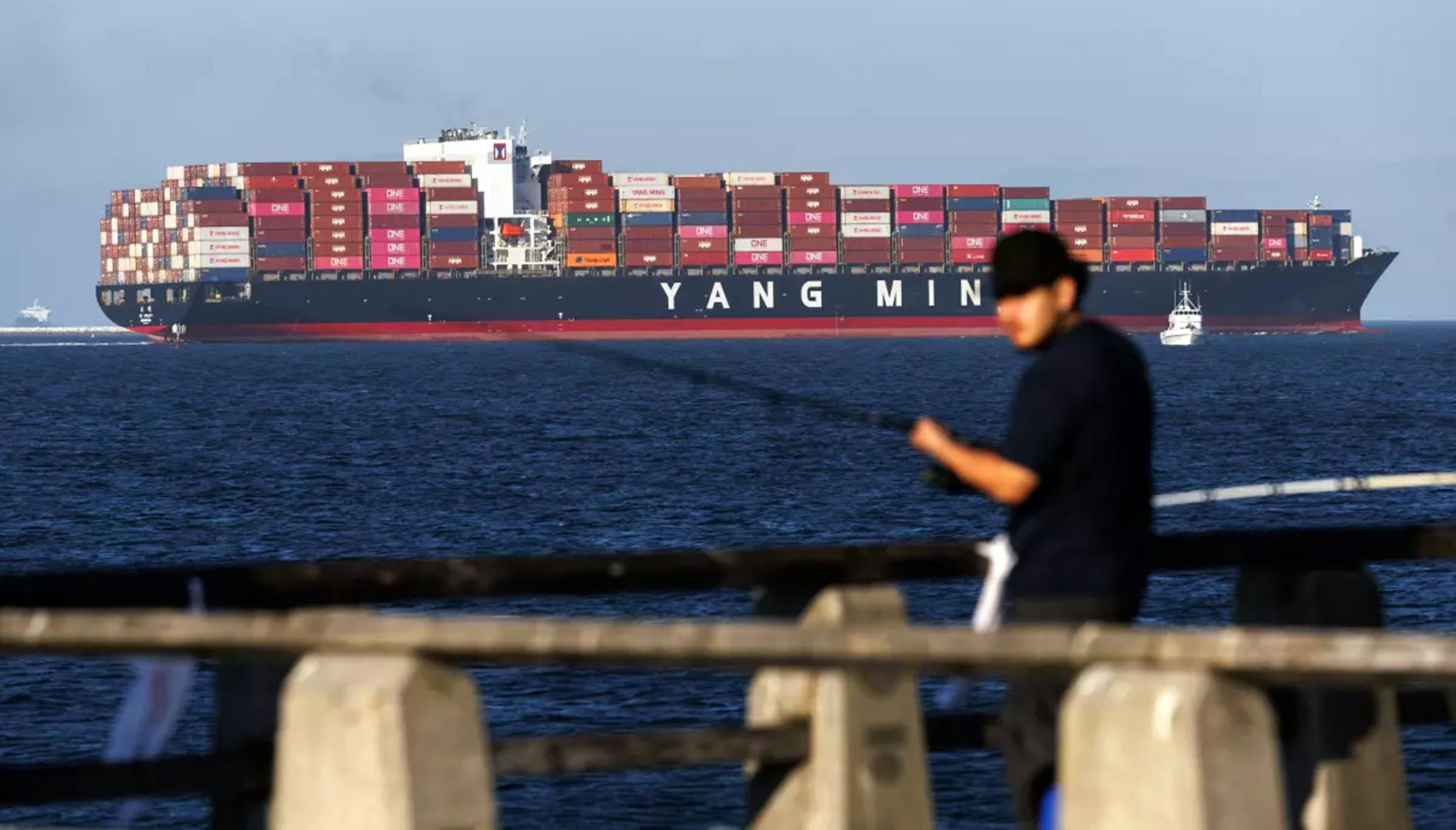
The changing tariff policies under the Trump administration have resulted in companies needing to be flexible. But the costs, while lower than originally expected, are affecting their bottom lines. (Gina Ferazzi/Los Angeles Times)

Tariffs have dinged Minnesota companies’ profits — though not as much recently as feared — as a new round of trade taxes keeps business in a state of uncertainty.

Executives, on a wave of earnings calls over the past two weeks, said tariff costs were much less, in some cases halved, from what they expected three months ago.

But the ever-changing cost of doing business globally was still significant: $230 million for Polaris. $75 million for Pentair. $100 million for Boston Scientific.

These costs do not include the impact of President Donald Trump’s latest tariff announcement late Thursday, which includes levies on 68 countries and the European Union that will take effect in a week.

Some industries are finding it difficult to pass on costs.

“Fluid trade policies continue to create uncertainty, making planning activities more difficult for our over 83,000 customers around the world,” Dave Bozeman, CEO of Eden Prairie-based C.H. Robinson, one of the largest logistics providers in the world, said during an earnings call this week.

Adjusting to tariff changes

Trump says the tariffs will level trade deficits and encourage more U.S. factory work.

As Trump’s negotiations with other countries continue so does the uncertainty, economists and executives said.
A new analysis by the Washington Center for Equitable Growth — completed July 21 before the 15% tariffs on goods from the European Union was known — pegged the cost increases at 2% to 4.5% for U.S. factories.

Ford Motor Co. was the latest large U.S. manufacturer to call the policies unfair. The company on Wednesday reported a $36 million loss in its spring quarter, and it faces a $2 billion annual tariff impact.

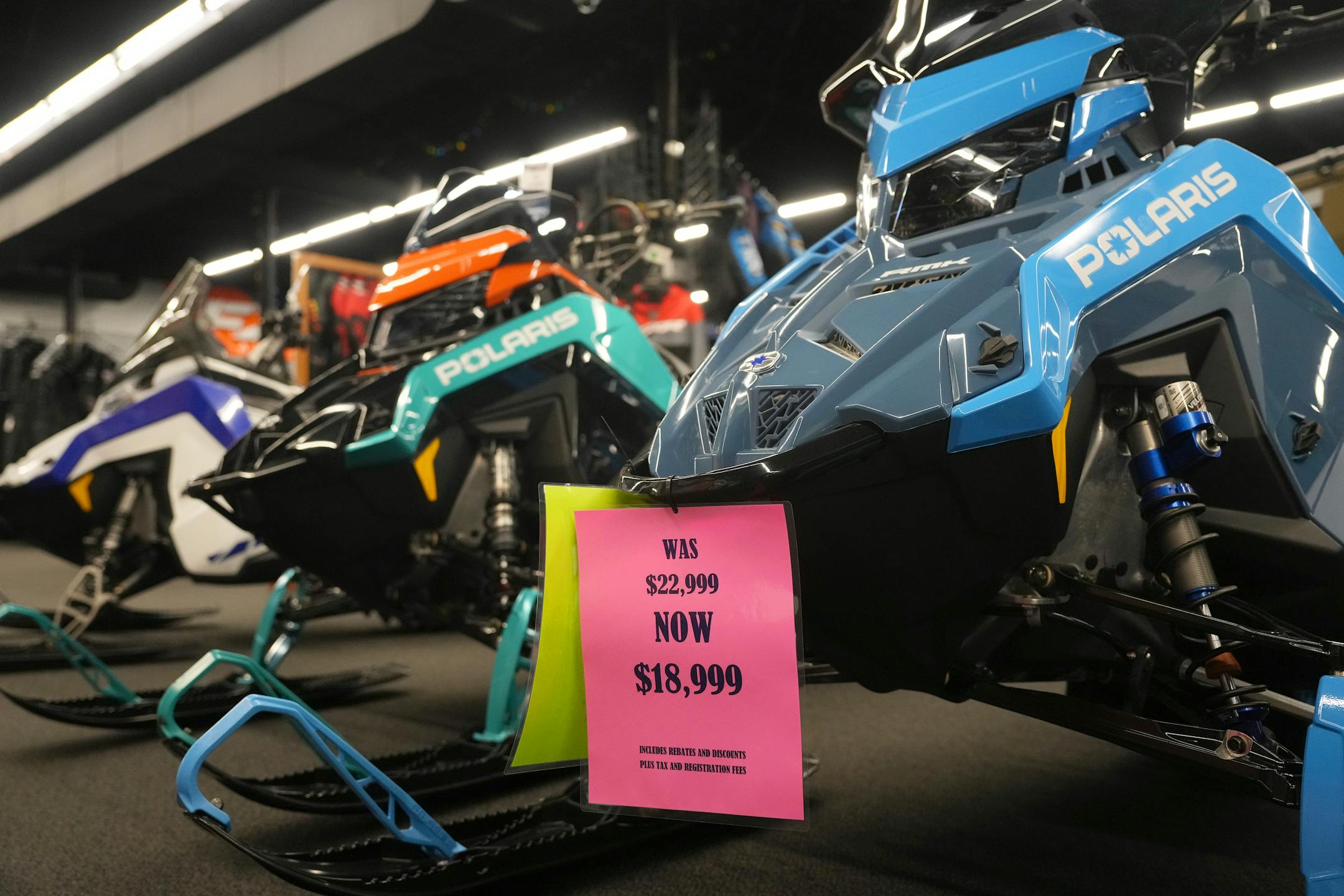
Polaris is hit harder by tariffs than its competitors because of its strong U.S. manufacturing footprint, the company said. (Anthony Soufflé/The Minnesota Star Tribune)

Polaris CEO Mike Speetzen said Tuesday that the tariffs put the ATV and snowmobile maker at a “competitive disadvantage.” The primary powersports companies all use parts from China, but because Polaris’ plants are mostly domestic, unlike its rivals, its costs are higher.

Minnesota company executives said they are cutting operating costs and, when they can, raising prices.

Medina-based Polaris is on track to reduce the parts it gets from China by 35% by the end of the year, Speetzen said Tuesday.

“The real message is we’re agile, and we’re prepared,” he said.

Speetzen said Polaris is lobbying heavily in Washington for more tariff relief. The decreased levy on Chinese parts from 145% to 55% meant the financial damage wasn’t as severe as feared.

Rather than $380 million, the estimated impact on the company of tariffs for 2026 is now $230 million.

“We’re working that number hard and we’re committed to getting it below that $230 million,” Speetzen told analysts.

Pentair, the water product company run from Golden Valley, increased its financial guidance for the remainder of the year after reporting a 14% increase in adjusted earnings for the second quarter.

The rosier outlook includes $60 million in tariff costs in the second half of the year. If the estimate holds, it means tariff costs of $75 million for the year, down from the $140 million estimate three months ago.

The company cautioned, however, that the projection doesn’t include any effect from the recently concluded EU deal or a recently announced levy on copper imports.

Pentair will mitigate some of the tariff expense through increased pricing and cost-cutting measures.

Tariffs for the long term

Medtech companies Abbott Laboratories and Boston Scientific, both with large footprints in Minnesota, said the tariffs affected their results.

Abbott CEO Robert Ford said the added costs will now become part of long-term planning.

“So we’re thinking about it once tariffs get set in place, they’re very difficult to walk away from,” he said on the company’s call with analysts. “So we have to think also medium term, but also long term.”

That includes not just financial projections but company operations.

“As we move through 2025, we’ve been redirecting more and more product to come directly into Canada where the economics justify it,” said Dan Florness, Fastenal CEO. “And the same thing in Mexico.”

That makes the supply chain costs more expensive long term, he said.

“Tariffs have reshaped how companies approach supply chain planning and global sourcing,” Mike Short, president of global freight forwarding at C.H. Robinson, said after Trump’s Thursday announcement. “What we’re seeing now is a more intentional, tiered sourcing hierarchy that prioritizes geopolitical stability, business continuity, and cost efficiency. ... While diversification isn’t a new concept, the urgency and scale at which it’s happening is.”

This story contains material from the Associated Press.

about the writer

about the writer

Patrick Kennedy

Reporter

Business reporter Patrick Kennedy covers executive compensation and public companies. He has reported on the Minnesota business community for more than 25 years.

See Moreicon

More from Economy

See More
card image
Mary Altaffer/The Associated Press

There are seven answers in the form of tech companies like Nvidia, Apple and Microsoft. But their outsized impact could spell disaster if the AI bubble bursts.