
Key takeaways from Target’s pre-holiday report

As tight consumer budgets continue, Target’s sales and profits both declined. The company also is increasing its investment in stores, merchandise and AI.

The Minnesota Star Tribune
November 19, 2025 at 7:52PM
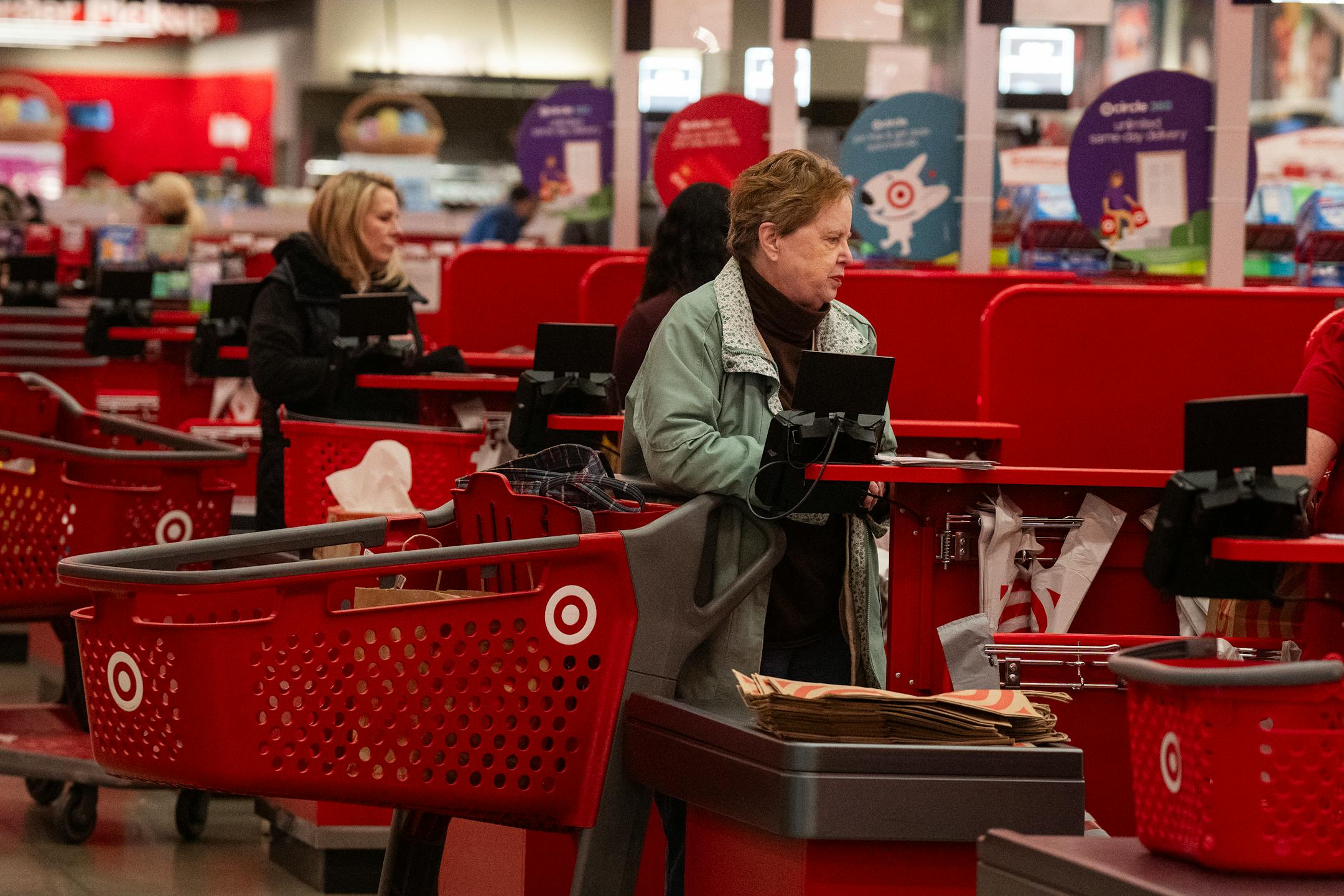
Target plans to spend $5 billion next year to improve stores and revamp merchandise. (Richard Tsong-Taatarii/The Minnesota Star Tribune)

Target will spend an additional $1 billion next year to revamp merchandise and improve stores as sales and cautious consumers have made the start of holiday buying challenging.

Company officials also announced a new partnership with OpenAI to expand online shopping options, as the retailer tries to catch up to competitors.

Long known for clean stores and on-trend products, the Minneapolis-based retailer has been facing increasing pressure as shoppers and analysts point to messy aisles, thin inventory and dull merchandise.

That slip has allowed Walmart to gain ground on Target’s claims to fame, especially as consumers grow more anxious about rising prices.

Target reported a 2.7% decline in same-store sales for the August-to-October quarter and a nearly 20% drop in profits year over year. The company also lowered the high end of its profit outlook to between $7 and $8 a share, down from a previous range of $7 to $9.

Here are some takeaways from the retailer’s latest financial results.

Increasing investment in stores

Target had already committed $4 billion in capital improvements for next year. With the added investment, the retailer now plans to spend $5 billion to advance the priorities of incoming CEO Michael Fiddelke.

The extra $1 billion will go toward remodeling more stores and making “some of the biggest changes in major assortment categories,” a Target spokesman said.


Chief Commercial Officer Rick Gomez said on a call with analysts that Target is focusing on home furnishings, baby products and beauty as part of its floor plan changes. The retailer’s partnership with Ulta will end in August 2026.

The company did not otherwise break down how the money will be used. Fiddelke’s three focuses include improving product assortment, enhancing the in-store experience and expanding its use of technology.

The retailer will share more details of its stepped-up plans in March when it reports year-end earnings.

Analysts have pushed for heavier investment, echoing the strategy under outgoing CEO Brian Cornell, who poured $7 billion into remodels and technology in the years leading up to the pandemic. Some questioned Wednesday why the investment wasn’t larger given the retailer’s current woes and need for drastic change.

Others argue Target doesn’t need a full overhaul, but it must sharpen execution of the basics.

UBS analyst Michael Lasser pointed to more funding for in-store staffing and wages, along with further supply-chain improvements in a recent research note.

Target said on-shelf availability of its most popular items improved compared with the same quarter last year. The retailer has also made adjustments to its “stores as hubs” model by reducing online order fulfillment in busy stores.

Target’s slower, but growing, AI push

Target has been quieter than other big retailers about its use of artificial intelligence (AI). That changed recently when the company rolled out a suite of AI-powered features, including a gift recommendation tool and adjustments to its app for in-store shoppers.

The retailer also announced a partnership Wednesday with OpenAI. Target said it will be one of the first retailers to allow customers to purchase multiple items — including groceries — in a single AI-assisted transaction, with options for drive-up and pickup.

“Our goal is simple: make every interaction feel as natural, helpful and inspiring as chatting with a friend,” said Prat Vemana, Target’s chief information and product officer, in a news release.

The first version of the chatbot will launch next week in Target’s app.

Walmart unveiled a similar partnership with OpenAI in October as part of an expansion of its AI capabilities, including its Sparky shopping assistant and a newly created executive vice president of artificial intelligence, product and design.

“We’ve put AI to use across the business, for years in many cases,” Fiddelke said on a call with reporters. “But we need to be at the forefront of how the consumer’s going to shop, and that means being at the forefront of technology.”

Consumer spending still choppy

Target continues to see shoppers affected by tariff-related uncertainty, job insecurity and broader economic unease. The company reported growth in beauty, food and beverage and hardlines, which includes popular items like trading cards, toys and electronics.

Gomez said customers are still showing up for big moments but making trade-offs by prioritizing the core parts of each season, including choosing candy and costumes for Halloween over decorations.

“As we go into Christmas and the holidays, we think the consumer will prioritize what goes under the tree vs. what goes on the tree,” Gomez said on the media call.

Customers made fewer trips to Target, both in-store and online, and spent less during those visits. Traffic dropped by 2.2% and the average transaction amount fell by 0.5%.

Fiddelke said external factors, such as the pause in SNAP funding and the government shutdown, contributed to some of the inconsistency in the quarter. Sales were flat in August and October but dropped about 4% in September.

Target joined other retailers this fall in cutting prices on staples such as milk, bread and butter, lowering costs on 3,000 grocery and household essentials. And in stores, employees have been instructed to greet or acknowledge any customer within 10 feet — part of a renewed emphasis on guest service. The company is also facing an ongoing boycott for its public retreat from several diversity and inclusion initiatives.

“It is going to take Target a number of years to get fully back on track — especially if the consumer economy tightens," wrote Neil Saunders, managing director of GlobalData Retail, in an analyst note. “It needs to show meaningful progress – and that must come through in what customers see and not just in vague metrics.”

Home Depot, one of the first major retailers to report earnings, said Tuesday that it saw weaker home improvement demand and mild consumer demand, leading to lower-than-expected sales.

about the writer

about the writer

Carson Hartzog

Retail reporter

Carson Hartzog is a business reporter covering Target, Best Buy and the various malls.

See Moreicon

More from Retail

See More
card image
Anthony Soufflé/The Minnesota Star Tribune

The locally owned boutique ended its 15-year run Tuesday after a year of uncertainty as middle-income shoppers pulled back amid rising financial pressure. A truly bad Small Business Saturday was the final straw.

card image