Surprise visits from immigration agents frighten prospective citizens

U.S. Citizenship and Immigration Services has revived home visits for citizenship applicants. Attorneys say it’s a fear tactic.

The Minnesota Star Tribune
November 24, 2025 at 12:00PM
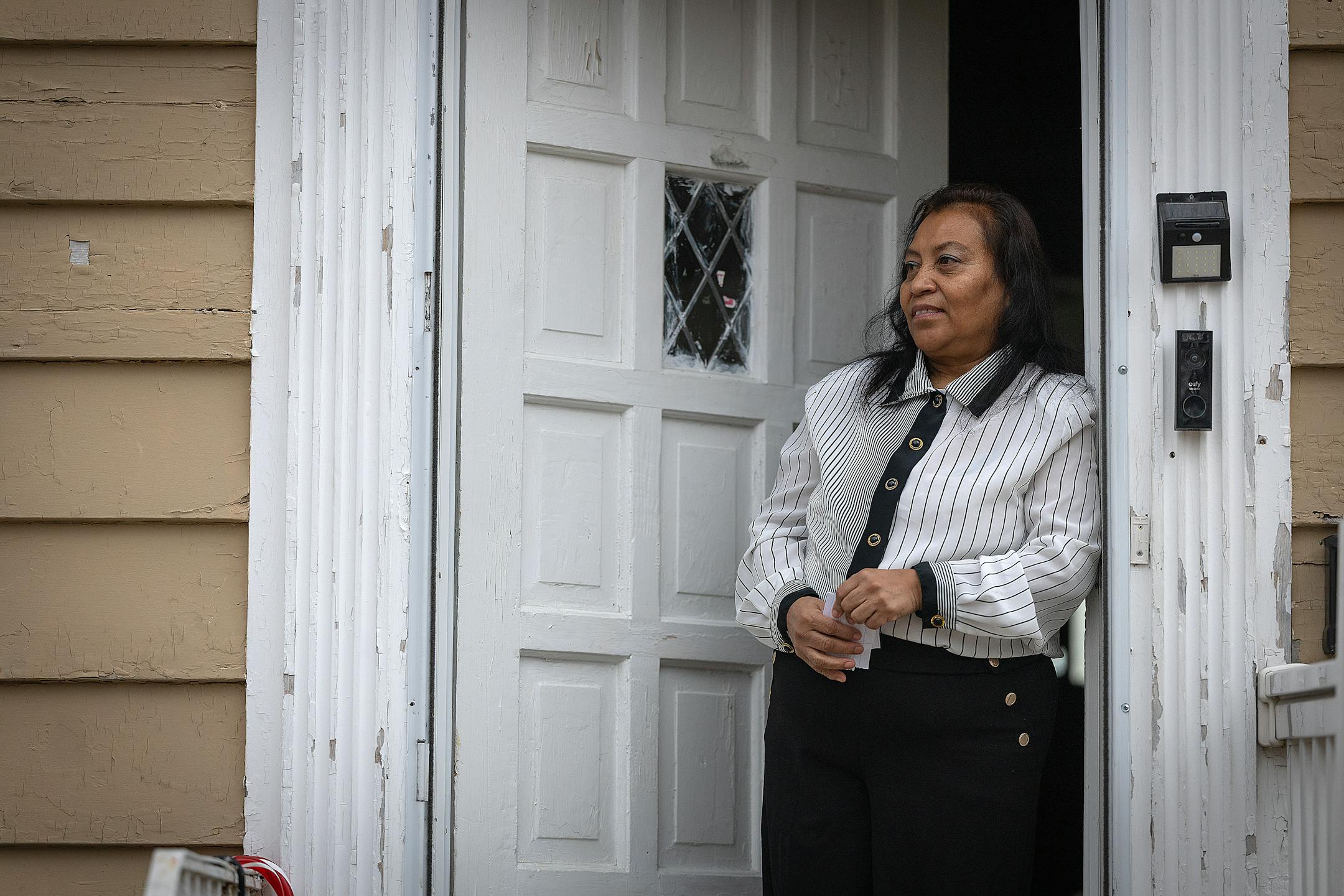
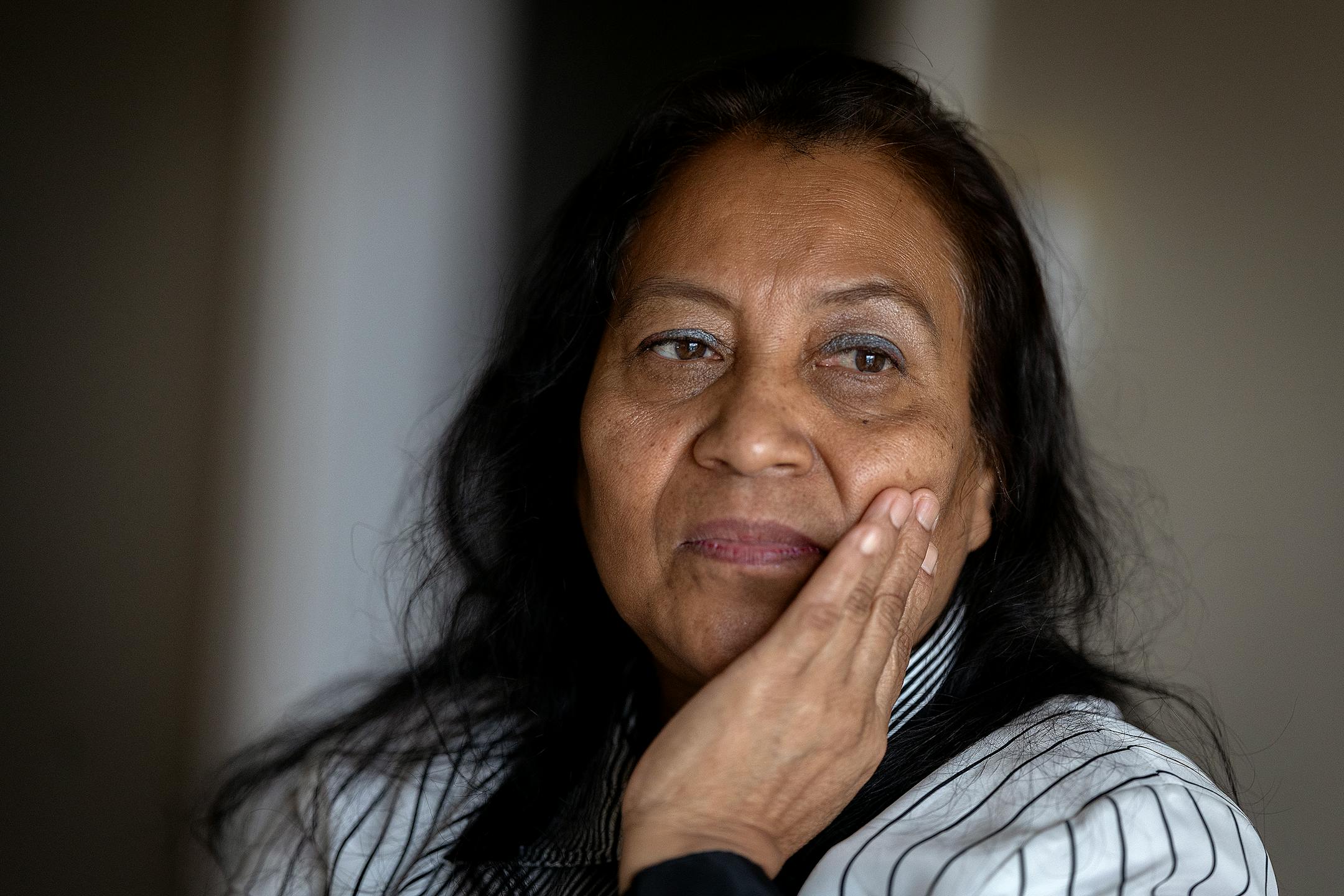
Candida Mendez Hernandez, a naturalized citizen, talks about the fear she felt when immigration agents made an unscheduled visit and tried to interview her daughter, who has Down syndrome, at her home. (Elizabeth Flores/The Minnesota Star Tribune)

Immigrants on the verge of becoming naturalized citizens are getting surprise home visits from federal agents who want to interview them about their applications without their lawyers.

Immigration attorneys say dozens of green-card holders recently had in-office interviews canceled by U.S. Citizenship and Immigration Services (USCIS) only to have federal agents show up at their homes with no warning.

It’s the latest example of how legal immigrants who are in the process of becoming naturalized citizens are also subject to President Donald Trump’s immigration crackdown. Federal officials say they’ve increased scrutiny on potential citizens to reduce fraud.

On Nov. 13, USCIS announced several steps it was taking to increase the scrutiny of potential citizens. In addition to reviving regular home visits for the first time since 1991, the agency is adding questions to the citizenship test and reviewing social media posts and other statements for “anti-American ideologies.”

“To better combat fraud, USCIS has intensified unannounced, in-person site visits to verify the information provided by aliens and petitioners,” Matthew Tragesser, USCIS spokesman, said in a statement. “Let us be clear: the burden of proof squarely rests on the alien to establish their eligibility for immigration benefits.”

Immigration attorney David Wilson said the shift in tactics upends 30 years of past practices that mostly eliminated home visits in favor of interviews at federal offices. He characterized USCIS showing up unannounced to question prospective citizens without their lawyers as intimidation rather than fraud prevention.

“It is such an extraordinary change in culture and approach,” Wilson said. “In 28 years of doing naturalizations, I haven’t had this many home visits in a year, let alone a weekend.”

Most of the immigrants who recently received home visits in the Twin Cities are low-income or have disabilities and have requested fee waivers or other medical accommodations, attorneys say.

Becoming a naturalized citizen typically takes years with layers of interviews, background checks, medical exams and other vetting. For decades, applicants and their lawyers have met with immigration agents at federal offices.

‘Wrong for them to question her’

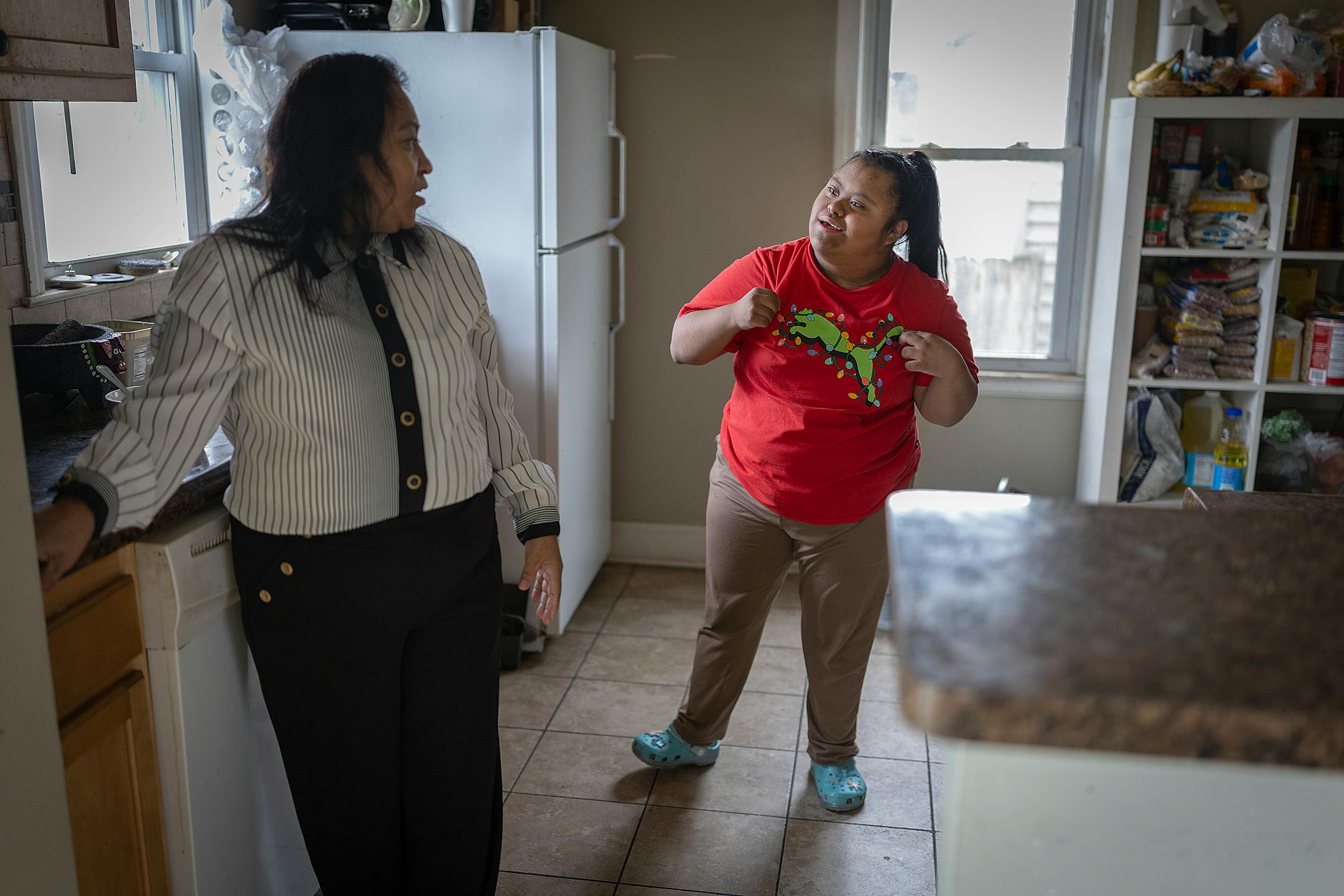
Candida Mendez Hernandez popped out to the store on a recent Saturday afternoon to pick up a few things. When she got back, two USCIS agents were inside her Minneapolis home, trying to question her younger daughter Iris.

Her older daughter Laura was undergoing an at-home dialysis treatment and Iris, who has Down syndrome and limited communication skills, let the agents in without understanding what they wanted.

Candida Mendez Hernandez makes lunch for her daughter Iris at their home in Minneapolis on Monday, Nov. 17. (Elizabeth Flores/The Minnesota Star Tribune)

“All she could tell them was, ‘Momma’s not home,’” Mendez Hernandez said through a Spanish interpreter.

Mendez Hernandez and Laura are both recently naturalized citizens and Iris’ application is pending. Her mother has requested a medical exemption for the citizenship test because of Iris’ condition and a fee waiver.

Iris was scheduled for an in-person interview at USCIS’ Minneapolis office in late October, but the appointment was canceled at the last minute. Days later the agents were in her home.

“We were scared,” Mendez Hernandez said. “It’s like they think that we’re lying. My daughter is truly disabled. She’s unable to do the typical interview. It was wrong for them to question her without me being there.”

Mendez Hernandez and her daughters’ attorney Katherine Santamaria El Bayoumi said several of her other clients also had agents come to their homes to challenge their request for certain accommodations. She’s now advising them not to speak without their attorney.

“I’ve had clients who’ve been asked a lot of invasive questions,” El Bayoumi said. “People have rights in this country. They don’t have to open the door. They can respectfully decline these visits.”

Candida Mendez Hernandez talks about the fear she felt when immigration agents made an unscheduled visit and tried to interview her daughter, who has Down syndrome, at her home in Minneapolis. (Elizabeth Flores/The Minnesota Star Tribune)

Allegations of fraud

Changes to the legal immigration system come as the Twin Cities was recently the kicking-off point for what USCIS described as a “first of its kind targeted surge of fraud detection.” Federal agents probed roughly 1,000 applicants and said they detected some sort of fraud or public safety concern in 275 cases.

At a Sept. 30 news conference, USCIS Director Joseph B. Edlow characterized the Twin Cities as rife with immigration fraud. He said “hundreds of bad actors will be held accountable.”

But immigration advocates noted that during the 10-day surge USCIS arrested only four people and referred 42 to Immigration and Customs Enforcement — less than 5% of the cases they investigated. So far, no federal charges have been made public.

“I overwhelmingly disagree. Fraud is not rampant,” said Ashlyn Vosika-Scherzberg, director of immigration legal services for Arrive Ministries, which helps immigrants and refugees resettle in the U.S. “Everything is vetted very diligently.”

Instead, immigration attorneys, like Wilson and El Bayoumi, think USCIS has revived home visits and made other changes to the citizenship process to intimidate people with the hope they’ll abandon their requests for fee waivers and other accommodations. Some have considered withdrawing their citizenship applications entirely.

“They are over scrutinizing and almost punishing people for daring to seek an exception. That’s what government bullies do,” Wilson said. He added that the Trump administration was tarnishing a goal many work toward for years. “It’s a pinnacle for people. It’s their dream.”

about the writer

about the writer

Christopher Magan

Reporter

Christopher Magan covers Hennepin County.

See Moreicon

More from Twin Cities

See More
card image
Anthony Soufflé/The Minnesota Star Tribune

The governor held a news conference with community and faith leaders in north Minneapolis responding to the latest federal immigration enforcement.

card image
card image