Federal officials warn they may withhold up to $515 million in quarterly Medicaid funding to Minnesota amid fraud investigations, saying the state is not complying with rules to protect taxpayer dollars.
The state announced Jan. 13 it’s appealing the funding freeze, which could amount to more than $2 billion a year, calling the action “legally baseless” and politically motivated.
Minnesota Department of Human Services leaders intend to argue at an administrative hearing that they are meeting federal requirements and the action is unwarranted. If the Centers for Medicare and Medicaid Services move forward with the payment withhold, it remains to be seen just how much money Minnesota could miss out on — and whether the dollars would be postponed or lost entirely.
The federal government’s “recent decision to withhold Medicaid funds is putting the people whom both agencies are sworn to serve at risk,” temporary Human Services Commissioner Shireen Gandhi said. “Minnesota cannot absorb the loss of more than $2 billion in annual funding for these programs without catastrophic consequences for the people we serve.”
The Trump administration has zeroed in on allegations of widespread fraud in Minnesota social services programs and condemned Democratic Gov. Tim Walz’s failure to prevent the scandal.
The potential Medicaid funding freeze is one of several the administration has threatened amid fraud concerns in Minnesota, triggering legal battles. Most recently, Department of Agriculture Secretary Brooke Rollins said she was suspending $129 million to the state and city of Minneapolis for food stamps and other programs. Around the time of Rollins’ announcement last week, a federal judge blocked a different federal effort to halt $10 billion in funding to five Democrat-led states, including Minnesota, for child care and other services.
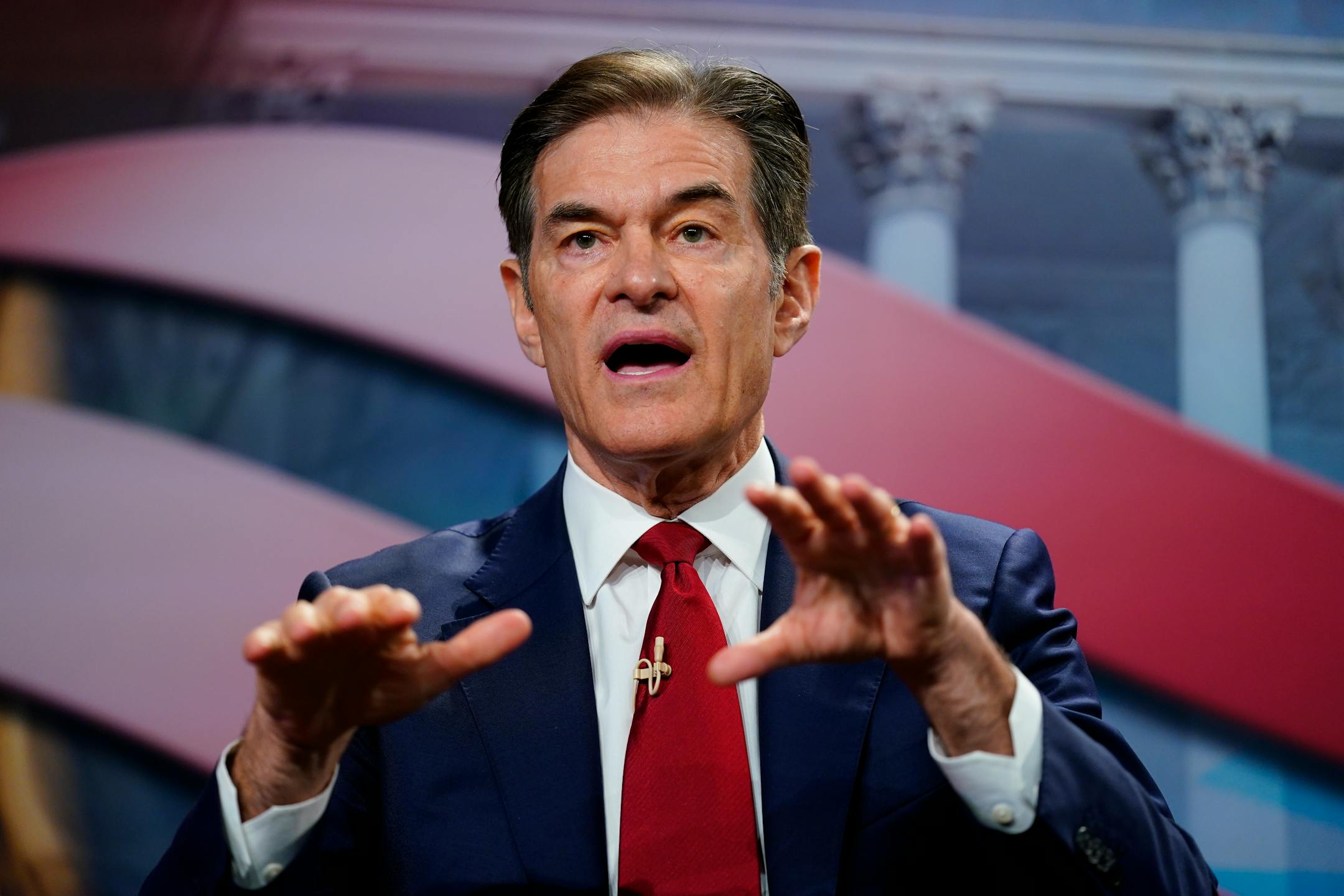
On Jan. 6, Dr. Mehmet Oz, who leads the Centers for Medicare and Medicaid Services, wrote in a letter to state officials that their previously submitted plan to address Medicaid fraud is deficient in a number of areas and the state has until Jan. 30 to revise it. Among the missing pieces, he said, are enforceable timelines to implement changes and metrics to evaluate their effectiveness.
Medicaid programs are funded through a mix of state and federal dollars. The $515 million figure federal officials suggested could be withheld was based on how much the federal government spent in one quarter last year on 14 service areas the state has identified as at high risk of fraud. Alternatively, Oz said, if they get a figure from the state of quarterly fraudulent expenditures they could withhold that sum.