
Federal threat to halt child care funding could squeeze thousands of Minnesota families

The move to freeze $185 million is the latest in a string of Trump administration threats responding to the state’s handling of fraud and criticizing Somali residents and Gov. Tim Walz.

The Minnesota Star Tribune
December 31, 2025 at 10:29PM
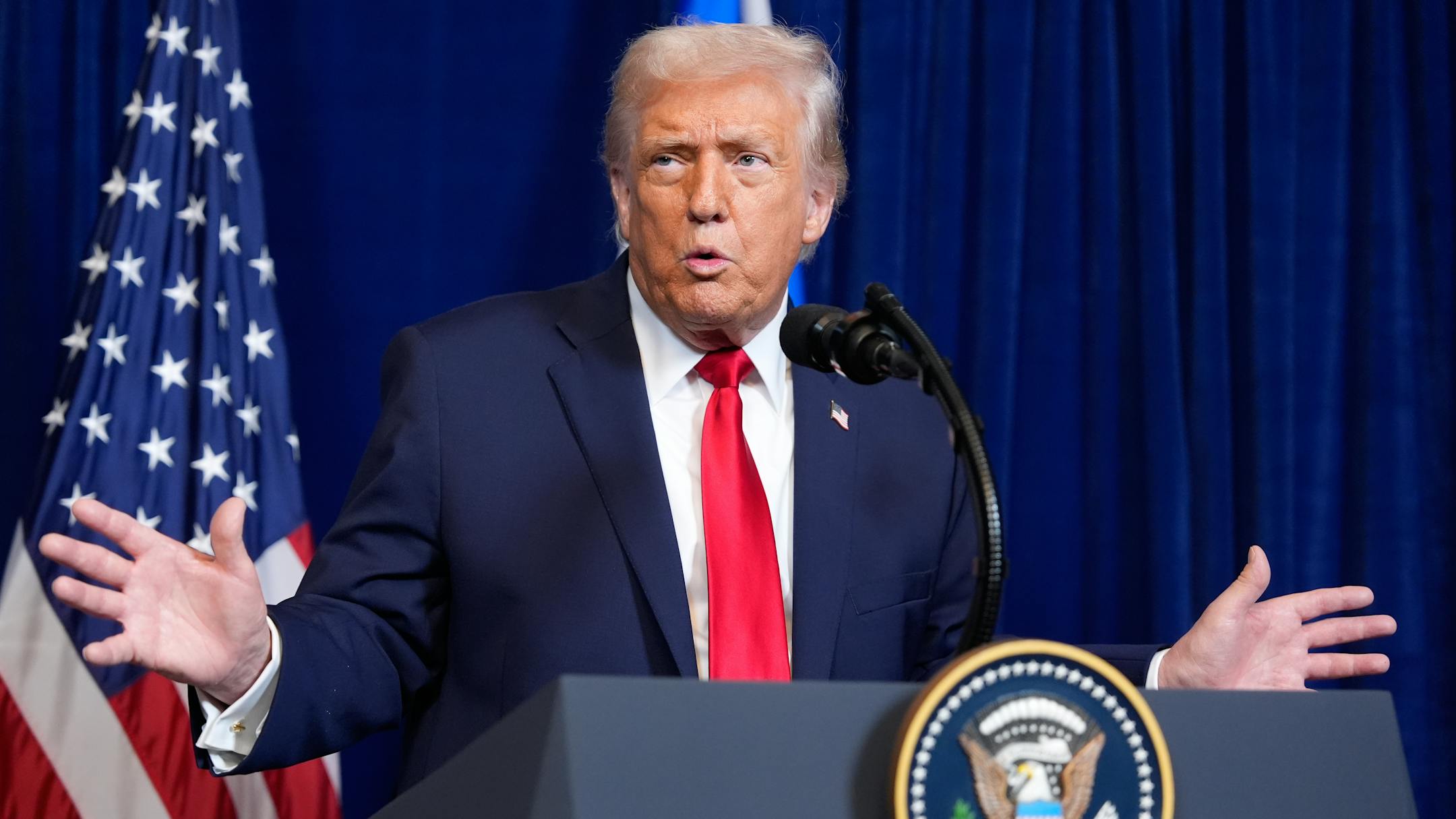
President Donald Trump's administration is threatening to freeze federal child care funding for Minnesota. (Alex Brandon/The Associated Press)

The Trump administration’s pledge to freeze $185 million in child care payments to Minnesota could put a financial squeeze on thousands of low-income families as federal and state leaders spar over how to address a spiraling fraud problem.

The funding helps cover the cost of child care for about 23,000 children and 12,000 families each month in Minnesota, according to the state Department of Children, Youth, and Families website. But the state’s administration of those funds is now under the microscope after a right-wing influencer claimed widespread fraud in the program, prompting the federal crackdown.

In a social media post Dec. 30, Deputy Minnesota Health and Human Services Secretary Jim O’Neill said the administration is taking action “against the blatant fraud that appears to be rampant in Minnesota and across the country.”

It’s the latest in a string of threats from the Trump administration to withhold millions of dollars federal money from Minnesota as he has amped up his criticism of the state’s handling of fraud, its Somali residents and its Democratic leadership — Gov. Tim Walz in particular. The child care funding freeze would affect day cares statewide, not just facilities that serve the Somali community.

“Tim Walz of Minnesota is a Crooked Governor!!!” President Donald Trump posted to social media on Dec. 31.

The state is still sorting through the repercussions of other threats to withhold funds amid demands for information from a variety of state programs.

Amanda Schillinger, a childcare center director, said at a news conference at the Minnesota Capitol that the freeze in funding imperils care for 20,000 children across Minnesota. Without funding for families that need support to pay for childcare, Schillinger said, her center would close within a month.

"Fraud is never acceptable,“ Schillinger said, ”but cutting off childcare funding to everyone in the state is not the answer, and it’s not acceptable.”

Hollee Saville, president of the Minnesota Association of Childcare Professionals, said she understands the concerns about fraud, but that freezing the funds will also hurt legitimate providers.

“Even if it’s a week or two weeks, that’s a long time for some,” Saville said, though she said the funds would have to be frozen for a while for families to lose access to care for their children.

Minnesota has struggled with fraud in the child care program and other safety net services for more than a decade. The state was the target for the Feeding Our Future scheme, which saw fraudsters swindle money from a federal meals program to finance luxury purchases.

This year, widespread fraud in several Medicaid services raised the issue yet again. It caught national attention in mid-November following a dubious report by a conservative activist that stolen Medicaid funds made their way to Somalia and financed terrorism. The Trump administration’s threats have picked up steam since then.

Walz, who has become a favorite target of Trump’s since his unsuccessful run for vice president, swiftly criticized the child care funding freeze announcement on social media, claiming this is “Trump’s long game.”

“We’ve spent years cracking down on fraudsters. It’s a serious issue — but this has been his plan all along,” Walz said. “He’s politicizing the issue to defund programs that help Minnesotans.”

Republican House Speaker Lisa Demuth, who is running for governor, said this week that her caucus worked with the right-wing influencer whose video drew attention to child care sites in Minnesota.

Rep. Carlie Kotyza-Witthuhn, DFL-Eden Prairie, said the state takes fraud seriously and it’s “incredibly frustrating...that Donald Trump and Republicans want to use this as a political vehicle to cut funding entirely to our state.”

“Fraud prevention is about policy and not politics,” Kotyza-Witthuhn said. “It’s about solutions and not spectacle. But everything that we’ve seen from the federal government this week is about politics. President Trump is targeting Minnesota is because his goal is to distract, divide and demonize.”

It was unclear how quickly the freeze would take effect, and officials with the state’s Department of Children, Youth, and Families were not immediately available for comment.

Meanwhile, tens of millions of dollars in federal funding for other programs is still in question.

Demands for information on Medicaid

The funding freeze announcement comes as Minnesota is working to respond to a growing fraud crisis in its Medicaid programs. So far 15 people have been charged with stealing from programs meant to help people find housing and provide services to young people with autism.

The state has shut down the housing program, designated more than a dozen programs as high-risk and initiated a prepayment review to flag potentially fraudulent claims. Walz also installed a new director of program integrity to help address the problem.

On Dec. 5, the Centers for Medicare and Medicaid Services demanded information from the Minnesota Department of Human Services, which administers Medicaid, including a plan to combat fraud — with a deadline of Dec. 31.

In the letter, CMS administrator Mehmet Oz wrote that if Minnesota doesn’t act by the end of January, CMS “may initiate actions to withhold federal Medicaid funding for expenditures related to the fourteen identified high-risk programs until we are confident fraud, waste and abuse have been addressed.”

DHS replied Dec. 17 outlining its work to crack down on fraud, including a moratorium on new licenses. The department said Dec. 31 it would submit a corrective action plan that day.

“We appreciate the continued outreach from CMS’ leadership as we work diligently to improve program integrity,” the state’s Medicaid director John Connolly wrote to CMS.

Small Business Administration cuts off funding

The Small Business Administration has also targeted Minnesota, alleging fraud in the Paycheck Protection Program, which provided money to help small businesses stay afloat during the COVID-19 pandemic. The PPP bill was signed into law by Trump and is administered by the federal government.

On Dec. 23, SBA Administrator Kelly Loeffler wrote on social media that the administration would halt $5.5 million in annual funding to Minnesota, alleging more than $430 million in fraudulent PPP loans. In her post, she said individuals indicted in other fraud schemes in Minnesota had also received PPP loans.

“Minnesota cannot be trusted to administer federal tax dollars,” she said. “Its socialist welfare system has enabled fraud at industrial scale, at the expense of honest Americans — and these are the consequences.”

The Minnesota Department of Employment and Economic Development had not received formal communication from SBA as of Dec. 30.

Transportation funding threatened

On Dec. 1, the U.S. Department of Transportation threatened to withhold tens of millions of dollars in transportation funding to Minnesota over allegations that the state had issued commercial driver’s licenses illegally to applicants without legal status.

A third of the nondomiciled commercial driver’s licenses reviewed by federal officials were issued illegally, Transportation Secretary Sean Duffy said in a statement. Duffy demanded that Minnesota revoke the illegally issued licenses and otherwise come into compliance by the end of 2025 or lose $30.4 million in federal highway money.

The state temporarily paused issuing nondomiciled CDLs on Dec. 2. A Department of Public Safety spokesman did not provide an update in time for publication. But DPS officials said on Dec. 2 that earlier in 2025 they had found and were fixing administrative errors in their CDL program for noncitizens when the federal audit was conducted.

DPS officials disputed some of the federal government’s claims but said it would perform an additional internal review and submit the action plan federal officials had requested.

SNAP requests imperil funding

On Dec. 2, the Trump administration said it would withhold federal funding to Minnesota that helps administer the Supplemental Nutrition Assistance Program if state officials did not turn over participants’ personal data.

Some 440,000 Minnesota rely on SNAP, also known as food stamps. Trump officials said they wanted the data, including names, dates of birth and Social Security numbers, to help stop waste, fraud and abuse.

The feds’ demands escalated Dec. 16, when U.S. Department of Agriculture Secretary Brooke Rollins sent a letter to Minnesota requiring officials “recertify” the eligibility of more than 100,000 SNAP households by Jan. 16, 2026, through in-person interviews and other methods or jeopardize the state’s “continued participation in SNAP.”

Minnesota Attorney General Keith Ellison sued Rollins on Dec. 23 over that demand, arguing she lacked the authority to make it and that it was “part of an ongoing, misguided, and unlawful effort by the federal government to further the federal administration’s personal and political grievances with Minnesota and its elected officials.”

The USDA has not yet responded to Ellison’s lawsuit.

about the writers

about the writers

Allison Kite

Reporter

Allison Kite is a reporter for the Minnesota Star Tribune.

See Moreicon

Nathaniel Minor

Reporter

Nathaniel Minor is a reporter for the Minnesota Star Tribune.

See Moreicon

More from News & Politics

See More
card image
Alex Kormann/The Minnesota Star Tribune

The break-in comes in the aftermath of a viral video alleging fraud by several Somali child care centers.

card image
card image